What to Expect During Ozone Therapy at the Dentist
According to the American Dental Association’s 2024 research on emerging dental technologies, ozone therapy has seen a 340% increase in adoption among general practice dentists over the past three years — yet most patients still walk into treatment rooms with no clear picture of what actually happens during the procedure. As dental practices increasingly embrace minimally invasive approaches and patients seek alternatives to traditional drilling and chemical treatments, ozone therapy sits at the intersection of advanced technology and gentle care.
For the millions of Americans dealing with early-stage tooth decay, gum inflammation, or recurring oral infections, understanding what an ozone therapy session involves isn’t just academic curiosity — it’s practical preparation for a treatment that could reshape their dental experience. The gap between ozone’s growing clinical acceptance and public awareness means many patients discover this option only after sitting in the dental chair, missing the opportunity to make informed treatment decisions.
What follows is a comprehensive look at ozone therapy’s mechanisms, the step-by-step patient experience, its advantages over conventional methods, safety considerations backed by current research, and where this technology is headed as it reshapes modern dental care.
How Does Ozone Therapy Work in Dentistry?
Ozone therapy harnesses the antimicrobial power of ozone gas (O₃), a highly reactive form of oxygen that destroys harmful bacteria, viruses, and fungi on contact. When applied to oral tissues, ozone molecules penetrate bacterial cell walls and disrupt essential cellular functions, effectively sterilizing the treatment area without harming healthy human tissue. This selective action occurs because human cells contain antioxidant systems that protect against ozone exposure, while pathogenic microorganisms lack these protective mechanisms.
The therapy works particularly well against the anaerobic bacteria that thrive in the low-oxygen environments of dental caries and periodontal pockets. These bacteria, including *Streptococcus mutans* and *Porphyromonas gingivalis*, play central roles in tooth decay and gum disease progression. When ozone contacts these bacterial colonies, it oxidizes their cell membranes and genetic material, leading to rapid bacterial death and biofilm disruption.
Beyond its antimicrobial effects, ozone stimulates remineralization by creating an environment where calcium and phosphate ions can redeposit into demineralized tooth enamel. This process can actually reverse early stages of tooth decay — something traditional drilling approaches cannot accomplish. The ozone also enhances blood circulation in treated tissues, promoting healing and reducing inflammation in gum disease cases.
Dental professionals typically deliver ozone through specialized machines that generate the gas from medical-grade oxygen. The concentration and exposure time are carefully calibrated based on the specific condition being treated, with early caries requiring different protocols than advanced periodontal disease. This precision targeting allows dentists to customize treatment intensity while maintaining safety margins that protect surrounding healthy tissue.
What Happens During an Ozone Dental Therapy Session?
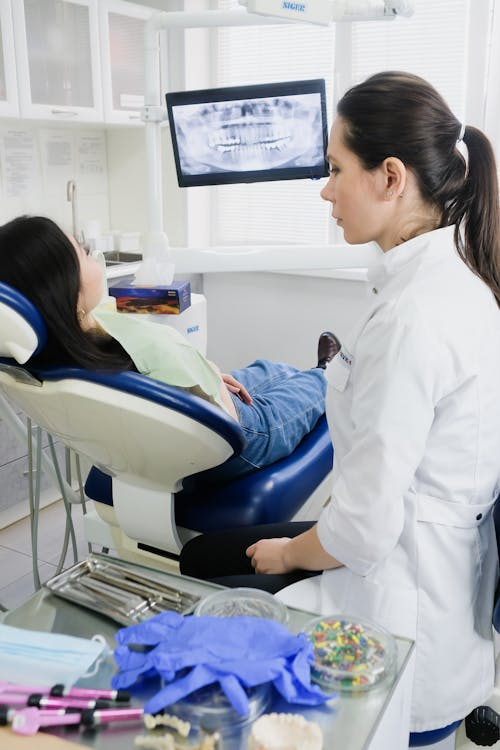
Walking into an ozone therapy appointment feels remarkably different from traditional dental procedures — there’s no whirring drill, no injection preparations, and no immediate discomfort. The session begins with your dentist conducting a visual examination of the treatment area, often using magnification to identify precisely which surfaces need ozone exposure. This assessment determines the delivery method and duration for your specific case.
For tooth decay treatment, your dentist positions a small silicone cup over the affected tooth, creating a sealed environment. The ozone generator — typically a compact unit about the size of a desktop printer — produces fresh ozone gas that flows through a thin tube into the sealed cup. You’ll hear a gentle humming sound from the machine, but the gas itself is odorless at therapeutic concentrations. The exposure typically lasts 20 to 120 seconds, depending on the cavity’s size and depth.
If you’re receiving treatment for gum disease, the approach shifts to direct application using specialized probes or irrigating tips. Your dentist guides these slender instruments along the gum line or into periodontal pockets, delivering ozone directly to infected areas. The sensation resembles a mild tingling or slight coolness — nothing like the pressure or vibration of traditional scaling procedures.
Throughout treatment, you remain fully conscious and comfortable. Many patients report feeling relaxed during the procedure, partly because ozone therapy sessions are typically shorter than conventional treatments and involve no cutting or drilling sensations. Ozone dental treatments often conclude with a brief fluoride application or remineralizing rinse to maximize the therapy’s benefits, leaving patients with a clean, refreshed feeling rather than the numbness or soreness associated with invasive procedures.
The entire appointment usually wraps up within 30 to 45 minutes, and you can return to normal activities immediately — no recovery period required.
What Are the Benefits of Ozone Dental Therapy Compared to Traditional Methods?
The most striking advantage of ozone therapy lies in its ability to treat early dental problems without permanent tooth structure removal. While traditional cavity treatment requires drilling away affected enamel and dentin — tissue that never regenerates — ozone can halt and reverse initial decay processes, preserving natural tooth structure. This conservation approach proves especially valuable for pediatric patients, whose developing teeth benefit from maintaining maximum structural integrity.
Patients consistently report significant comfort differences between ozone and conventional treatments. Traditional procedures often require local anesthesia injections, followed by drilling sensations that many find anxiety-provoking. Ozone therapy eliminates both injection discomfort and mechanical drilling, creating a treatment experience that even dentist-phobic patients typically tolerate well. The absence of heat, vibration, and pressure means sensitive teeth receive treatment without triggering pain responses.
From a clinical effectiveness standpoint, ozone provides broader antimicrobial coverage than chemical alternatives. Conventional antiseptic rinses and topical antibiotics target specific bacterial strains, potentially leaving resistant organisms to proliferate. Ozone’s oxidative mechanism affects all microorganisms regardless of their antibiotic resistance patterns, offering comprehensive sterilization that doesn’t contribute to resistance development — a growing concern in medical and dental treatment.
The healing acceleration that follows ozone treatment also distinguishes it from traditional approaches. While conventional scaling or root planing can leave gum tissues inflamed and tender for days, ozone therapy often reduces inflammation immediately by eliminating bacterial toxins and promoting oxygen-rich circulation. Patients frequently notice decreased bleeding and swelling within 24 hours, compared to the week-long recovery periods common with surgical periodontal treatments.
Cost considerations favor ozone therapy for patients catching dental problems early. Treating incipient caries with ozone costs significantly less than the filling, crown, or root canal procedures that become necessary once decay progresses. This preventive intervention can break the expensive cycle of increasingly complex treatments that characterize advanced dental disease.
How Safe Is Ozone Therapy According to Experts and Research?
Research published in the *Journal of Natural Science, Biology, and Medicine* demonstrates that dental ozone therapy shows excellent safety profiles when administered according to established protocols, with no significant adverse effects reported in clinical trials spanning over 15 years. The therapeutic concentrations used in dentistry — typically ranging from 10 to 80 micrograms per milliliter — fall well below levels that could harm human tissue, while remaining potently antimicrobial against oral pathogens.
Leading dental researchers, including those at the University of Michigan’s School of Dentistry, emphasize that ozone’s safety margin stems from its rapid conversion back to oxygen. Unlike chemical antimicrobials that can accumulate in tissues or cause allergic reactions, ozone breaks down within minutes of application, leaving only oxygen and water as byproducts. This natural decomposition eliminates concerns about long-term chemical exposure or systemic toxicity that accompany some traditional dental treatments.
Professional guidelines from organizations like the International Scientific Committee on Ozone Therapy establish strict parameters for safe ozone use in dental settings. These protocols specify maximum exposure times, concentration limits, and proper ventilation requirements that prevent practitioners and patients from inhaling significant amounts of ozone gas. Modern dental ozone units incorporate safety features like automatic shut-offs and sealed delivery systems that minimize environmental exposure.
The few contraindications that exist primarily affect patients with specific respiratory conditions or those taking certain medications that affect oxygen metabolism. Pregnant women and individuals with severe asthma typically receive alternative treatments as precautionary measures, though no direct evidence suggests ozone therapy poses risks to these populations when properly administered.
Recent meta-analyses examining thousands of ozone therapy cases report complication rates below 0.1%, with reported issues limited to temporary tissue irritation in patients who received excessive exposure times. This safety record compares favorably to traditional dental procedures, which carry risks of nerve damage, allergic reactions to anesthetics, and post-procedural infections.
What Future Trends and Research Are Shaping Ozone Therapy in Dentistry?
Emerging research focuses on combination therapies that pair ozone with other minimally invasive technologies like laser therapy and photodynamic treatment. Studies at dental schools across Europe suggest these integrated approaches could enhance ozone’s effectiveness against resistant bacterial biofilms while further reducing treatment times. Early clinical trials show promise for treating complex cases that currently require multiple appointments or surgical intervention.
Technological advancement in ozone delivery systems continues pushing toward more precise, automated treatment protocols. Next-generation ozone units under development incorporate real-time monitoring of bacterial reduction, allowing dentists to customize exposure duration based on actual antimicrobial progress rather than predetermined time intervals. These smart systems could optimize treatment outcomes while minimizing any unnecessary ozone exposure.
The integration of ozone therapy into preventive dental programs represents perhaps the most significant trend shaping its future adoption. Rather than treating existing disease, forward-thinking practices are exploring ozone’s role in routine cleanings and maintenance visits, potentially preventing cavities and gum disease before they require intervention. This shift toward true prevention could transform dental economics by reducing the need for expensive restorative procedures.
However, broader adoption faces challenges including insurance coverage limitations and the need for additional practitioner training. While clinical evidence supports ozone therapy’s effectiveness, many dental insurance plans still classify it as experimental, leaving patients to cover costs out-of-pocket. Professional education programs are expanding to address the training gap, but standardizing ozone therapy protocols across different dental specialties remains an ongoing process.
As dental practices increasingly emphasize biocompatible, minimally invasive care, ozone therapy’s growth trajectory appears strong. The technology offers a bridge between traditional dentistry’s intervention-focused model and emerging wellness-oriented approaches that prioritize tissue preservation and natural healing processes.