Step-by-Step Guide to Obtaining a Car Accident Police Report
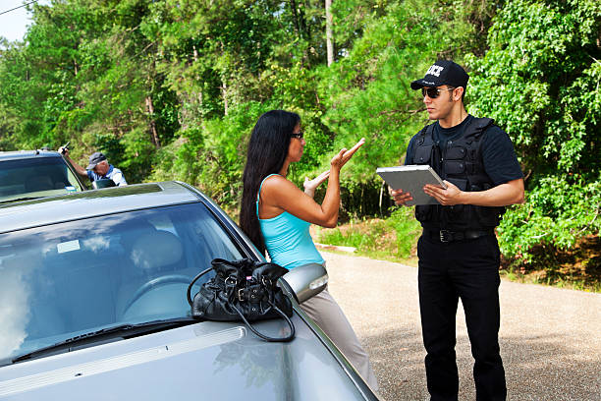
Obtaining a car accident police report is usually a straightforward process that involves identifying the responding law enforcement agency, requesting the report, paying any required fees, and reviewing the document for accuracy. A police report can be an important piece of evidence for insurance claims, legal cases, and accident investigations.
After a car accident, many people focus on vehicle repairs, medical treatment, and insurance matters. However, obtaining a copy of the police report should also be a priority because it contains important details about the incident. Many accident victims wonder, “How long does it take to get a police report after an incident?” especially when insurance companies request documentation shortly after a claim is filed.
Understanding the process can help you obtain the report quickly and avoid unnecessary delays.
Why a Police Report Is Important
A police report provides an official record of the accident and often includes valuable information such as the following:
- Date, time, and location of the crash
- Names of drivers and passengers
- Vehicle information
- Witness statements
- Officer observations
- Citations issued, if any
- Preliminary assessment of the accident
Insurance companies frequently review police reports when evaluating claims and determining liability.
Step 1: Identify the Responding Agency
The first step is determining which law enforcement agency responded to the accident.
This may include:
- City police departments
- County sheriff’s offices
- State highway patrol agencies
If you are unsure which agency handled the accident, review any paperwork provided at the scene or contact local law enforcement offices.
Knowing the correct agency will save time during the request process.
Step 2: Gather Necessary Information
Before requesting the report, collect as much information as possible about the accident.
Helpful details include:
- Accident date
- Accident location
- Report number
- Names of drivers involved
- Vehicle license plate numbers
- Name of the responding officer
Providing accurate information helps the agency locate the report more efficiently.
Step 3: Wait for the Report to Be Processed
Police reports are usually not available immediately after an accident.
The responding officer must complete the report and submit it for processing. Depending on the agency and the complexity of the accident, this process may take several days or longer.
Processing times can vary based on:
- Agency workload
- Severity of the accident
- Ongoing investigations
- Administrative procedures
If you need the report urgently, ask the agency about its estimated completion timeline.
Step 4: Submit a Request
Most law enforcement agencies offer several ways to request a police report.
Common options include:
- Online requests
- In-person requests
- Mail requests
- Telephone inquiries
Follow the agency’s instructions carefully and provide all requested information.
Some agencies may require proof that you were involved in the accident before releasing the report.
Step 5: Pay Any Required Fees
Many agencies charge a small fee for providing copies of accident reports.
Fees vary by jurisdiction and may depend on:
- The number of pages
- Delivery method
- Whether certified copies are requested
Be prepared to pay the required fee when submitting your request.
Step 6: Review the Report Carefully
Once you receive the report, review it thoroughly.
Check for:
- Correct names and addresses
- Accurate vehicle information
- Proper accident location
- Accurate descriptions of events
- Complete witness information
Mistakes occasionally occur, and identifying errors early may help prevent future complications.
Step 7: Request Corrections if Necessary
If you discover factual errors, contact the law enforcement agency as soon as possible.
You may be asked to provide:
- Supporting documents
- Photographs
- Witness statements
- Written explanations
While not all portions of a report can be changed, factual inaccuracies may sometimes be corrected or supplemented.
Keep a Copy for Your Records
After obtaining the report, keep copies in a safe location.
You may need the report for:
- Insurance claims
- Personal injury cases
- Vehicle damage disputes
- Future reference
Maintaining organized records can make the claims process much easier.
Key Takeaways
- A police report provides an official record of a car accident.
- Start by identifying the law enforcement agency that responded to the crash.
- Gather important details before submitting your request.
- Processing times vary depending on the agency and accident circumstances.
- Reports can usually be requested online, by mail, in person, or by phone.
- Review the report carefully for errors once you receive it.
- Keep copies of the report for insurance claims and legal matters.