Why Awareness Matters in Everyday Community Safety
Safety shapes how people live, work, and interact within their neighborhoods. Safe streets do not happen by chance, since they require a collective commitment from every resident. Walking down a sidewalk or driving to the local grocery store involves a shared reliance on mutual awareness.
When people pay attention to their surroundings, the risk of unexpected trouble drops. Small habits form the foundation of a secure environment where everyone can succeed. Protecting a community involves looking out for vulnerable individuals who share the pavement daily.

Image by Marla Pollitt from Pixabay
New Perspectives and Legal Guidance
When you are navigating local streets, drivers and pedestrians must have constant alertness. A sudden distraction can cause severe consequences, making it wise to consult a skilled car accident lawyer to understand your options following a collision. Legal guidance picks up the pieces when unexpected events disrupt daily routines. True protection stems from watching out for others at every single intersection.
Many drivers fail to realize how quickly conditions change on suburban roads. Children run after balls, and pets slip off leashes unexpectedly. Be mindful of these variables to prevent tragic outcomes before they occur. Slowing down in residential zones provides the reaction time needed to avoid unexpected hazards.
Recognizing Hidden Hazards In Daily Trafficking
Distracted driving represents a threat on modern roadways. The severe impact of phone usage and wandering eyes behind the wheel. Statistics indicate that 18 people suffer injuries every half hour in distracted driving collisions, with a fatality occurring roughly every 2.5 hours. The numbers highlight the immediate need for better focus on the road.
Many individuals believe they can safely multitask behind the wheel. Texting or adjusting navigation systems diverts cognitive focus away from immediate dangers. Safe drivers park their mobile devices far out of reach during trips.
The Monetary Cost Of Modern Road Overlooks
Serious crashes create heavy economic burdens that affect insurance rates, emergency services, and healthcare systems. The financial toll of 3,024 roadway fatalities during the first half of 2025 exceeded $40 billion. Investing time in defensive driving avoids these massive societal losses.
Public funds are changing toward repairing damaged infrastructure instead of improving local parks. Families face unexpected medical bills that drain long-term savings accounts. Local economies flourish when resources go toward progress. Reducing accidents keeps community budgets balanced and focused on positive growth.
Urban Challenges And Vulnerable Pedestrians
City environments present difficulties for individuals traveling on foot or on bicycles. High traffic density increases the likelihood of dangerous encounters at crosswalks. Vulnerable road users account for 70% of traffic fatalities within city boundaries. This staggering proportion demonstrates why city planning must prioritize sidewalk protection.
Narrow lanes and delivery trucks block lines of sight for turning vehicles. Pedestrians assume motorists see them, which leads to dangerous misunderstandings. Checking surroundings twice preserves safety in crowded metropolitan areas.
Actionable Methods For Increasing Walking Comfort
To improve community welfare, every person who steps outside needs direct action. Simple modifications in everyday habits build a shield against preventable incidents. Residents can practice several strategies to keep local pathways secure for everyone:
- Wear bright or reflective clothing when walking during evening hours
- Avoid looking at mobile devices when stepping off curbs
- Make direct eye contact with drivers before crossing front bumpers
Maintaining visibility gives motorists ample time to react to your presence. Shared responsibility creates a predictable environment where surprises rarely happen. Walking clubs teach these safety habits to younger children.
Strategic Decisions Following A Traffic Incident
Knowing how to respond after an accident minimizes confusion and protects personal rights. Clear thinking immediately following a crash delivers better outcomes for everyone involved. Drivers should move to a secure location and check for injuries right away.
Calling local authorities generates an official report detailing the exact sequence of events. Gathering contact information from witnesses preserves valuable perspectives for insurance evaluations. Seek immediate medical evaluation to confirm hidden injuries and receive proper treatment. Documenting the scene meticulously will clear up disputes later on.
Small Adjustments Delivering Large Protective Gains
Motorists possess the greatest power to reduce harm, as their vehicles can cause considerable damage. Slowing down near schools and parks is the primary defense against accidents. Clear sightlines identify children who might dart out from behind parked cars.
People riding bicycles must follow identical traffic laws as motorized vehicles. Stay inside designated lanes to keep travel patterns organized and safe. Wearing a fitted helmet provides a final line of defense against severe head trauma.
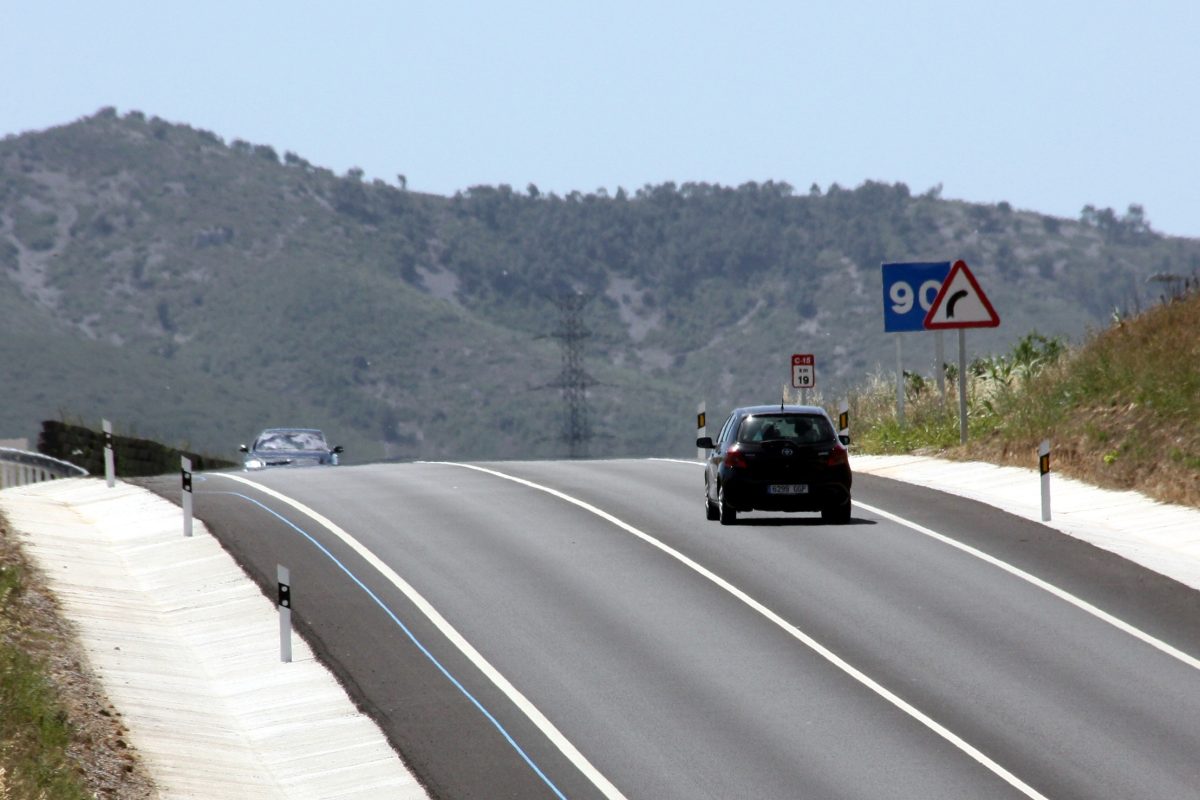
Image by javipolinario from Pixabay
Building a safer neighborhood is an ongoing journey that counts on every individual. Paying attention to small details saves lives and prevents catastrophic injuries on local pavement. Security flourishes when people actively look out for their neighbors during daily commutes. Every mindful choice contributes to a secure network of streets where families walk without fear.