How Are Rideshare Accidents Investigated Differently From Regular Car Crashes
Every accident tells a different kind of story, even when the damage looks similar on the surface. A crash involving two personal vehicles usually follows a clear path of review, but rideshare accidents do not stay that simple for long. Apps, driver status, insurance layers, and digital records all step into the picture and change how everything is examined. What seems like a regular collision quickly turns into a multi-layer investigation where timing and data matter as much as physical evidence.
This is where the role of a rideshare injury compensation lawyer often becomes part of the discussion, especially when people try to understand how fault and responsibility are actually determined. The process behind these investigations shows why rideshare crashes are handled in a very different way compared to ordinary road accidents.
The Basic Structure of a Regular Car Crash Investigation
A typical car accident investigation usually starts with a fairly simple setup. There are two drivers, two vehicles, and one location where the crash happened. The focus is mainly on understanding who made the mistake that led to the collision.
Investigators rely on familiar sources of information such as police reports, photographs from the scene, witness statements, and visible vehicle damage. Traffic rules and road conditions are also reviewed to understand how the crash occurred.
Because the number of parties is limited, responsibility is often easier to identify. One insurance company may represent each driver, and the case usually moves through a straightforward evaluation process. The goal is to match evidence with driving behavior and determine fault in a clear and direct way.
Why Rideshare Accidents Are More Complex From the Start
Rideshare accidents immediately introduce more layers of complexity. Unlike a regular crash, there is a third system involved, which is the rideshare platform itself. This includes companies like Uber or Lyft that connect drivers and passengers through digital apps.
The driver is not just operating a personal vehicle but working within a system that changes depending on app activity. Insurance coverage can shift based on whether the driver is waiting for a ride, heading to a pickup, or carrying a passenger.
This creates multiple possible points of responsibility. Instead of two insurance companies, there may be several policies that come into play. Each one depends on timing, app status, and company rules, which makes the investigation more detailed from the very beginning.
Key Differences in Evidence Collection
Digital App and Trip Data
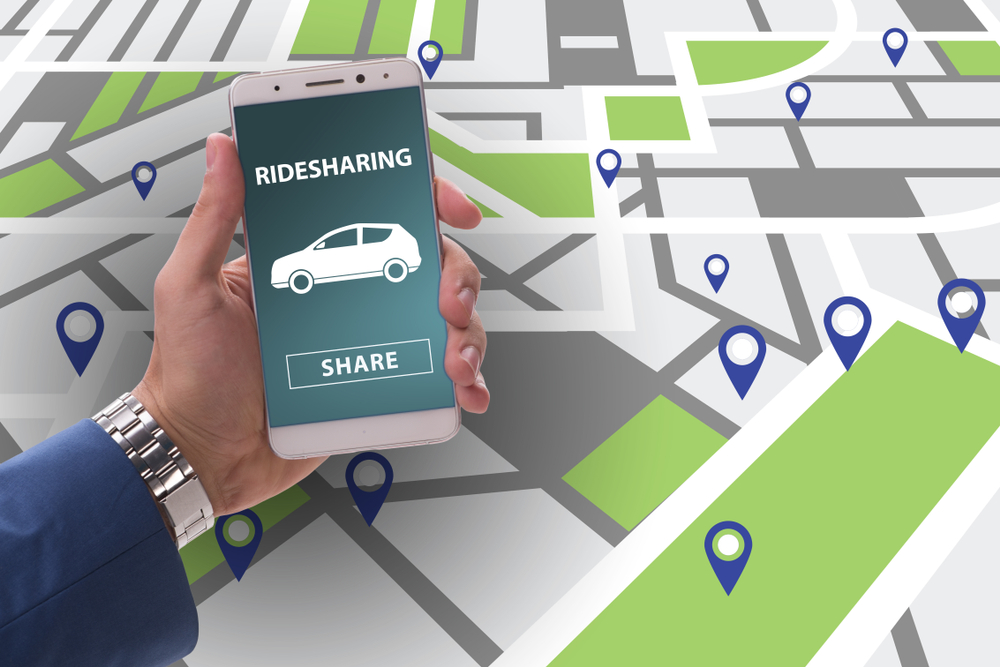
One of the biggest differences in rideshare investigations is the use of digital data. App records from the rideshare platform can show whether the driver was active, waiting for a request, or transporting a passenger at the time of the crash.
GPS tracking may also show the exact route and timing of the trip. This type of information does not exist in regular car accidents, making it a unique part of rideshare case analysis.
Traditional Crash Evidence Still Matters
Even though digital data plays a major role, traditional evidence is still important. Police reports, photographs of the scene, vehicle inspections, and witness accounts are still reviewed closely.
The difference is that in rideshare cases, this physical evidence must be combined with digital records to form a complete picture of what happened.
Determining Liability in Rideshare vs Regular Crashes
Regular Car Accidents
In a standard crash, liability usually comes down to one or two drivers. Investigators look at traffic violations, road behavior, and driving mistakes to assign responsibility.
Rideshare Accidents
Rideshare crashes involve more potential responsible parties. These may include the rideshare driver, another motorist, or even insurance coverage linked to the rideshare company.
Driver app status becomes a key factor. The level of coverage can change depending on whether the driver was logged into the app or actively transporting a passenger. This makes liability analysis more layered and time sensitive.
The Role of Insurance in Both Types of Cases
Standard Auto Insurance
In regular crashes, personal auto insurance policies usually handle claims. The process typically involves one or two insurers negotiating based on fault.
Rideshare Insurance Layers
Rideshare accidents involve multiple insurance stages. Coverage may differ depending on whether the app is off, the driver is waiting for a ride request, or a passenger is in the vehicle.
This layered system often leads to disputes between insurance providers. Each company may try to determine which policy applies, which can slow down the investigation and resolution process.
How Investigators Reconstruct the Sequence of Events
Rebuilding the timeline of events is important in both types of crashes, but rideshare cases require more detailed steps.
Investigators may need to establish:
- When the driver logged into the app.
- When a ride request was accepted.
- When the pickup occurred.
- When the crash happened during the trip.
In regular accidents, the timeline is usually simpler and based mainly on witness statements and police reports. In rideshare cases, digital logs play a major role in confirming each step.
Conclusion
Rideshare accidents are not just regular car crashes with extra details. They involve digital systems, changing insurance layers, and multiple possible sources of responsibility. Regular crashes rely mostly on physical evidence and straightforward fault analysis, while rideshare cases require deeper investigation into app data, timing, and platform involvement, often involving a rideshare injury compensation lawyer to help interpret these complexities.
This difference explains why rideshare crash investigations are more detailed and often more time-consuming. Understanding these layers helps clarify why cases involving rideshare vehicles follow a much more complex path compared to standard road accidents.