Dog Training in Columbus, OH: What It Costs
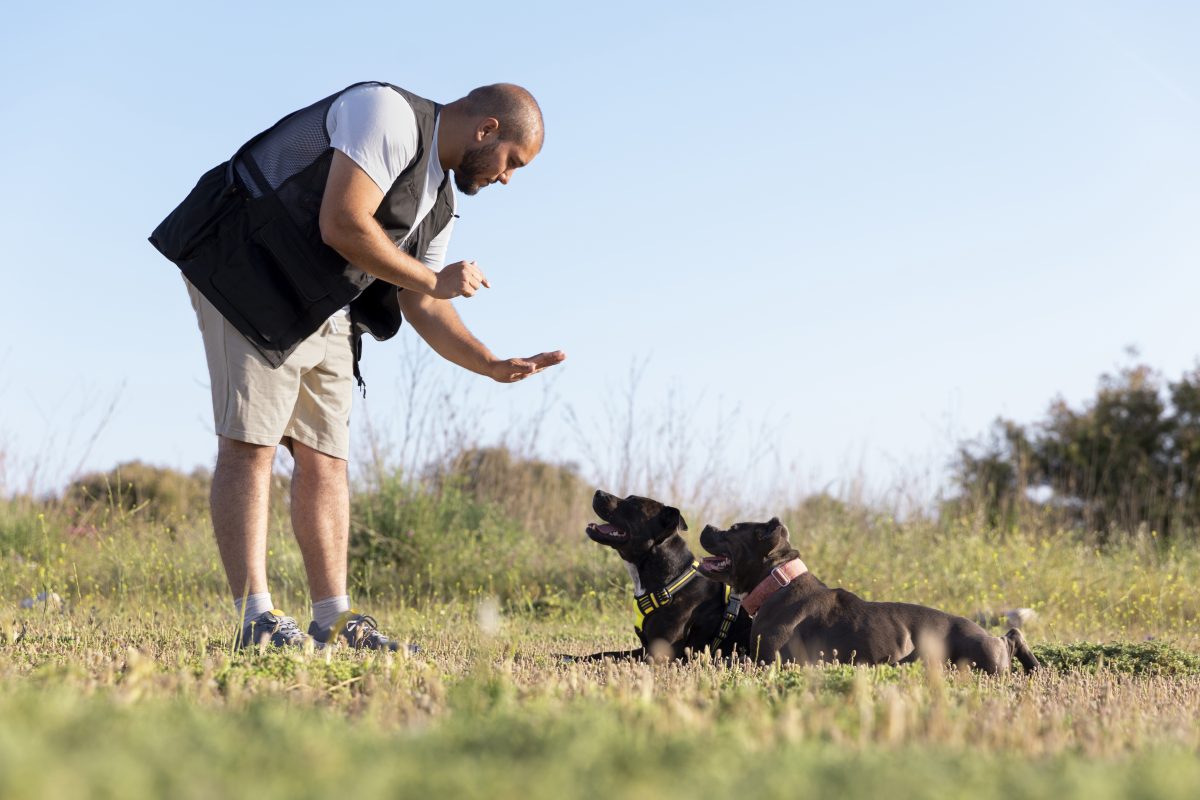
Dog training is one of the most valuable investments you can make in your pet’s long-term happiness, safety, and behavior. Whether you have a new puppy, a recently adopted rescue, or an adult dog with habits you want to improve, training can make daily life easier for everyone in the home. Many owners start searching for dog training in Columbus, Ohio, because they want help with basic obedience, leash manners, barking, jumping, reactivity, or confidence building. The cost can vary widely depending on the training format, the trainer’s experience, and the complexity of your dog’s needs. Understanding what affects pricing can help you choose the right program without overpaying or picking a service that does not fit your goals.
Why Dog Training Costs Vary
Dog training is not priced the same way everywhere because every dog, owner, and training goal is different. A puppy learning basic manners usually needs a different level of support than a dog with leash reactivity or separation anxiety. Group classes are usually more affordable because several dogs and owners participate at the same time. Private lessons cost more because the trainer focuses only on your dog, your household, and your specific challenges. Board-and-train programs are usually the most expensive because they include housing, daily handling, structured lessons, and trainer involvement over several days or weeks.
Location also affects pricing. In a larger market like Columbus, owners may find everything from budget-friendly group classes at large pet retailers to specialized behavior programs from independent trainers. Nationally, recent dog training cost guides list group classes around $30 to $80 per class and private lessons around $45 to $300 per hour, depending on the trainer and service type. Another 2026 pricing guide places private sessions more commonly around $75 to $200 per hour and board-and-train programs around $1,000 to $3,000 per week. These ranges are useful starting points, but Columbus pricing may differ by provider, package, and training goals.
Common Types of Dog Training
Before comparing prices, it helps to understand the main training options available. Not every dog needs the most expensive program, and not every low-cost option will be enough. The best choice depends on your dog’s age, temperament, behavior history, and your ability to practice at home. Training is most successful when owners stay involved and reinforce the lessons consistently. A good trainer should help you understand not only what your dog is learning, but also how to maintain those results.
Common dog training options include:
- Puppy classes for socialization, confidence, and beginner manners
- Basic obedience classes for sit, stay, come, leave it, and leash walking
- Intermediate classes for a stronger focus around distractions
- Private lessons for customized coaching
- Behavior modification for fear, anxiety, reactivity, or aggression concerns
- Board-and-train programs for intensive support
- Day training, where the trainer works with your dog during the day
- Virtual coaching for owners who want guidance from home
Each option has a different cost structure. Group classes are often sold as multi-week courses, while private lessons may be priced per session or package. Board-and-train programs are typically priced as full programs rather than individual lessons. Some trainers also offer follow-up lessons after a program ends. These follow-ups can be important because owner participation is what turns short-term progress into lasting behavior change.
What Group Dog Training Usually Costs
Group training is often the most affordable choice for basic obedience and puppy foundations. In these classes, owners attend with their dogs and learn skills alongside other participants. Large retailers often provide accessible pricing, with PetSmart showing package options such as multi-class training bundles and individual class programs through its training service pages. Petco also offers group and private dog training options, with pricing varying based on course type and length, and it lists a lower-cost introductory private lesson option for new training customers. These options can be helpful for owners who want structure without a high upfront investment.
Group classes are best for dogs that can focus around other dogs and people. They are not always ideal for dogs with severe reactivity, aggression, or overwhelming anxiety. If your dog barks nonstop, lunges, shuts down, or cannot take treats in a group setting, private coaching may be a better starting point. Group classes also require owners to practice between sessions. The class introduces the skills, but repetition at home is what makes them stick.
What Private Dog Training Usually Costs
Private lessons cost more because the trainer builds the session around your dog’s specific needs. This can be especially helpful if you are dealing with leash pulling, jumping, barking, recall problems, household manners, or behavior that is difficult to address in a group class. Private training also gives owners more time to ask questions and work through real-life situations. Some trainers come to your home, while others work from a training facility. In-home lessons may cost more because they include travel time and allow the trainer to see the dog’s behavior in its normal environment.
Private training is often priced by the hour or sold in packages. A single session may be useful for a specific issue, but most dogs need multiple sessions to make meaningful progress. Packages may reduce the per-session cost and give owners a clear training plan. When comparing trainers, ask what is included in the price. Some packages include written homework, text support, follow-up calls, or access to training videos.
What Board-and-Train Programs Usually Cost
Board-and-train programs are usually the highest-cost option because your dog stays with the trainer or at a training facility. During the program, the dog receives daily structure, repetition, and professional handling. This can be appealing for busy owners or for dogs that need a more intensive reset. Columbus-area providers often advertise board-and-train or immersive programs, and pricing can depend on program length, goals, and the dog’s behavioral needs. For example, some Columbus training providers publish package pricing or direct owners to program pages for obedience and board-and-train options.
Board-and-train can be useful, but owners should understand its limits. A dog may learn skills with the trainer, but those skills must transfer back to the home. That means the program should include owner lessons, handoff training, and clear follow-up instructions. Without that support, results may fade once the dog returns to its normal routine. The best programs train both the dog and the owner.
Factors That Influence the Final Price
The price of dog training depends on more than the session format. A simple manners class will usually cost less than behavior modification for fear, aggression, or reactivity. Trainers with advanced certifications, years of experience, or specialized behavior backgrounds may charge more. Programs that include ongoing support, customized plans, or home visits may also cost more. While price matters, the cheapest option is not always the best value if it does not solve the problem.
Factors that can affect cost include:
- Your dog’s age and behavior history
- Training goals and complexity
- Group, private, day training, or board-and-train format
- Number of sessions or program length
- Trainer experience and credentials
- In-home versus facility-based lessons
- Follow-up support and owner coaching
- Supplies such as treats, leashes, harnesses, or training tools
It is also important to ask about payment policies. Some programs require full payment upfront, while others allow deposits or installment options. Cancellation rules, missed classes, and refund policies can vary. Make sure you understand what happens if your dog is not a good fit for a class or if your schedule changes. Clear policies help prevent frustration later.
FAQ About Dog Training in Columbus, Ohio
How much does dog training usually cost?
Group classes are often the most affordable, while private lessons and board-and-train programs cost more. Expect pricing to vary based on the trainer, program length, and your dog’s needs.
Is group training enough for most dogs?
Group training works well for basic manners and social learning. Dogs with anxiety, reactivity, or aggression may need private support first.
How many training sessions will my dog need?
Some dogs improve after a few lessons, while others need several weeks or months of consistent practice. The timeline depends on the behavior and the owner follow-through.
Is board-and-train worth the money?
It can be worth it for intensive support, but only if the program includes owner coaching and follow-up. Dogs need consistency at home to keep their progress.
Can older dogs still be trained?
Yes. Older dogs can learn new behaviors, although long-standing habits may take more time and patience to change.
What should I ask before hiring a trainer?
Ask about methods, experience, certifications, pricing, program structure, follow-up support, and how they handle stress, fear, or reactivity.
How to Choose the Right Training Option
The best dog training option is the one that matches your dog’s needs, your budget, and your ability to practice consistently. Start by identifying your biggest goals. If you need help with puppy basics, a group class may be the right first step. If your dog struggles with fear, barking, leash reactivity, or household behavior, private training may provide better value. If you are considering board-and-train, look for a program that includes owner education and a clear transition plan.
When comparing dog training in Columbus, Ohio, do not choose based on price alone. Look for trainers who explain their methods clearly, communicate respectfully, and prioritize your dog’s emotional well-being. Ask whether they use reward-based techniques, how they measure progress, and what support is available between sessions. Read reviews, but also trust your own comfort level during the consultation. A good trainer should make both you and your dog feel supported.
Why Dog Training Is Worth the Investment
Dog training is worth it because it improves communication between you and your dog. It can make walks calmer, greetings more polite, household routines smoother, and public outings less stressful. Training also helps keep dogs safer by strengthening recall, impulse control, and leash manners. For puppies, it builds a foundation before bad habits become harder to change. For adult dogs, it can reduce frustration and help owners better understand what their pets need.
The cost of training should be viewed as an investment in your dog’s quality of life. A well-trained dog is easier to include in family activities, travel plans, neighborhood walks, and daily routines. Training can also reduce damage at home, improve confidence, and lower stress for everyone in the household. Whether you choose a group class, private coaching, or an intensive program, the real value comes from consistent practice and the right professional guidance. With the right fit, dog training in Columbus, Ohio, can help your dog become a calmer, safer, and more enjoyable companion.
Read more: The 5 Best CBD Calming Aids for Dogs with Separation Anxiety
Read more: The Real Responsibilities of Having a Pet
Read more: Reasons Why You Should Train Your Dog