How to Handle a Dental Emergency at Home with Effective Care Tips

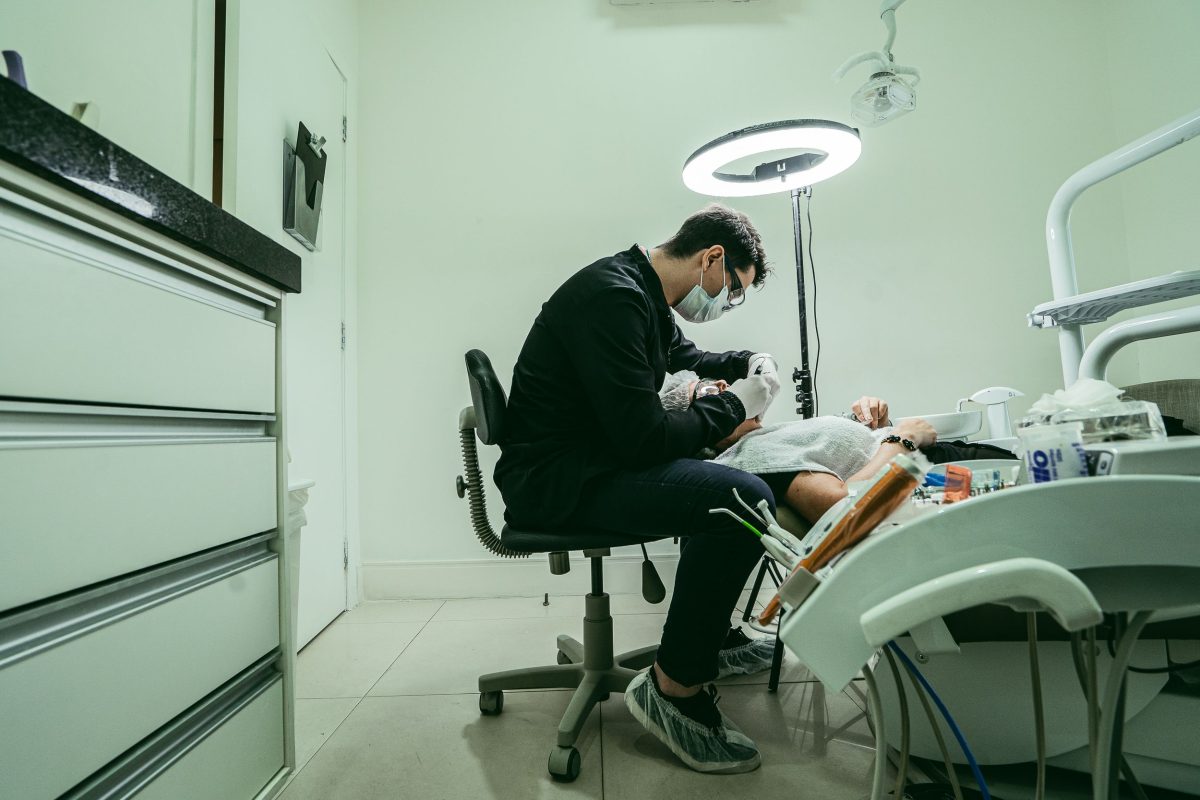
Photo by Centre for Ageing Better on Unsplash
According to the American Dental Association’s 2024 emergency care data, over 2 million Americans visit emergency rooms annually for dental problems that could have been managed more effectively with proper home care knowledge. Yet most people find themselves completely unprepared when a tooth cracks during dinner or severe pain strikes at midnight on a weekend. As emergency departments increasingly struggle with non-trauma cases and dental offices consolidate their after-hours availability, the gap between when dental emergencies happen and when professional care becomes accessible continues to widen.
For families navigating these situations, the difference between informed home management and panicked improvisation often determines whether a dental issue resolves smoothly or escalates into something far more serious and expensive. Understanding how to assess what’s happening, manage immediate symptoms safely, and make smart decisions about when to seek urgent care transforms a frightening experience into a manageable one. The reality is that most dental emergencies occur outside normal business hours, making your initial response at home the critical factor in protecting both immediate comfort and long-term oral health.
How to Recognize a Dental Emergency at Home
The challenge most people face isn’t identifying obvious trauma — it’s distinguishing between situations that need immediate professional attention versus those that can wait for regular office hours. Severe, throbbing pain that doesn’t respond to over-the-counter pain medication within an hour signals potential infection or nerve involvement requiring urgent care. This type of pain typically intensifies when lying down and may radiate to your ear or jaw.
Facial swelling, particularly when it spreads beyond the immediate tooth area or affects your ability to swallow, indicates a serious infection that could become life-threatening. Swelling that develops rapidly over a few hours, especially when accompanied by fever, demands immediate medical attention. Similarly, uncontrolled bleeding that soaks through gauze within minutes or continues for more than 20 minutes after applying direct pressure requires professional intervention.
Knocked-out permanent teeth represent true dental emergencies with a narrow window for successful reimplantation — ideally within 30 minutes, though teeth can sometimes be saved up to two hours after the incident. However, a chipped tooth without pain or a lost filling that causes mild discomfort can typically wait for regular dental hours with appropriate temporary management.
The key distinction lies in recognizing signs of active infection or trauma affecting vital structures. Difficulty swallowing, breathing problems, or high fever alongside dental pain indicates the infection may be spreading systemically. Sharp, shooting pain that occurs only when biting down usually suggests a crack or fracture but doesn’t require emergency intervention unless accompanied by swelling or severe spontaneous pain.
Temperature sensitivity that lingers for more than a few seconds after removing the hot or cold stimulus often indicates nerve involvement, though this rarely constitutes an emergency unless accompanied by constant, severe pain. Understanding these distinctions helps you avoid unnecessary emergency room visits while ensuring you don’t delay care when it’s truly needed.
What Immediate Steps Can Manage Dental Emergencies at Home
Building on your ability to assess the severity of a dental situation, proper immediate care can significantly reduce pain, prevent complications, and preserve your options for professional treatment. The goal isn’t to cure the problem at home but to stabilize the situation safely until you can reach appropriate professional care.
How to Control Pain and Bleeding Safely
Over-the-counter pain management works most effectively when you understand the timing and combinations. Ibuprofen provides superior anti-inflammatory action for dental pain compared to acetaminophen alone, but alternating the two every three hours — rather than taking them together — often provides more consistent relief without exceeding safe dosages for either medication.
Cold therapy requires specific technique to be effective without causing tissue damage. Apply ice packs wrapped in a thin cloth for 15 minutes on, 15 minutes off, focusing on the external facial area rather than directly inside the mouth. This reduces swelling and numbs pain while avoiding the tissue damage that can occur from prolonged direct ice contact.
For bleeding control, rinse gently with salt water (half teaspoon salt in warm water) to remove debris, then apply direct pressure using clean gauze or cloth. Avoid vigorous rinsing or spitting, which can dislodge clots and restart bleeding. If bleeding persists despite 20 minutes of steady pressure, you’re likely dealing with arterial bleeding or a larger vessel injury requiring professional attention.
Elevation helps reduce both bleeding and throbbing pain by minimizing blood flow to the affected area. Sleep with your head raised on extra pillows, as lying flat often intensifies dental pain and can prolong bleeding from extraction sites or trauma.
Temporary Care for Teeth Injuries and Lost Crowns
Knocked-out teeth require immediate, specific handling to preserve the possibility of reimplantation. Pick up the tooth by the crown only — never touch the root surface. If the tooth appears clean, try to reinsert it gently into the socket and hold it there by biting on clean gauze. If reinsertion isn’t possible or seems forced, store the tooth in milk, saliva, or a commercial tooth preservation solution while seeking immediate professional care.
Fractured teeth need protection from further damage and bacterial contamination. Cover sharp edges with dental wax, sugar-free gum, or even a small piece of gauze held in place gently. Avoid chewing on that side completely, and rinse with warm salt water after eating to prevent food debris from settling in the fracture.
Lost crowns or fillings create vulnerable areas that require temporary protection. Clean the crown gently and try to refit it using temporary dental cement available at most pharmacies — never use household glue or permanent adhesives. If the crown won’t fit properly, store it safely and protect the exposed tooth structure with temporary filling material or dental wax.
For severe chips or breaks that expose pink tissue inside the tooth, you’re seeing the nerve, which explains any sharp pain you’re experiencing. Cover this area immediately with temporary filling material and avoid extreme temperatures in food or drink. This situation requires professional attention within 24-48 hours to prevent infection or nerve death, though it’s rarely an immediate emergency unless accompanied by severe pain or swelling.
When Should You Seek Urgent Dental or Emergency Room Care
Recognizing when home management reaches its limits prevents both unnecessary delays and inappropriate use of emergency services. The decision often hinges on distinguishing between pain that can be managed temporarily versus symptoms indicating rapid progression or systemic involvement.
Critical Signs Indicating ER or Dentist Visit
Spreading facial swelling that crosses the midline of your face, extends below your jawline, or affects your ability to open your mouth normally indicates a serious infection requiring immediate medical attention. This type of swelling can progress rapidly to compromise your airway, making it a true medical emergency rather than just a dental issue.
High fever (over 101°F) accompanying dental pain suggests the infection has become systemic and may require intravenous antibiotics or surgical drainage. Emergency rooms can provide these life-saving interventions even though they can’t perform definitive dental treatment.
Difficulty swallowing or breathing associated with dental problems requires immediate emergency room evaluation, as these symptoms suggest the infection may be affecting deep neck spaces. Don’t attempt to drive yourself in this situation — call emergency services.
Trauma involving multiple teeth or injuries affecting the jaw, especially after accidents or sports injuries, often require imaging and evaluation that only emergency departments or oral surgery centers can provide immediately. Dental offices may lack the equipment to properly assess complex facial trauma.
For professional dental emergency services during regular hours, severe pain that doesn’t respond to maximum recommended doses of over-the-counter medications within two hours indicates you need intervention beyond what home care can provide.
Risks of Delayed Treatment for Dental Emergencies
Untreated dental infections can progress to life-threatening conditions within days or even hours in vulnerable individuals. The infection can spread through fascial planes in the neck, potentially causing Ludwig’s angina — a rapidly spreading cellulitis that can close the airway.
Delayed reimplantation of knocked-out teeth dramatically reduces success rates. After two hours outside the mouth, the likelihood of successful reattachment drops significantly, often making eventual tooth replacement the only option. What could have been a simple reimplantation procedure becomes a complex, expensive restoration process.
Nerve death in cracked or deeply damaged teeth occurs progressively when treatment is delayed. Once the nerve dies, root canal treatment becomes necessary even if the initial injury might have been treatable with a simple filling or crown. Dead teeth also become more brittle and prone to further fracture.
Secondary infections can develop when temporary measures fail or when debris accumulates in damaged areas over time. What begins as a manageable situation can evolve into an abscess requiring more extensive treatment, antibiotics, or even hospitalization.
How to Prevent Dental Emergencies and Prepare for Unexpected Issues
Understanding prevention strategies and advance preparation significantly reduces both the likelihood of dental emergencies and their impact when they do occur. The most effective approach combines daily protective habits with strategic preparation for unexpected situations.
Protective equipment during sports prevents the majority of dental trauma in active individuals. Custom-fitted mouthguards from your dentist provide superior protection compared to over-the-counter options, especially for contact sports or activities with projectile risks. Even recreational activities like skateboarding or cycling warrant consideration of mouth protection given the severity of potential injuries.
Dietary awareness plays a crucial role beyond basic sugar limitation. Avoid chewing ice, popcorn kernels, or hard candies that can fracture teeth. Be particularly cautious with sticky foods that can dislodge fillings or crowns, and consider the temperature extremes that can trigger pain in teeth with existing damage.
Regular dental maintenance catches developing problems before they become emergencies. Small cavities treated promptly don’t progress to infections requiring emergency care. Similarly, loose crowns or fillings identified during routine visits can be addressed before they fail completely at inconvenient times.
Emergency kit preparation ensures you’re ready when situations arise. Stock temporary filling material, dental wax, over-the-counter pain medications, sterile gauze, and a small container for storing knocked-out teeth. Include your dentist’s emergency contact information and know the location of the nearest emergency dental provider or hospital with oral surgery capabilities.
Professional relationship maintenance means establishing care with a dentist before you need emergency services. Dental offices prioritize existing patients for urgent appointments, and having current X-rays and treatment records available accelerates emergency care when minutes matter.
Emergency Dental Care Tips for Parents Handling Children’s Dental Issues
Children’s dental emergencies present unique challenges requiring modified approaches that account for their developmental stage, communication abilities, and different injury patterns compared to adults. Young children often sustain trauma to primary teeth during normal play, while teenagers face higher risks from sports and risk-taking behaviors.
Calming techniques become essential since frightened children can’t cooperate with necessary care measures. Speak calmly and confidently while explaining what you’re doing in simple terms. Children often respond better when they feel involved in their care rather than having procedures done to them without explanation.
Primary versus permanent tooth considerations require different response strategies. Knocked-out baby teeth should not be reimplanted as this can damage the developing permanent tooth underneath. However, chips or fractures in primary teeth still need professional evaluation to ensure the damage doesn’t extend to the nerve or affect the permanent tooth’s development.
Age-appropriate pain management must account for children’s smaller body weights and different medication tolerances. Always use pediatric dosing guidelines and avoid aspirin in children under 16 due to Reye’s syndrome risk. Ice packs may be better tolerated when disguised as a game or when the child helps hold them in place.
When to seek immediate pediatric dental care differs from adult guidelines because children’s symptoms may be less specific and their ability to communicate pain locations is limited. Any facial swelling in children warrants prompt evaluation, as their smaller airways can be compromised more quickly than adults’. Similarly, children who refuse to eat or drink normally after dental trauma need professional assessment even if the injury appears minor.
The key is maintaining calm authority while taking children’s complaints seriously, even when they can’t articulate exactly what’s wrong. Trust parental instincts — you know your child’s normal behavior patterns better than anyone else.
Final Thought
The most prepared parents and individuals aren’t those who never experience dental emergencies — they’re the ones who respond confidently because they understand the difference between urgent and manageable situations. Your ability to assess symptoms accurately, provide appropriate immediate care, and make informed decisions about professional intervention often determines whether a dental emergency becomes a minor inconvenience or a major complication affecting long-term oral health.