Florida Sunroom vs. Screen Room: Which Is Better?
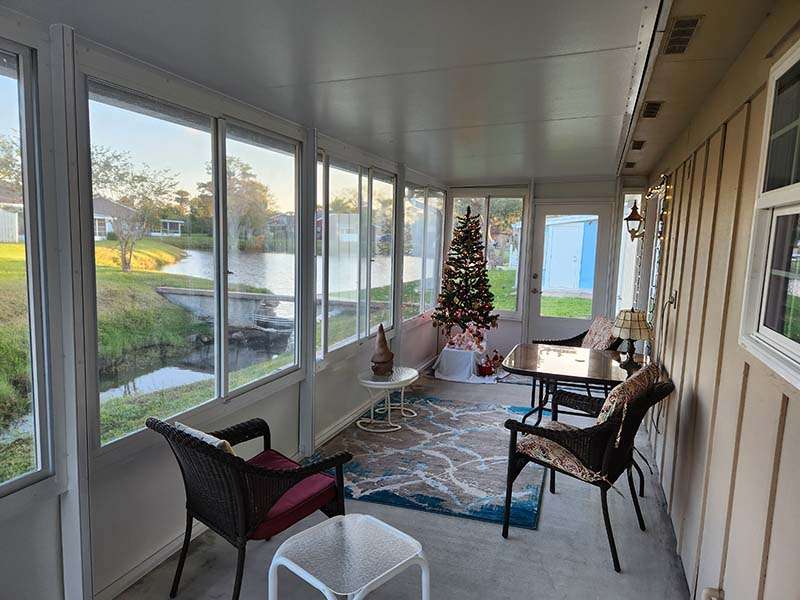
Florida homeowners love outdoor living, but the weather can make it hard to enjoy a patio year-round. Heat, humidity, mosquitoes, rain, pollen, and intense sun can quickly turn a relaxing space into an uncomfortable one. That is why many homeowners compare a Florida sunroom vs. a screen room when planning a home improvement project. Both options can add usable living space, improve comfort, and help you enjoy your backyard more often. The best choice depends on your budget, lifestyle, comfort goals, and how you want to use the space.
What Is a Florida Sunroom?
A sunroom is an enclosed room with windows, walls, and a roof that connects indoor comfort with outdoor views. In Florida, sunrooms are often built with large glass or acrylic windows to let in natural light while keeping out rain, bugs, and debris. Some sunrooms are designed as three-season spaces, while others are built with insulation, electrical work, and heating or cooling for year-round use. This makes them more like an interior room than a simple patio enclosure. Homeowners often use sunrooms for sitting areas, dining spaces, home offices, playrooms, plant rooms, or quiet reading nooks.
What Is a Screen Room?
A screen room is an outdoor enclosure made with screen panels, framing, and a roof or existing patio cover. It is designed to keep out insects, leaves, and debris while still allowing fresh air to flow through the space. Screen rooms are common in Florida because they make patios, lanais, and pool areas more comfortable without fully closing them in. Unlike sunrooms, screen rooms do not usually have glass windows, insulation, or climate control. They feel more open and breezy, which is one of the main reasons homeowners choose them.
Main Differences Between a Sunroom and a Screen Room
The biggest difference is how enclosed and climate-controlled the space is. A sunroom feels more like an indoor room with outdoor views, while a screen room feels more like a protected outdoor patio. Sunrooms offer better protection from rain, wind, pollen, temperature changes, and noise. Screen rooms offer more airflow, a lower cost, and a closer connection to the outdoors. When comparing a Florida sunroom vs. a screen room, homeowners should think about how much comfort, protection, and year-round use they want.
Benefits of a Florida Sunroom
A sunroom can add a bright, comfortable space that feels connected to the rest of the home. Because it is more enclosed, it gives homeowners better protection from Florida’s humidity, afternoon storms, and seasonal pollen. A properly designed sunroom can also be furnished more like an indoor room, which means you may be able to use upholstered furniture, rugs, electronics, and décor with fewer concerns. If the room is insulated and connected to heating and cooling, it can become one of the most versatile spaces in the house. Common benefits include:
- Better weather protection
- More privacy and noise reduction
- Year-round usability with climate control
- Stronger protection from pollen and debris
- More interior-style design options
- Potential home value appeal
Benefits of a Screen Room
A screen room is a practical choice for homeowners who want to enjoy fresh air without dealing with mosquitoes and bugs. It keeps the outdoor feel of a patio while making the space cleaner and more comfortable. Screen rooms are usually more affordable than sunrooms because they require fewer materials and less construction. They are also faster to install in many cases, especially when built over an existing patio or lanai. For homeowners who mainly want shade, airflow, and insect protection, a screen room can be an excellent value.
Cost Comparison
In most cases, a screen room costs less than a sunroom. A screen room usually requires framing, screen panels, doors, and possibly a roof structure, depending on the existing patio. A sunroom often requires windows, walls, insulation, electrical work, flooring, permits, and sometimes HVAC planning. Because of that, sunrooms typically have a higher upfront cost and a longer installation timeline. However, the higher cost may be worth it if you want a more finished space that feels like part of your home.
Comfort in Florida Weather
Florida weather should be one of the biggest factors in your decision. A screen room works well during mild mornings, breezy evenings, and cooler months, but it will still feel hot and humid during peak summer. It can protect you from bugs and debris, but it will not fully block heat, rain, pollen, or damp air. A sunroom gives you more control over comfort, especially if it has insulated windows, ceiling fans, and air conditioning. If you want to use the space during the hottest or rainiest parts of the year, a sunroom may be the better choice.
Maintenance Requirements
Screen rooms usually need basic maintenance, such as cleaning the screens, checking for tears, replacing worn spline, and rinsing the frame. Over time, screen panels may stretch, fade, or become damaged by pets, storms, branches, or pressure washing. Sunrooms may require window cleaning, seal inspections, roof maintenance, and occasional checks for leaks or moisture. Climate-controlled sunrooms may also involve electrical, fan, or HVAC maintenance. Both options are manageable, but screen rooms may need more frequent screen repairs, while sunrooms may require more detailed building maintenance.
Privacy, Security, and Noise
A sunroom usually offers more privacy than a screen room because it has solid walls, windows, and more enclosed construction. It can also reduce outside noise from neighbors, roads, lawn equipment, or pool equipment. A screen room provides some visual separation, especially with a privacy screen, but it does not block sound or views as effectively. Security is also different because a sunroom has more traditional doors and windows, while a screen room is easier to access if the screen is cut or damaged. If privacy and security are major concerns, a sunroom may have the advantage.
Which Option Adds More Value?
Both options can improve a home’s appeal, but they add value in different ways. A screen room adds functional outdoor living space at a lower cost, which can be attractive to buyers who want a comfortable patio or lanai. A sunroom may offer stronger resale appeal if it is well-built, permitted, and designed to match the home. The value depends on the quality of construction, local buyer preferences, and whether the room feels like a true extension of the house. In Florida, both features can be desirable because buyers often prioritize outdoor living.
FAQ About Florida Sunrooms and Screen Rooms
Is a sunroom better than a screen room in Florida? A sunroom is better if you want more weather protection, climate control, and year-round comfort. A screen room is better if you want fresh air, bug protection, and a lower-cost outdoor living upgrade.
Which is more affordable, a sunroom or a screen room? A screen room is usually more affordable because it uses fewer materials and does not require the same level of construction. A sunroom costs more because it may include windows, insulation, electrical work, and climate control.
Can a screen room be converted into a sunroom? In many cases, yes, but it depends on the existing frame, foundation, roof, and local building codes. A contractor can inspect the structure to determine whether conversion is practical.
Does a sunroom need air conditioning in Florida? Not always, but air conditioning can make a big difference during hot and humid months. Without cooling, a sunroom may become uncomfortable during peak summer afternoons.
Does a screen room keep out rain? A screen room may block some light rain if it has a roof, but wind-driven rain can still enter through the screens. It is not designed to be fully weatherproof.
Which option is easier to maintain? A screen room is simpler in design but may need screen repairs over time. A sunroom may need less screen repair, but it has windows, seals, and building components that require upkeep.
Final Verdict: Which One Is Better for Your Home?
The better choice depends on how you plan to use the space. If you want an affordable way to enjoy fresh air, shade, and bug protection, a screen room may be the best fit. If you want a more finished room that can be used in more weather conditions, a sunroom may be worth the higher investment. Homeowners comparing a Florida sunroom vs. a screen room should consider budget, comfort, maintenance, privacy, and year-round usability before deciding. For many Florida homes, the right choice is the one that turns an underused patio into a space you will enjoy every week.
Read more: How to Spot a Move-In Ready Home Before You Schedule a Tour
Read more: How Shutters Improve Privacy, Light Control, and Comfort in Modern Homes
Read more: Why Turning Your Basement Into A Gaming Room Is A Great Idea