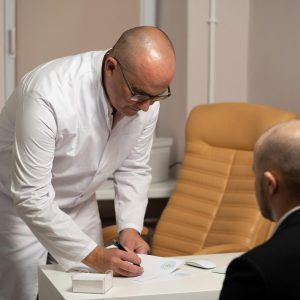
Doctor for Hair Loss: When to See the Right Specialist

You should see a doctor for hair loss if shedding becomes persistent, sudden, patchy, or emotionally distressing. Hair shedding can feel confusing because the cause is not always easy to see.
A dermatologist is usually the right medical expert to evaluate thinning hair, bald spots, scalp symptoms, or sudden shedding because hair grows from the skin, and scalp health affects the hair follicles.
What Doctor Should You See for Hair Loss?
A dermatologist is the first choice for most people. This doctor can check your scalp, review your history, and decide whether the problem is temporary, genetic, inflammatory, hormonal, or linked to another health issue.
What type of doctor should you see for hair loss? Start with a dermatologist if the change mainly affects your scalp. Start with a primary care doctor if shedding is accompanied by fatigue, fever, weight change, a recent illness, or a new medication.
What Type of Doctor Treats Hair Loss?
The type of hair loss determines the best next step. Some cases improve when the trigger ends. Others need long-term treatment to slow thinning, protect density, or support hair regrowth.
| Doctor option | Best reason to visit a specialist |
| Dermatologist | Scalp exam, diagnosis, medication, and treatment planning |
| Primary care doctor | General symptoms, medication review, or broader health screening |
Common causes of hair loss include genetics, stress, illness, hormonal changes, scalp inflammation, tight hairstyles, autoimmune disease, and nutritional deficiencies. A dermatologist can also identify patterns such as telogen effluvium, androgenetic alopecia, female pattern hair loss, and hereditary hair loss.
A specialist hair loss visit should focus on the cause, not just the symptom. A hair loss specialist, such as Dr. Ross Kopelman, can help patients understand how their diagnosis, pattern, timeline, and goals shape the right plan.
How Diagnosis Usually Works
A good appointment starts with questions. Your doctor may ask when shedding began, how quickly it changed, whether anyone in your family has thinning hair, and whether you recently experienced stress, surgery, pregnancy, weight loss, or another illness.
The exam may include:
- A close scalp check
- A gentle pull test
- A blood test for internal causes
- A scalp biopsy if inflammation, scarring, or infection is possible
Bring photos if the change happened slowly. Also, bring a list of medications, supplements, hair products, and recent health events. Small details can help your doctor connect shedding to medical conditions or lifestyle changes.
Treatment Options Your Doctor May Discuss
There is no single treatment for every case. The plan should match the cause, stage, and risk of continued shedding. Some people need to address a trigger. Others need medication, in-office procedures, or cosmetic support while waiting for results.
Your doctor may discuss:
- Lifestyle or hair-care changes to reduce breakage and traction
- Topical options such as minoxidil or Rogaine
- Oral options such as finasteride or Propecia
- Anti-inflammatory care for scalp disease
- Procedures, including injections, laser therapy, or hair transplant surgery
These options can help treat hair loss in some cases, but timing matters. Some treatments need several months before results become clear. Stopping treatment too early can make it harder to know whether it worked.
A clear diagnosis also helps you set expectations. Temporary shedding may improve after the trigger passes. Long-term thinning may need ongoing care. Scalp disease may need faster treatment to protect remaining density. The right path depends on the exam, your history, and how your hair has changed over time.
When to See a Doctor
You should schedule an appointment if shedding feels sudden, patchy, painful, itchy, or different from your usual pattern. You should also get checked if you see redness, scale, burning, bald spots, eyebrow loss, or shedding after a major health change.
Do not wait if the scalp looks irritated or smooth bald patches appear quickly. A fast evaluation can help prevent avoidable damage in some conditions. It can also reduce wasted time on products that do not match the real cause.
The right doctor will explain what is happening, what can improve, what may not fully reverse, and when to reassess progress. That gives you a plan, not guesswork.