When a Simple Fall Becomes Someone Else’s Responsibility
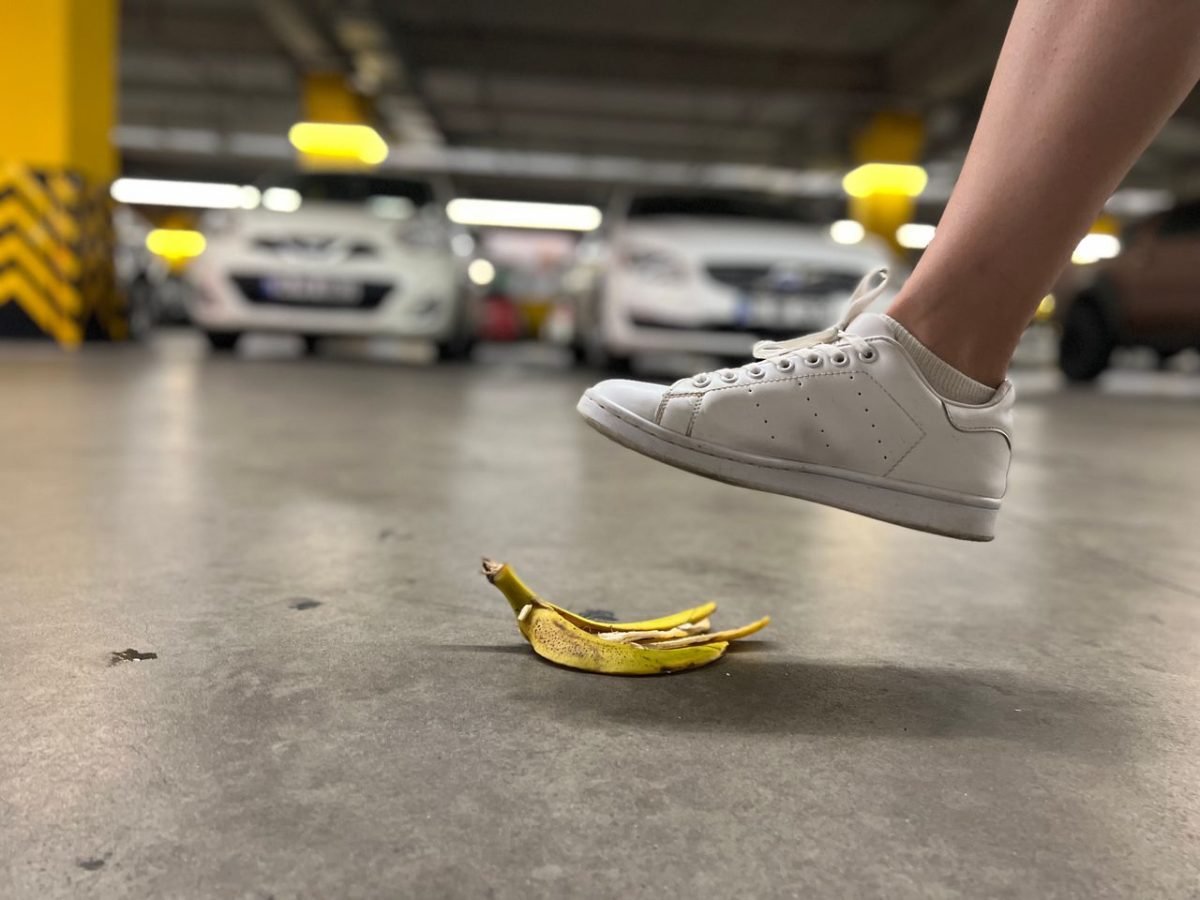
A slip or trip can happen almost anywhere, whether you’re shopping at a grocery store, eating at a restaurant, walking through an office building, or crossing a parking lot. While some falls are simply unavoidable accidents, others happen because a property wasn’t kept reasonably safe. Figuring out exactly what caused a fall isn’t always as straightforward as it seems.
Property owners have a responsibility to address hazards that could put visitors at risk, but not every fall automatically means someone else is at fault. Whether a business acted reasonably often depends on factors such as to how long the hazard existed, whether it should have been discovered, and what steps were taken to prevent injuries.
Knowing when a business may be responsible for a slip and fall can help put these situations into perspective. A careful review of the circumstances often reveals important details that aren’t immediately obvious.
Common Hazards That Lead to Falls
Many slip and fall accidents involve hazards that could make walking surfaces unexpectedly dangerous. Wet floors, uneven sidewalks, loose carpeting, broken steps, poor lighting, and debris left in walkways are all examples of conditions that may increase the risk of a fall.
Some hazards develop suddenly, such as a recently spilled drink, while others result from ongoing maintenance issues that worsen over time. Identifying how long a condition existed can become an important part of evaluating the incident.
Even hazards that appear minor may create significant risks under the right circumstances. Small changes in footing can quickly lead to serious injuries.
Property Owners Have Safety Responsibilities
Businesses and property owners generally have responsibilities to maintain reasonably safe premises for lawful visitors. Routine inspections, timely maintenance, and prompt attention to known hazards all help reduce the likelihood of preventable accidents.
When hazardous conditions are discovered, property owners may take steps such as cleaning spills, repairing damaged surfaces, placing warning signs, or restricting access until repairs are completed. These actions help protect visitors while reducing unnecessary risks.
The specific responsibilities involved depend on the circumstances surrounding each property. Reasonable maintenance remains an important part of promoting public safety.
Evidence Can Make a Difference
After a fall, preserving information about the scene can help explain what happened. Photographs of the hazard, the surrounding area, lighting conditions, and visible injuries may all become valuable if questions arise later.
Witnesses who observed the fall or noticed the hazardous condition beforehand may also provide helpful information. Incident reports completed shortly after the accident often document important details while events are still fresh.
Collecting information early helps create a clearer record of the circumstances. Thorough documentation supports a more accurate understanding of how the incident occurred.
Every Fall Is Different
Not every fall results from unsafe property conditions. In some situations, investigators determine that environmental conditions, personal actions, or other unrelated factors contributed to the accident instead.
Determining responsibility often requires evaluating how the hazard developed, whether the property owner knew or should have known about it, and whether reasonable steps were taken to address the situation. Small factual differences may significantly influence the overall analysis.
Because every incident is unique, assumptions can easily be misleading. A careful review of the available evidence provides the most reliable basis for evaluating responsibility.
Conclusion
A slip and fall may appear straightforward at first, but the circumstances surrounding the accident often require closer examination. Hazardous conditions, property maintenance, available evidence, and the specific facts of the incident all contribute to determining whether responsibility may exist.
Understanding how these factors work together helps explain why no two slip and fall cases are exactly alike. Careful investigation allows important details to emerge before conclusions are reached.
Whether a fall occurs in a business, parking lot, or another public location, evaluating the circumstances carefully is essential. Looking beyond the immediate accident often provides the clearest picture of what actually happened.