How Monthly Payments Work on a $50,000 RV
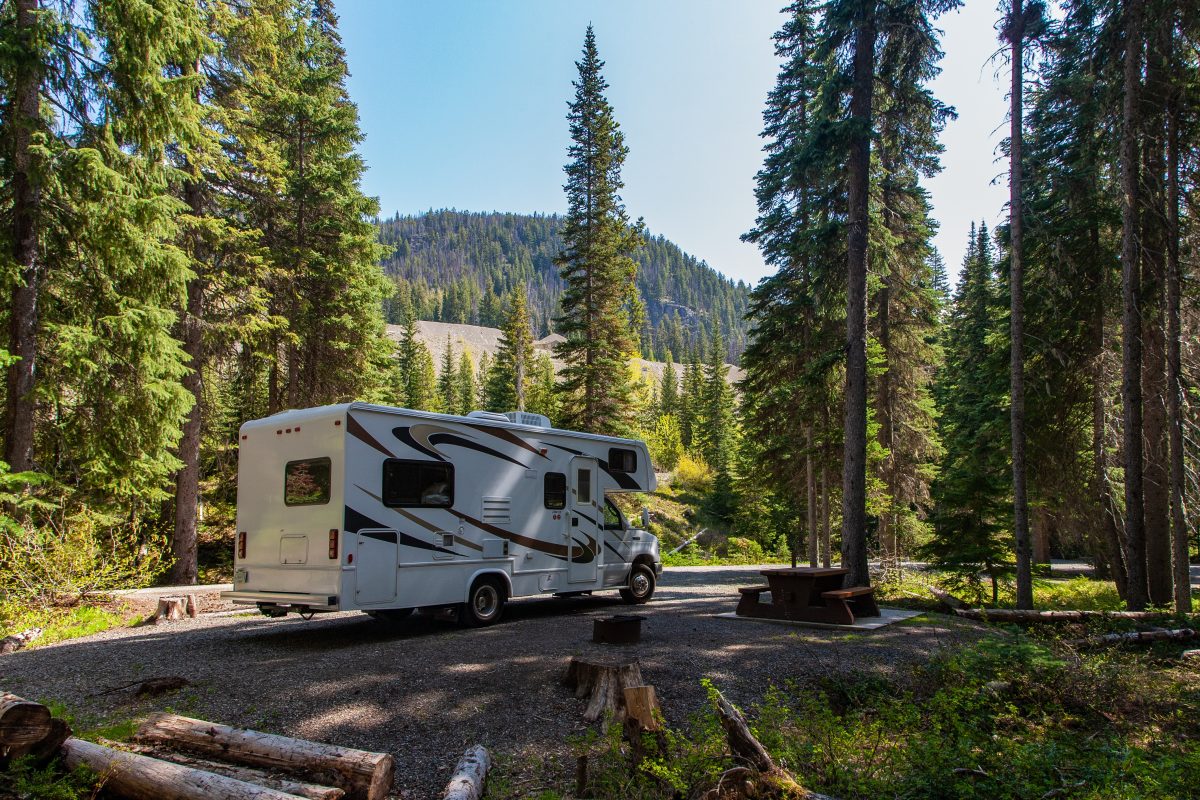
Buying a $50,000 recreational vehicle can make extended road trips and weekend travel more accessible, but the purchase price is only part of the financial picture. Most buyers use financing and repay the balance through fixed monthly payments over several years. The size of those payments depends on the amount borrowed, interest rate, loan term, down payment, taxes, and lender fees. Even small differences in the rate or repayment period can significantly change the total cost of the RV. Understanding these variables before applying for financing can help you choose a payment that fits your budget without stretching your finances too far.
What Determines the Monthly Payment on a $50,000 RV?
An RV loan payment is calculated using the principal balance, annual percentage rate, and repayment term. The principal is the amount you borrow after subtracting your down payment, trade-in value, or cash rebates from the total purchase cost. The annual percentage rate reflects the interest rate and may also account for certain lender fees. The loan term determines how many months you have to repay the balance. A lender combines these figures to calculate a monthly payment that remains consistent when the loan has a fixed interest rate.
The advertised price may not be the same as the amount you ultimately finance. Sales tax, registration fees, documentation charges, warranties, service plans, and optional accessories can increase the final balance. For example, a buyer who finances the full $50,000 price plus several thousand dollars in taxes and fees could end up borrowing more than the original purchase price. A down payment reduces the financed amount and may also help the borrower qualify for more favorable terms. Before using an RV loan calculator, estimate the complete purchase cost rather than entering only the sticker price.
Estimated Payments at Different Interest Rates
Interest rates have a major influence on the payment and the total amount repaid. A borrower with strong credit may qualify for a lower rate, while someone with fair or poor credit may receive a more expensive offer. The RV’s age, loan amount, income, debt obligations, and lender requirements can also affect the rate. Rates can vary considerably between banks, credit unions, online lenders, and dealership financing departments. Comparing several offers can reveal substantial differences even when the loan amount and term remain the same.
For illustration, a $50,000 RV loan with no down payment could produce approximate monthly payments such as:
- At 6% for 10 years, the payment would be about $555 per month.
- At 8% for 10 years, the payment would be about $607 per month.
- At 10% for 10 years, the payment would be about $661 per month.
- At 8% for 15 years, the payment would be about $478 per month.
- At 10% for 15 years, the payment would be about $537 per month.
- At 12% for 15 years, the payment would be about $600 per month.
These estimates show why buyers should consider more than the lowest monthly payment. Extending a loan from 10 years to 15 years can reduce the required payment, but it also means paying interest for five additional years. The longer term may make the RV appear more affordable from month to month while increasing the total borrowing cost. Actual payments may differ because lenders calculate interest and fees according to their own policies. Use these figures as general examples rather than guaranteed financing quotes.
Example Payments Over a 20-Year Term
Some lenders offer extended repayment periods of up to 20 years. This option can significantly reduce the monthly payment, but it also increases the total interest paid over time. Seeing how these payments compare can help illustrate the trade-off between affordability and long-term cost.
For a $50,000 RV loan with no down payment, approximate monthly payments over 20 years might look like:
- At 8% for 20 years, the payment would be about $418 per month.
- At 10% for 20 years, the payment would be about $482 per month.
- At 12% for 20 years, the payment would be about $551 per month.
Compared to shorter terms, these payments are noticeably lower. For example, an 8% loan drops from about $607 per month over 10 years to roughly $418 per month over 20 years. While this can make the RV more accessible from a monthly budgeting perspective, the borrower will pay interest for twice as long. Over two decades, the total interest paid can exceed the original loan amount, depending on the rate.
A 20-year term may be helpful for buyers who need to keep monthly expenses low, but it should be approached carefully. Consider how long you plan to keep the RV and whether you are comfortable carrying the loan for such an extended period.
How the Loan Term Changes Your Costs
A longer repayment term spreads the principal across more monthly installments. This generally produces a lower payment, which can make an expensive RV easier to fit into a household budget. However, a longer term usually increases the amount of interest paid over the life of the loan. It can also create a greater risk of owing more than the RV is worth because recreational vehicles often depreciate quickly. Borrowers should balance immediate payment affordability against long-term cost and financial flexibility.
A shorter term generally creates a higher payment but allows the balance to decline faster. The borrower pays interest for fewer months and may build equity in the RV sooner. This can be valuable if the owner plans to sell or trade the vehicle before the loan is fully repaid. A shorter term may also reduce the risk of carrying RV debt into retirement or another major financial transition. The best term is not necessarily the shortest available option, but it should be short enough to control interest without making the payment difficult to manage.
How a Down Payment Affects the Monthly Payment
A down payment directly reduces the amount that must be financed. If you put 10% down on a $50,000 RV, you would contribute $5,000 and borrow approximately $45,000 before taxes and fees. A 20% down payment would equal $10,000 and reduce the starting loan balance to about $40,000. Borrowing less generally lowers both the monthly payment and the total amount of interest charged. A larger down payment may also strengthen an application by reducing the lender’s financial risk.
Saving for a substantial down payment can provide several benefits:
- A lower principal balance
- A smaller monthly payment
- Less interest paid over the loan term
- Better approval odds in some cases
- A reduced chance of owing more than the RV is worth
- More flexibility when selling or refinancing later
A large down payment should not eliminate your emergency savings. RV ownership comes with costs that can arise soon after the purchase, including repairs, tires, maintenance, insurance deductibles, and storage expenses. Keeping some cash available can prevent an unexpected repair from being placed on a high-interest credit card. Buyers should also consider whether the down payment would earn a better return elsewhere or be needed for another financial goal. The right amount depends on your savings, income stability, credit profile, and comfort with the proposed monthly payment.
Using an RV Loan Calculator
An RV loan calculator can help you compare financing scenarios before visiting a dealership or submitting an application. You enter the estimated loan amount, interest rate, and term to calculate a projected monthly payment. Changing one variable at a time shows how a larger down payment, lower rate, or shorter term could affect the results. This makes it easier to establish a realistic price range before negotiating with a seller. It can also help you identify offers that appear affordable only because they use an unusually long repayment period.
For a more complete estimate, gather the following information before using the calculator:
- RV purchase price
- Expected down payment
- Trade-in value
- Estimated sales tax
- Registration and documentation fees
- Approximate interest rate
- Desired loan term
- Optional products added to the loan
Calculator results are estimates and may not include every expense. Some tools exclude taxes, lender origination fees, dealer charges, warranties, or insurance products unless you manually add them to the balance. Your actual rate will depend on the lender’s review of your credit and financial information. The final payment could also change if the loan includes a variable rate, although fixed-rate financing is more predictable. Review the lender’s official disclosure before signing because it will show the annual percentage rate, payment schedule, finance charge, and total amount repaid.
Additional Costs Beyond the Loan Payment
The monthly loan payment is only one part of the cost of owning a $50,000 RV. Insurance premiums vary according to the RV type, value, location, driving history, coverage limits, and intended use. Owners may also pay for maintenance, repairs, fuel, campground reservations, propane, cleaning, and roadside assistance. Storage can become a major expense when local rules or limited driveway space prevent the RV from being kept at home. Creating a full ownership budget can prevent these costs from becoming an unpleasant surprise.
Maintenance expenses can be unpredictable, especially with a used motorhome or travel trailer. Owners may need to replace tires, batteries, seals, brakes, appliances, plumbing components, or electrical equipment. Motorized RVs also require engine and drivetrain service, while towable units may require a properly equipped truck or SUV. Some buyers purchase extended service contracts, but those products increase either the upfront cost or the financed balance. Set aside a monthly maintenance reserve so routine service and unexpected repairs do not interfere with loan payments.
Frequently Asked Questions
What is the monthly payment on a $50,000 RV?
The payment depends on the interest rate, loan term, down payment, and fees. A $50,000 loan at 8% for 10 years would be approximately $607 per month. Extending the same loan to 15 years would reduce the estimated payment to about $478 per month but increase the total interest.
How much should I put down on a $50,000 RV?
Many buyers aim for a down payment of 10% to 20%, which would equal $5,000 to $10,000. A larger down payment lowers the financed balance and may improve the available terms. The ideal amount should leave enough savings for emergencies and ownership expenses.
Can I finance a $50,000 RV for 20 years?
Some lenders offer terms as long as 20 years for qualifying RVs and borrowers. The lower monthly payment may be appealing, but the total interest cost can be substantial. You may also remain upside down on the loan for an extended period.
What credit score is needed for a $50,000 RV loan?
Requirements vary by lender, but borrowers with good or excellent credit typically have access to more competitive rates. Applicants with lower scores may still qualify through certain lenders but could face higher interest rates or larger down payment requirements. Income and existing debt are also important approval factors.
Does an RV loan calculator include taxes and fees?
Some calculators allow users to enter taxes, fees, and trade-in values, while others calculate payments using only the loan amount. Review the calculator fields carefully and add estimated costs when possible. The lender’s final disclosure will provide the official payment information.
Can I pay off an RV loan early?
Many lenders allow early repayment, but some contracts may include prepayment penalties or specific payoff procedures. Review the loan agreement before signing and ask how extra payments are applied. Directing additional money toward principal can reduce interest and shorten the repayment period.
Choosing a Comfortable RV Payment
A $50,000 RV can produce a payment of several hundred dollars per month, depending on the financing structure. The lowest payment is not always the best option because longer terms and higher rates can dramatically increase the total repayment cost. Use an RV loan calculator to compare multiple down payments, loan terms, and interest rates before deciding how much to borrow. Include insurance, maintenance, storage, fuel, and travel costs when determining what your household can comfortably afford. A carefully planned loan can help you enjoy the RV without allowing the purchase to interfere with emergency savings, retirement contributions, or other essential financial goals.
Read more: How Remote Work Regulations Impact Mobile RV Living
Read more: Stop Paying for the Eyesore: Reclaiming Your Driveway and Liquidating Your RV
Read more: Detroit RV Owners: What to Do When Repairs Cost More Than It’s Worth