A Complete Guide to Smoking Pipes: Designs, Materials, Features, and Care
Smoking pipes have a long history and remain an interesting category of smoking accessories because of their distinctive designs, materials, and craftsmanship. Unlike many modern electronic devices, traditional pipes rely on relatively simple mechanical construction. A bowl holds the smoking material, while an internal airway carries smoke toward the mouthpiece.
Today, smoking pipes are available in many shapes and materials, ranging from traditional wooden designs to glass and metal alternatives. Understanding how these pipes are constructed can make it easier to recognize differences between models and identify features that influence durability, maintenance, portability, and overall usability. For anyone exploring this category, Carrycipher offers a useful reference point for discovering different types of smoking pipes and related accessories.

Image by fxquadro on Freepik
What Is a Smoking Pipe?
A smoking pipe is an accessory consisting primarily of a chamber or bowl connected to a stem and mouthpiece. The bowl is designed to hold the material being smoked, while the stem provides a passage through which smoke travels.
Although the concept sounds simple, pipe construction can vary considerably. Some pipes are made almost entirely by hand, while others are manufactured using modern production techniques.
The shape, dimensions, and material of a pipe can influence its appearance and practical characteristics. A compact glass pipe, for example, can have a very different structure from a traditionally carved wooden pipe.
Main Components of a Smoking Pipe
Most traditional pipes contain several basic components. Understanding these parts makes it easier to compare different designs.
The Bowl
The bowl is the section where the smoking material is placed. It is generally the widest part of the pipe and can vary considerably in depth and diameter.
Larger bowls may accommodate more material, while smaller bowls create a more compact overall design. Bowl shape can also influence how heat is distributed throughout the pipe.
The Stem
The stem connects the bowl to the mouthpiece. It contains an internal airway that allows smoke to travel from the bowl toward the user.
Stems may be straight or curved, depending on the design. Their length can also vary, with longer stems contributing to a different appearance and handling experience.
The Mouthpiece
The mouthpiece is the section placed between the user’s lips. It may be integrated into the stem or designed as a separate component.
Comfort, smooth construction, and durability are important considerations when examining a pipe’s mouthpiece.
The Airway
The airway is the internal passage through which smoke moves. Although it cannot always be seen from the outside, its construction is an important part of the pipe.
A poorly constructed or obstructed airway can affect airflow and make the accessory difficult to use or clean.
Common Materials Used in Smoking Pipes
Material selection is one of the most noticeable differences between smoking pipes. Manufacturers and craftspeople use different materials depending on the desired appearance, durability, heat resistance, and production method.
Briar Wood
Briar is traditionally associated with many classic smoking pipes. It is valued for its durability and natural appearance.
Because briar can withstand considerable heat when properly constructed and maintained, it has become a common material for traditional pipe designs.
Corn Cob
Corn cob pipes are lightweight and relatively simple. They are often recognized for their distinctive natural appearance and straightforward construction.
Their affordability also makes them a familiar option within traditional pipe categories.
Meerschaum
Meerschaum is a mineral material that has historically been used to create detailed smoking pipes. It can be carved into intricate shapes and is known for its distinctive appearance.
Decorative meerschaum pipes can sometimes resemble small sculptures because of the level of detail possible with the material.
Glass
Glass pipes are popular in modern accessory markets because glass is relatively easy to clean and can be formed into numerous shapes.
Clear glass also allows users to see parts of the internal pathway, making the material visually different from wood or metal.
Metal
Metal pipes are generally associated with durability and compact construction. Stainless steel, aluminum, and other metals can be used depending on the design.
Metal can withstand physical impact better than some fragile materials, although heat transfer characteristics vary between different metals.
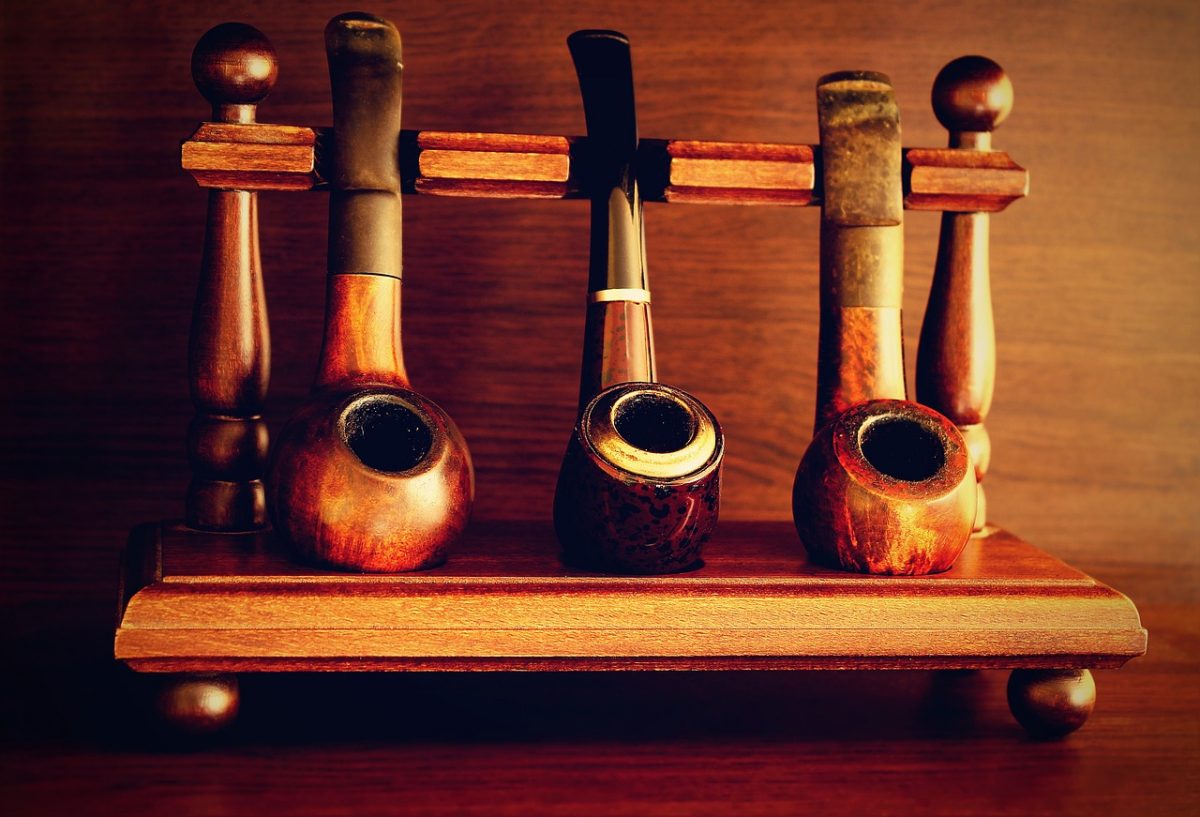
Different Styles of Smoking Pipes
Smoking pipes come in a wide range of shapes. Some designs are based on traditional forms, while others have modern minimalist profiles.
Straight Pipes
Straight pipes have a relatively direct connection between the bowl and mouthpiece. Their simple construction can make them visually clean and easy to identify.
These pipes are available in different lengths and bowl sizes, allowing considerable variation within the same basic design.
Curved Pipes
Curved pipes feature a bent stem or airway. The curvature can create a distinctive appearance and may also make the pipe more comfortable to hold for some users.
The degree of curvature varies from subtle bends to more pronounced shapes.
Compact Pipes
Small pipes prioritize portability and minimal construction. They are generally easier to store than larger designs and may use glass, metal, wood, or other materials.
Compact designs are often chosen by people who prefer smaller accessories rather than large decorative pieces.
Specialty and Artistic Pipes
Some pipes are designed primarily around craftsmanship and visual detail. These can include unusual shapes, carved patterns, artistic bowls, and custom components.
Such pieces may be valued as much for their craftsmanship and appearance as for their practical function.
Why Pipe Shape Matters
The shape of a pipe is not simply an aesthetic decision. Different dimensions can affect handling, balance, airflow, and maintenance.
A longer pipe may have a different balance compared with a compact design. A deeper bowl may also require different cleaning practices than a shallow bowl.
When comparing pipes, it can therefore be useful to look beyond appearance and examine how the overall structure has been designed.
Understanding Airflow
Airflow is an important characteristic of any smoking pipe. The airway connects the bowl to the mouthpiece, allowing smoke to move through the accessory.
The diameter and construction of the airway can influence how easily air travels through the pipe. If residue accumulates inside the passage, airflow may become restricted.
For this reason, regular inspection and cleaning can be important for maintaining the pipe’s condition.
Signs of Poor Airflow
Potential signs of restricted airflow include:
- Increased resistance while drawing.
- Visible buildup around the airway.
- Difficulty passing air through the stem.
- Unusual changes in the pipe’s performance.
- Moisture or residue accumulating inside the stem.
If a pipe becomes blocked, it should be cleaned according to the material and construction of the specific product.
How to Care for a Smoking Pipe
Proper maintenance can extend the usable life of many smoking pipes. However, cleaning methods should always be appropriate for the material.
Cleaning Wooden Pipes
Wooden pipes require careful handling because excessive moisture or aggressive cleaning can damage the material.
A suitable pipe-cleaning tool can be used to remove residue from accessible areas, while the airway can be cleaned carefully using appropriate materials.
Wooden pipes should also be allowed to dry properly rather than being stored while damp.
Cleaning Glass Pipes
Glass is generally easier to inspect because residue can be visible through transparent surfaces. However, glass can also break if handled carelessly.
Cleaning should be performed carefully, and the pipe should be inspected afterward for chips, cracks, or other damage.
Cleaning Metal Pipes
Metal pipes are usually more resistant to physical damage, but residue can still accumulate inside their passages.
The cleaning method should depend on the specific metal and the manufacturer’s recommendations. Harsh chemicals or unsuitable tools should be avoided if they could damage the finish.
Storage Is an Important Part of Pipe Care
Correct storage can help prevent unnecessary damage. Pipes should be kept in a clean, dry location away from excessive moisture and extreme temperatures.
Fragile glass pipes should receive additional protection against impacts. Wooden pipes should have adequate ventilation and should not be stored in conditions that encourage moisture buildup.
A dedicated case or protective container can also reduce the risk of scratches, cracks, and accidental damage.
Traditional Pipes and Modern Designs
The development of modern manufacturing has expanded the range of pipe designs available today. Traditional wooden pipes continue to be associated with craftsmanship and classic aesthetics, while modern glass and metal pipes often feature simpler or more experimental forms.
Modern production techniques also allow manufacturers to create highly consistent dimensions. At the same time, handmade pipes can have unique characteristics because each piece may differ slightly.
This creates an interesting balance between traditional craftsmanship and contemporary manufacturing.
Handmade vs. Manufactured Pipes
Handmade pipes often have distinctive visual characteristics. Small variations in shape, texture, or finish may reflect the process used to create them.
Manufactured pipes, in contrast, are generally produced according to standardized specifications. Their dimensions and appearance can therefore be more consistent.
Neither approach automatically determines quality. The materials, construction, finishing, and attention to detail are more useful factors when evaluating an individual product.
What to Check Before Buying a Pipe
Anyone examining a smoking pipe should consider several practical details.
Inspect the Construction
Look for visible cracks, weak joints, rough edges, or poorly finished surfaces. A well-constructed pipe should appear structurally sound.
Check the Airway
The airway should be appropriately aligned and free from obvious obstructions. Poor alignment can affect airflow and make maintenance more difficult.
Consider the Material
Different materials have different strengths and weaknesses. Think about durability, cleaning requirements, appearance, and how the accessory will be stored.
Evaluate the Size
Size affects portability, storage, and handling. A larger pipe may have a different balance and maintenance requirement compared with a compact model.
Health and Safety Considerations
Smoking involves health risks, and no smoking pipe should be considered a risk-free product. Burning tobacco or other materials can produce smoke containing harmful substances.
Nicotine can also cause dependence. People who do not currently use tobacco or nicotine should avoid beginning.
Anyone using smoking accessories should also pay attention to heat and fire hazards. Pipes should never be left unattended while hot, and combustible materials should be kept away from open flames and heated surfaces.
Responsible Maintenance and Handling
Good maintenance is not only about appearance. Cleaning and inspection can help users identify damaged components before they become larger problems.
A responsible maintenance routine may include:
- Inspecting the pipe before use.
- Cleaning residue regularly.
- Checking the stem and mouthpiece for damage.
- Storing the pipe in a suitable location.
- Allowing heated components to cool before handling.
- Replacing damaged accessories rather than continuing to use them.
Following these basic precautions can help reduce avoidable problems associated with handling smoking equipment.
The Lasting Appeal of Smoking Pipes
Smoking pipes continue to attract interest because they combine functionality with distinctive design and craftsmanship. Traditional wooden pipes can showcase natural materials and detailed shaping, while glass and metal models offer modern alternatives.
Their variety is one of the category’s defining characteristics. From simple compact designs to elaborate handcrafted pieces, there is considerable diversity in shape, construction, and material.
For anyone interested in smoking accessories, understanding these differences provides a better foundation for comparing products based on construction rather than appearance alone.
Conclusion
Smoking pipes are available in a remarkable variety of materials, shapes, and construction styles. From briar and meerschaum to glass and metal, each material brings different characteristics to the final design. Bowl size, stem shape, airway construction, durability, portability, and maintenance requirements are all useful factors to consider. Whether exploring traditional craftsmanship or modern designs, Carrycipher can serve as a useful reference when learning more about smoking pipes and related accessories.
FAQs
1. What are the main parts of a smoking pipe?
Most smoking pipes consist of a bowl, stem, airway, and mouthpiece. The bowl holds the smoking material, while the airway runs through the stem and allows smoke to travel toward the mouthpiece. Although designs vary, these basic components are common across many traditional and modern pipe styles.
2. Which materials are commonly used for smoking pipes?
Common smoking pipe materials include briar wood, corn cob, meerschaum, glass, and metal. Each has different characteristics related to durability, appearance, heat resistance, and cleaning. The ideal material depends on the specific design and the user’s preferences regarding maintenance, portability, and craftsmanship.
3. How should a smoking pipe be stored?
A smoking pipe should generally be stored in a clean, dry environment away from excessive moisture, heat, and physical impacts. Fragile glass pipes may benefit from protective cases, while wooden pipes should be stored where they can remain properly ventilated and dry.
4. Why is airflow important in a smoking pipe?
Airflow determines how effectively air and smoke can travel through the pipe’s internal passage. An obstructed or poorly constructed airway can create additional resistance and affect the pipe’s function. Regular inspection and appropriate cleaning can help prevent excessive buildup from restricting the airway.
5. Are smoking pipes safe to use?
Smoking pipes are not risk-free. Burning tobacco or other materials produces smoke containing substances that can be harmful to health, while nicotine can cause dependence. Pipes also involve heat and potential fire hazards. Users should understand these risks and follow appropriate safety practices when handling smoking accessories.