Why Timber Posts Remain the Gold Standard for Outdoor Structural Projects
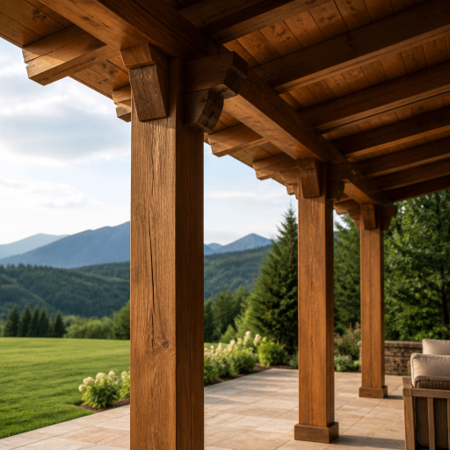
In an era saturated with synthetic alternatives and engineered composites, natural timber continues to hold its ground as one of the most trusted materials in residential and commercial construction. Whether you are building a deck, erecting a fence, framing a pergola, or reinforcing a structural foundation, the choice of post material can determine the longevity, safety, and aesthetic appeal of the entire project. Timber posts, in particular, offer a combination of strength, workability, and visual warmth that few other materials can replicate. Understanding why they remain so widely preferred — and how to choose the right type — is essential knowledge for any homeowner, contractor, or landscape designer.
The Enduring Appeal of Natural Wood in Structural Applications
Wood has been used as a primary building material for thousands of years, and for good reason. It is renewable, biodegradable, and possesses a natural tensile and compressive strength that makes it ideal for load-bearing applications. Unlike steel, which can corrode, or concrete, which can crack under freeze-thaw cycles, properly treated timber adapts remarkably well to environmental stress. Its cellular structure allows it to absorb and release moisture gradually, reducing the risk of sudden structural failure when conditions change.
Beyond raw performance, timber carries an aesthetic quality that synthetic materials struggle to match. The grain patterns, natural color variations, and tactile warmth of real wood create a visual character that enhances outdoor spaces rather than simply occupying them. This is particularly important in residential settings where curb appeal and cohesive design matter as much as structural integrity.
Choosing the Right Timber Species for Your Project
Not all timber is created equal. The species you select will have a direct impact on durability, resistance to rot and insects, ease of installation, and overall cost. Hardwoods such as white oak, black locust, and ipe are exceptionally dense and naturally resistant to decay, making them excellent choices for ground-contact applications. Softwoods like Douglas fir, Southern yellow pine, and cedar are more readily available and easier to work with, though they often require pressure treatment or surface sealing to perform well in exposed outdoor environments.
For deck-building specifically, the species selection process deserves careful consideration. a comprehensive guide to selecting the best timber species for deck construction can help homeowners and builders navigate the trade-offs between cost, appearance, and long-term performance. Understanding the Janka hardness rating, natural oil content, and dimensional stability of each species will lead to a far more informed purchasing decision.
Pressure Treatment and Its Role in Post Longevity
For posts that will be set directly into the ground or embedded in concrete footings, pressure treatment is not optional — it is essential. Modern pressure-treated lumber uses copper-based preservatives that penetrate deep into the wood fibers, creating a barrier against fungal decay and insect damage. The treatment rating matters significantly: posts intended for ground contact should carry a minimum retention level of 0.40 pounds per cubic foot, while posts used in freshwater or saltwater environments require even higher retention levels.
It is also worth noting that the cut ends of pressure-treated posts should always be sealed with an end-cut preservative solution after trimming. The treatment process does not fully penetrate the core of larger dimensional lumber, meaning fresh cuts expose untreated wood to moisture and biological attack. This simple step is frequently overlooked and is one of the most common causes of premature post failure.
Structural Considerations: Sizing, Spacing, and Load Calculations
Selecting the right species and treatment level is only part of the equation. The dimensional sizing of timber posts must align with the structural demands of the project. A 4×4 post may be perfectly adequate for a lightweight garden pergola, but a deck designed to support heavy furniture, a hot tub, or significant foot traffic will require 6×6 posts at minimum. Span tables and load calculators, available through most building departments and engineering resources, provide clear guidance on post sizing relative to beam spans and tributary load areas.
Post spacing is equally critical. Wider spacing between posts increases the span that beams must bridge, which in turn increases the bending stress on those beams. Tighter spacing reduces beam stress but increases material costs and installation complexity. Finding the right balance requires a clear understanding of the project’s intended use, local building codes, and the mechanical properties of the chosen lumber species.
Recognizing When Structural Elements Need Attention
Even the best-built outdoor structures require periodic inspection and maintenance. Timber posts are particularly vulnerable at their base, where ground moisture, standing water, and soil contact accelerate decay. Signs of trouble include soft or spongy wood at the post base, visible discoloration or fungal growth, cracking along the grain, and any noticeable lean or movement in the post itself. Addressing these issues early prevents minor deterioration from becoming a full structural failure.
The same vigilance applies to the broader structure. If you notice sagging deck boards, loose railings, or water infiltration around structural connections, these are warning signs that should not be ignored. Much like recognizing the early warning signs that your roofing system needs immediate repair, catching structural issues in their early stages is always far less costly than dealing with the consequences of deferred maintenance.
Tarriver: A Trusted Source for Quality Timber Posts
When sourcing materials for any structural outdoor project, the quality of the supplier matters as much as the quality of the product itself. Tarriver has built a reputation for providing reliable, well-graded timber products that meet the demands of both professional contractors and dedicated DIY builders. Their inventory is curated with attention to dimensional accuracy, treatment consistency, and species integrity — factors that directly influence how a finished structure performs over time. Whether you are working on a large-scale commercial installation or a backyard renovation, Tarriver’s commitment to product quality ensures that the materials you receive are ready to perform from day one.
Installation Best Practices That Extend Post Life
Proper installation technique is the final variable in the longevity equation. Posts should never be set directly on bare soil without a concrete footing or post base hardware. Concrete footings should extend below the frost line to prevent heaving during freeze-thaw cycles. Where post base hardware is used, it should be hot-dipped galvanized or stainless steel to resist corrosion in outdoor environments. Leaving a small air gap between the post base and the concrete surface further reduces moisture accumulation at the most vulnerable point of the post.
Applying a quality wood preservative or penetrating oil finish to exposed post surfaces adds another layer of protection against UV degradation and surface checking. This is especially important for posts in full sun exposure, where rapid moisture cycling can cause surface cracking that allows water to penetrate deeper into the wood.
Conclusion: Investing in the Right Foundation
The decision to use timber posts in an outdoor structural project is rarely one that builders regret — provided the right species, treatment, sizing, and installation practices are applied. Natural wood offers a combination of structural performance, design flexibility, and environmental responsibility that continues to make it the preferred choice for decks, fences, pergolas, and beyond. By sourcing quality materials, following sound engineering principles, and committing to regular maintenance, you can build outdoor structures that serve their purpose beautifully for decades. The foundation of any great project begins with the posts — and getting that choice right makes everything else possible.
For those ready to begin their next project, sourcing high-quality timber posts from a reputable supplier is the first and most important step toward building something that truly lasts.