What Happens When the At-Fault Driver Doesn’t Have Enough Insurance?
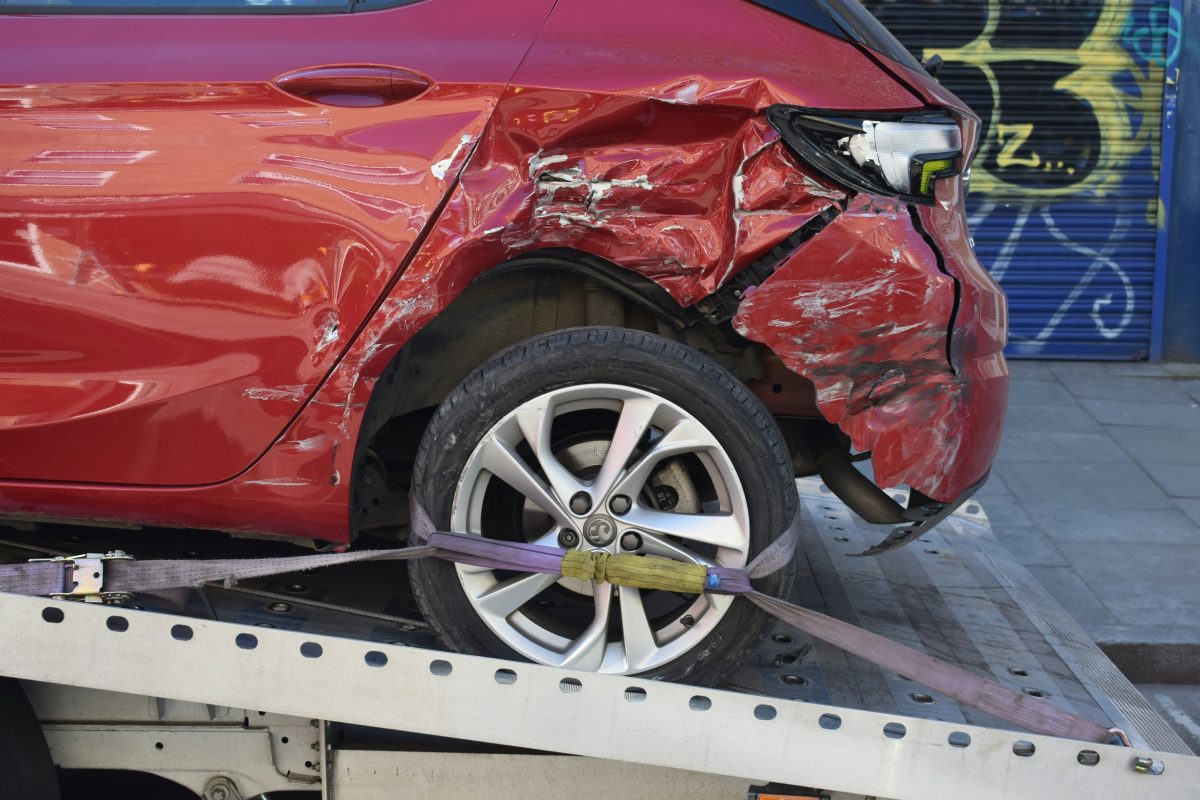
Photo by Usman Malik on Unsplash
A serious car accident can create expenses that extend far beyond vehicle repairs. Medical care, rehabilitation, lost income, and other costs can quickly add up. Normally, the insurance carried by the driver responsible for the accident may help cover eligible losses. However, complications can arise when that driver has insurance, but their policy limits are not high enough to address the full extent of the damages. Understanding underinsured motorist situations can help drivers better understand what may happen after an accident and why their own insurance coverage can become important.
Understanding Insurance Policy Limits
Auto insurance policies generally have coverage limits that establish the maximum amount an insurer may pay for a covered claim. These limits vary depending on the policy and type of coverage purchased. When an accident causes substantial injuries or property damage, the available insurance may be exhausted before all eligible expenses are covered. This can be particularly significant after collisions that result in hospitalization, ongoing medical treatment, extensive vehicle damage, or lengthy periods away from work.
When the Other Driver’s Coverage Falls Short
A driver can be insured and still lack enough coverage for a serious accident. For example, the total financial impact of a collision could exceed the responsible driver’s applicable policy limits. Once those limits are reached, additional sources of coverage may become relevant depending on the circumstances. The specific options available can vary based on the insurance policies involved, applicable requirements, and the details surrounding the collision.
How Underinsured Motorist Coverage May Help
Underinsured motorist coverage is designed for situations where another driver’s available liability insurance is insufficient to cover qualifying losses. Depending on the policy and circumstances, this coverage may provide an additional source of compensation. Coverage terms, exclusions, deductibles, and limits can vary considerably, making it important to review the policy’s specific language rather than assuming every accident will be handled the same way.
Why Reviewing Your Own Insurance Matters
Many drivers focus primarily on liability coverage when choosing an auto insurance policy, but protection involving uninsured or underinsured motorists can also be important. Reviewing coverage limits before an accident occurs can provide a clearer understanding of what protection is available. Drivers may want to periodically examine their policies, particularly after purchasing a new vehicle or experiencing other significant changes that could affect their insurance needs.
When the at-fault driver does not have enough insurance, recovering from an accident can become more complicated, especially when medical expenses, vehicle damage, and lost income exceed the available policy limits. Understanding your own coverage, including underinsured motorist protection, can help clarify what additional resources may be available. When questions arise about insurance coverage or the options available after a collision, you may contact Dixie Law Group for guidance on understanding the next steps and the factors that could affect your situation. Since every accident involves different circumstances, insurance policies, and coverage limits, taking the time to understand the details can make it easier to navigate the process and make informed decisions following an accident.