Why Physical Music Is Finding A New Audience In The Streaming Age
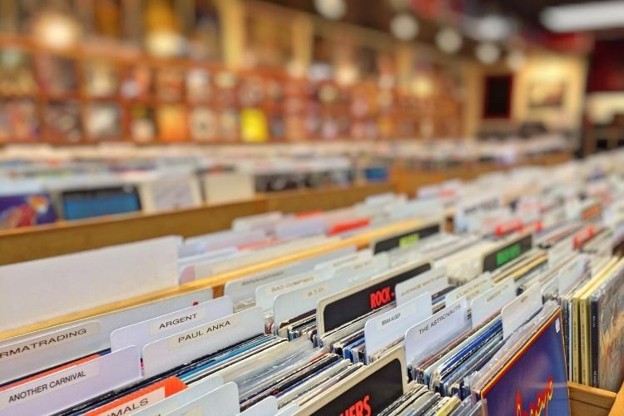
Streaming has transformed the way people discover and listen to music. With millions of songs available almost instantly, listeners can move between artists, albums, and genres without owning a single physical recording.
Yet physical music has refused to disappear. Vinyl records, CDs, and even cassette tapes are attracting listeners who want something more tangible, personal, and intentional from their relationship with music.
Music Listening Is Becoming More Intentional
One of streaming’s biggest advantages is convenience, but that convenience can sometimes encourage passive listening. A playlist might run in the background for hours without the listener paying much attention to individual albums or artists.
Physical formats create a different experience because they require more involvement. Choosing a record, placing it on a turntable, or selecting a CD encourages people to make a deliberate decision about what they want to hear.
That small amount of effort can make listening feel like an activity rather than background entertainment. For people who spend much of their day moving quickly between digital platforms, that slower experience can be refreshing.
Younger Listeners Are Discovering Older Formats
Physical music is no longer something only people who grew up buying records or CDs enjoy. Younger listeners are discovering formats that were popular long before streaming became the dominant way to access music.
Social media has helped introduce younger audiences to record collections, turntables, vintage audio equipment, and physical album artwork. A collection can reflect musical taste and serve as an interesting feature in a bedroom, apartment, or shared living space.
Discovery also plays a role. Finding an older pressing, an unusual edition, or an album from an unfamiliar artist can encourage listeners to explore music outside the recommendations provided by digital platforms.
Collecting Adds Another Dimension To Music
Music collecting turns listening into a hobby that can continue developing over many years. Some people focus on favorite artists, while others collect particular genres, limited editions, colored vinyl, CDs, cassettes, or releases connected to a specific era.
Online stores have made it easier to explore physical releases without relying entirely on local availability. Collectors can browse retailers such as Evergreen Vinyl when looking for records, CDs, tapes, turntables, and other music-related collectibles.
The appeal often goes beyond simply owning an album. Searching for a particular release, learning about different editions, and gradually organizing a collection can become an enjoyable part of the overall music experience.
Album Artwork Matters Again
Streaming platforms usually display album covers as relatively small images on a phone, tablet, or computer screen. Physical releases make artwork a much more noticeable part of the experience.
Vinyl is particularly well suited to this because of its larger format. Cover photography, illustrations, typography, liner notes, and packaging details can all be appreciated in ways that are difficult to reproduce on a small screen.
CDs and cassettes also offer something tangible to explore. Booklets, inserts, lyrics, credits, and distinctive packaging can provide additional context about the music and the people involved in creating it.
Physical Music Creates A Sense Of Ownership
Streaming provides access to enormous music libraries, but access and ownership are different experiences. A physical album belongs to the listener and can remain on a shelf regardless of changes to subscriptions, platforms, or online catalogs.
That sense of ownership can create a stronger emotional connection to certain releases. A record bought during a memorable vacation or a CD received as a gift may become tied to a particular period in someone’s life.
Over time, a music collection can function almost like a personal archive. Looking through it may bring back memories of concerts, friendships, road trips, family gatherings, and different stages of life.
Nostalgia Is Only Part Of The Story
Nostalgia certainly contributes to renewed interest in older formats, especially among listeners who remember visiting record stores or building CD collections. However, nostalgia alone does not explain why people who never experienced those eras firsthand are also interested.
For younger listeners, physical music can feel new precisely because it differs from their usual digital experiences. Handling a record, reading liner notes, and using a turntable can offer novelty in a world where entertainment is increasingly accessed through the same handful of screens.
This creates an interesting reversal. Technology that once seemed outdated can become appealing again because it provides an alternative to the speed and convenience of modern digital life.
Record Stores Can Create Community
Physical music also has a social dimension that streaming cannot completely replicate. Record stores, fairs, markets, and collector events give music fans opportunities to talk about artists, compare discoveries, and exchange recommendations.
Even casual conversations about a record can introduce someone to an unfamiliar genre or musician. These interactions can make music discovery feel more personal than following an automatically generated recommendation.
Collections can also become conversation starters at home. Friends and family members may browse shelves, recognize favorite albums, or suggest something they think others should hear.
Physical And Digital Music Can Coexist
The renewed popularity of physical formats does not necessarily mean listeners are abandoning streaming. In many cases, people use both approaches because each serves a different purpose.
Streaming helps listeners discover new artists, listen while traveling, and quickly access an enormous range of music. Physical formats can then provide a more focused experience for albums that listeners particularly enjoy.
Someone might discover an artist through a streaming playlist before purchasing a favorite album on vinyl or CD. Instead of competing directly, digital discovery and physical collecting can complement each other.
Collecting Encourages Deeper Musical Exploration
Building a collection can encourage listeners to explore music more carefully. Once someone becomes interested in a particular artist, they may start researching earlier albums, collaborations, influences, and related genres.
Physical releases can also encourage complete-album listening. Instead of jumping immediately between individual songs, listeners may become more familiar with track sequencing and the way an album develops from beginning to end.
This can be especially rewarding with records designed as cohesive works. Hearing songs in their intended order can reveal connections that are easy to overlook when tracks are separated into playlists.
A Different Kind Of Music Experience
The streaming age has made music more accessible than ever, and that convenience is unlikely to disappear. At the same time, continued interest in records, CDs, and tapes shows that convenience isn’t the only thing listeners value.
Physical music offers ownership, artwork, collecting, discovery, and a reason to listen more intentionally. It can transform music from something that simply plays in the background into an experience that receives dedicated attention.
As digital entertainment becomes increasingly effortless, physical formats provide an appealing contrast. Their growing audience suggests that many listeners still appreciate slowing down, choosing an album, and giving the music their full attention.