Why Seasonal Weather Makes Tire Checks Essential
Tires face different demands throughout the year. Summer heat can raise tire pressure during a drive. Winter cold can lower it. Rain reduces available grip, while snow can hide hazards. Because these changes affect how tires respond, seasonal checks are an essential part of vehicle care.
A tire may look acceptable yet perform differently when the temperature shifts. Rubber responds to heat and cold, and air pressure changes. Regular inspections help drivers notice those changes before they influence handling or braking. The goal is not to predict every weather event. It is to keep the tires prepared for the conditions that are ahead. A seasonal check gives drivers a baseline. Later changes are easier to recognize because pressure and tread condition were recorded when the weather began to shift.
Temperature Affects Tire Pressure
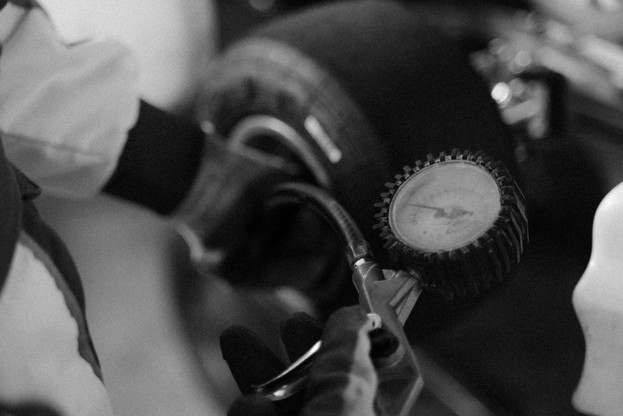
Air contracts when temperatures fall and expands when they rise. A properly inflated tire may become underinflated after a cold snap. Drivers should not depend on a warning light alone. Checking pressure with a reliable gauge allows each tire to be adjusted according to the vehicle manufacturer’s recommendation.
Tire brands like Firestone design products for different driving and weather, yet every tire needs correct inflation to perform as intended. Underinflation can make the sidewall flex excessively. That extra movement creates heat and may cause uneven wear. Overinflation can reduce the tire’s ability to absorb road imperfections. Seasonal pressure checks help preserve the balance built into the tire.
Tread Matters When Roads Become Wet
Rain changes the relationship between the tire and the road. Tread grooves move water away so the rubber can maintain grip. As tread wears, less space is available for water to escape. The tire may still feel normal when dry but become less dependable during a sudden downpour.
Tread depth should be examined before the rainy season. Drivers should also look for uneven wear. One edge wearing faster than the other can indicate an alignment issue. Wear concentrated in the center or shoulders may suggest that inflation has been incorrect. Early attention can improve safety and extend tread life.
Cold Weather Changes Rubber Performance
Low temperatures can make some rubber compounds firmer. When rubber loses flexibility, it may not follow the road surface as closely. Winter tires address this issue with compounds designed to remain pliable in colder conditions. Their tread patterns also create additional edges that support traction on snow-covered roads.
Not every driver needs dedicated winter tires, but every driver should understand the limits of the tires currently installed. All-season tires may be appropriate in moderate climates. They may not provide the same cold-weather performance as winter tires during prolonged snow or ice. A seasonal review allows drivers to decide whether their tires still match local conditions and planned travel.
Heat Can Accelerate Existing Problems
Hot pavement places a different kind of stress on tires. Heat builds as the tire flexes, especially during sustained highway driving. If pressure is low or the tire has hidden damage, high temperatures can make the problem more serious. Cracks and bulges deserve immediate professional attention because they may indicate that the tire’s structure has weakened.
Drivers preparing for summer travel should inspect tires before loading the vehicle. Added weight increases the work each tire must perform. The correct pressure should be based on the vehicle’s guidance rather than the maximum figure shown on the tire sidewall. This distinction helps the tire support the vehicle without being inflated beyond the appropriate level.
Seasonal Checks Create a Useful Routine
A seasonal tire check does not need to be complicated. What matters is using the change in weather as a reminder to examine pressure and tread condition. The spare tire should receive attention too if the vehicle carries one. Drivers who notice vibration or pulling should arrange an inspection instead of assuming the road is responsible.
Consistent checks make tire care easier because they reveal gradual changes. They also provide time to plan a replacement before severe weather arrives. When tires are properly inflated and suited to the season, drivers gain more predictable performance. That preparation supports safer travel no matter how quickly the forecast changes.