7 Commercial Construction Tips for Better Metal Panel Performance
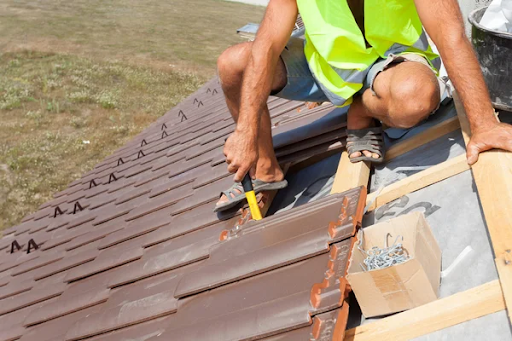
Commercial metal panels can give a building a crisp appearance, durable exterior protection, and a highly efficient construction sequence. Yet their performance depends less on the material alone than on how carefully the system is selected, detailed, handled, and installed. For contractors, architects, and project managers, several practical decisions made before installation can prevent expensive corrections later.
1. Define Performance Requirements Before Choosing a Panel
Begin with the building rather than the product catalogue. A warehouse, office, retail unit, food-processing facility, and climate-controlled building can place very different demands on the envelope. Consider thermal performance, moisture control, fire requirements, wind loads, appearance, maintenance expectations, and local building codes before selecting a system.
This early assessment prevents teams from choosing panels primarily for colour or profile when the more important question is whether the complete wall or roof assembly suits the project.
2. Match the Panel System to the Building Use
Not every metal panel performs the same job. Single-skin cladding may suit one application, while composite or insulated systems may be more appropriate where enclosure performance is a priority. The Metal Construction Association describes insulated metal panels as assemblies with two metal facings surrounding an insulating core, combining enclosure and insulation functions in one component.
For projects where installation speed and integrated thermal performance matter, imp panels may therefore be worth evaluating alongside other wall and roof systems. The decision should still be based on the project’s structural, environmental, and code requirements rather than convenience alone.
3. Resolve Openings and Transitions Early
Windows, doors, corners, parapets, penetrations, louvers, and changes in material are often where otherwise straightforward panel work becomes complicated. These conditions should be coordinated before fabrication wherever possible.
Clear drawings for flashings, sealants, fasteners, closures, and interfaces reduce improvisation on site. They also help different trades understand where responsibility changes from one system to another. The fewer unresolved junctions that reach the installation stage, the easier it becomes to maintain a consistent enclosure.
4. Check the Supporting Structure Carefully
Metal panels depend on accurate supporting construction. Misaligned framing, uneven substrates, or incorrect spacing can create visible distortion and installation difficulties. MCA guidance notes that framing deviations and temperature-related movement can contribute to surface waviness in certain insulated panel applications.
Before fixing begins, verify lines, levels, tolerances, attachment points, and structural readiness. Correcting a framing problem before the panels arrive is usually far simpler than attempting to disguise it after large areas of cladding have been installed.
5. Protect Continuity Across the Building Envelope
A commercial façade is only as dependable as its weakest transition. Insulation, air control, water management, and vapour-control strategies need to remain coherent at joints and interfaces.
This is one reason insulated metal panels can simplify some enclosure designs: properly specified systems can combine cladding and continuous insulation within a single assembly. MCA also identifies commercial, educational, retail, industrial, and other facilities among common applications.
Even so, system performance still depends on correct joints, sealants, flashings, and penetrations. A high-performing panel cannot compensate for careless detailing around adjoining components.
6. Plan Delivery, Storage, and Installation
Panel damage frequently begins before installation. Long components require sensible lifting procedures, protected storage, and careful sequencing. Site teams should follow the manufacturer’s requirements for unloading, stacking, cutting, fastening, and sealant application.
Installation order also matters. Coordinating cranes, access equipment, weather conditions, and adjacent trades can limit unnecessary handling and reduce the risk of scratches, dents, contamination, or delays.
7. Inspect the Work Before Handover
Quality control should happen throughout installation rather than only at the end. Check panel alignment, joint consistency, fastener placement, sealant continuity, flashings, penetrations, and visible surface damage as work progresses.
Early inspection makes defects easier to identify while access equipment and installers are still available. It also gives the project team an opportunity to confirm that the completed façade matches drawings, specifications, and manufacturer requirements.
Conclusion
Successful metal-panel construction comes from coordination rather than a single product choice. Teams that define performance needs early, select the right system, resolve details before fabrication, check structural tolerances, protect envelope continuity, and inspect installation carefully are far more likely to achieve a durable and visually consistent result.
In commercial construction, good preparation is often what separates a clean panel installation from a costly sequence of adjustments.
Read more: How to Spot Early Signs of Roof Damage
Read more: Modern Roofing Options for Your Next Replacement
Read more: Planning to Hire a Metal Roofing Contractor? Here’s What You Need to Know!