Across the River, a Different Bet: What Neighbouring States’ Sports Betting Means for Clinton Residents
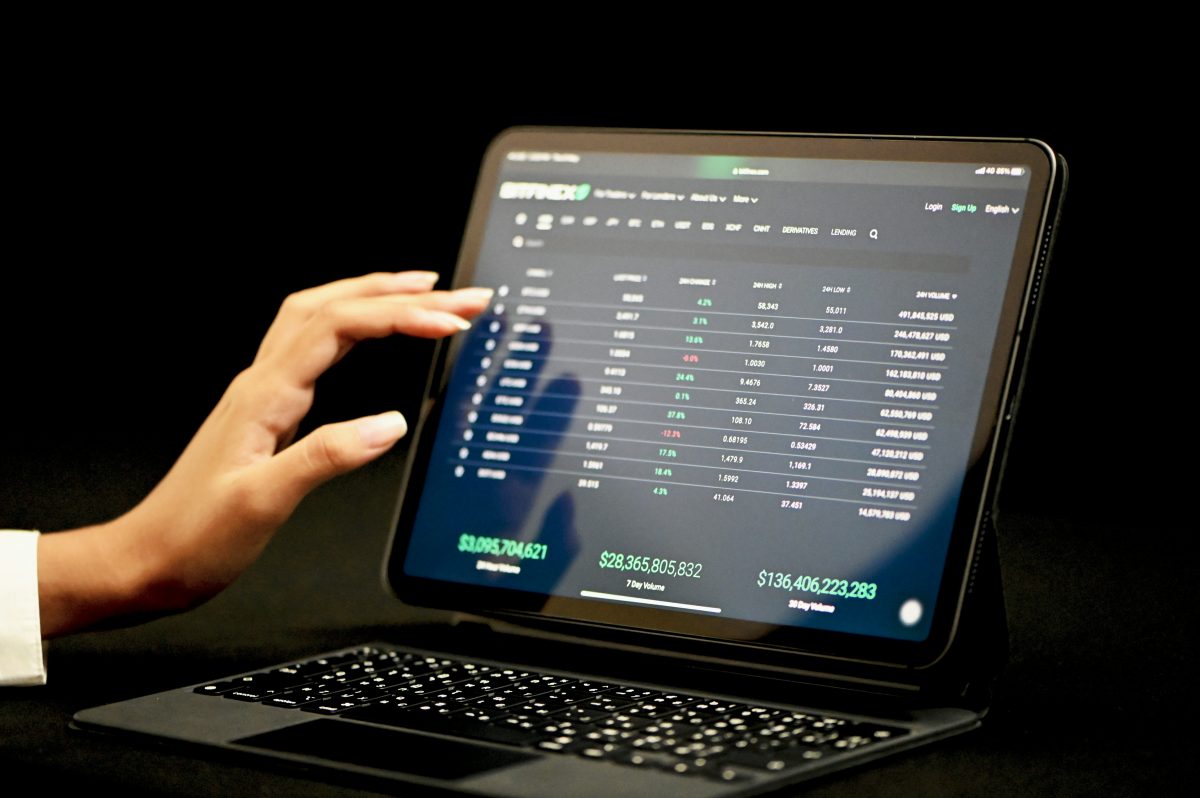
Photo by Kanchanara on Unsplash
Drive west on I-20 from Clinton and you reach the Mississippi River at Vicksburg in about 40 minutes. Cross the bridge and you are in Louisiana, where a phone app will take a bet on Saturday’s Ole Miss game from your couch. Stay on the Mississippi side and the same bet still means walking into a casino sportsbook. For a lot of Hinds County football fans, that short stretch of interstate is the clearest way to understand where the region stands.
Mississippi was early to legal sports betting. Casinos here began taking wagers in August 2018, only a few months after the U.S. Supreme Court struck down the federal ban. Eight years later, the state that moved first has become one of the more restrictive in the South, because most of its neighbours went further and allowed mobile betting statewide.
How the neighbours did it
Louisiana launched mobile betting in early 2022 in parishes that voted to approve it, which covers most of the state’s population. Tennessee skipped retail sportsbooks entirely and went online-only in late 2020. Arkansas started with casino sportsbooks and added mobile wagering in 2022. Alabama remains the outlier in the other direction, with no legal sports betting at all.
North Carolina is the most useful comparison for Mississippi, even though it is not a border state. Lawmakers there passed House Bill 347 in 2023, authorizing statewide mobile wagering, and the market opened in March 2024. It was a Southern state with a conservative legislature and plenty of residents uneasy about gambling, which is the same tension that shows up every time the topic comes up at the Capitol in Jackson.
The early returns there have not followed the script either side predicted. One look at how eastern North Carolina’s sports betting market has developed after a year and a half found a market that settled into its own rhythm, shaped more by local habits and the college football calendar than by the launch-week hype.
What it means on this side of the river
For Clinton residents, the practical rules have not changed. Legal sports bets in Mississippi have to be placed in person at a licensed casino, and the state’s gaming regulator oversees those sportsbooks, along with the casinos that host them. A betting app can work inside a casino property here, but it shuts off once you reach the parking lot.
That gap pulls real money across state lines. Anyone standing in Louisiana or Tennessee can sign up with a licensed app there, and those wagers are taxed by those states. Mississippi legislators have debated mobile betting bills in recent sessions, with supporters pointing to that lost revenue and the casino industry divided over whether online betting would help or hurt the properties along the river and the Gulf Coast.
None of this turns into a law without a vote, so for now the more useful information for local readers is practical. A few points are worth keeping straight:
Location decides legality, not residence. A Clinton resident visiting Memphis can legally bet through a Tennessee app while physically in Tennessee. The same app will block the wager once the phone is back in Mississippi, because geolocation checks run on every bet.
Offshore sites are not a loophole. Websites that advertise to Mississippians without a state license are operating illegally, and a player who wins has little recourse if one refuses to pay out.
College football gets its own limits. Several states restrict prop bets on individual college athletes, and the NCAA has pushed for more of those rules, which matters in a town that fills Robinson-Hale Stadium on fall Saturdays.
Keeping an eye on the Capitol
The next legislative session will likely bring another mobile wagering bill, as recent ones have. If one passes, the details will matter more than the headline: how much the state taxes operators, whether apps must partner with an existing casino, and whether any of the money is set aside for problem gambling programs or local infrastructure.
North Carolina’s experience suggests residents should expect a slower, less dramatic change than either supporters or opponents claim. Betting volume tends to cluster around big weekends, local news outlets end up fielding questions about taxes on winnings, and help lines see more calls. Anyone who feels betting is becoming a problem can call 1-800-GAMBLER, which operates nationally and routes callers to resources in their own state.
Until lawmakers act, the line on the map stays where it is, just past the Vicksburg bridge. Meanwhile, the local issues that shape daily life in Clinton keep moving through City Hall, from school funding to the brick crosswalks on the Parkway, as the Courier’s report on the City is weighing a crosswalk renovation project shows.
Read more: As Mississippi Punts on Mobile Betting Again, Clinton Residents Look West to See How California Plays the Game
Read more: Missouri Just Went Mobile on Sports Betting. Mississippi Is Still Stuck at the Casino.
Read more: Betting Odds Shift After Saints Performances