5 Pests That Thrive in Southern California’s Warm Climate Year-Round

Southern California is famous for its warm weather, sunny days, and relatively mild winters. These conditions are comfortable for people, but they can also create a perfect environment for pests. Many insects and rodents don’t have to wait until spring to become active, since the region has temperatures conducive to year-round activity.
Pest problems can affect homes and businesses throughout the region in different ways. Some pests are attracted by food and moisture, while others hide in walls, gardens, attics, and other protected areas. These unwanted guests can remain active in the warm climate even when temperatures drop elsewhere.
Knowing which pests are common makes it easier to spot warning signs before an infestation becomes hard to deal with. Here are five pests that can thrive in Southern California’s warm year-round climate.
1. Ants
Ants are one of the most common household pests in Southern California. Warm temperatures help colonies stay active longer, especially with a steady supply of food and water. Cracks around windows, doors, foundations, and utility lines also provide easy entry points.
Warm weather, residential neighborhoods, landscaped yards, and outdoor living space in places like Anaheim can give ants plenty of opportunities to find food and create trails. Properties with gardens, patios, trees, or otherwise easy access to moisture may be especially attractive. Once ants find a reliable source of food or water, they can keep going back to the same spot.
For homeowners experiencing repeated ant activity, pest control in Anaheim can help determine where the pests are getting in and what is drawing them in. This method focuses on treating the cause, not just eliminating the visible ants. Sealing food quickly, cleaning up spills, fixing leaks, and sealing potential entry points will also make a property less attractive to ants.
2. Cockroaches
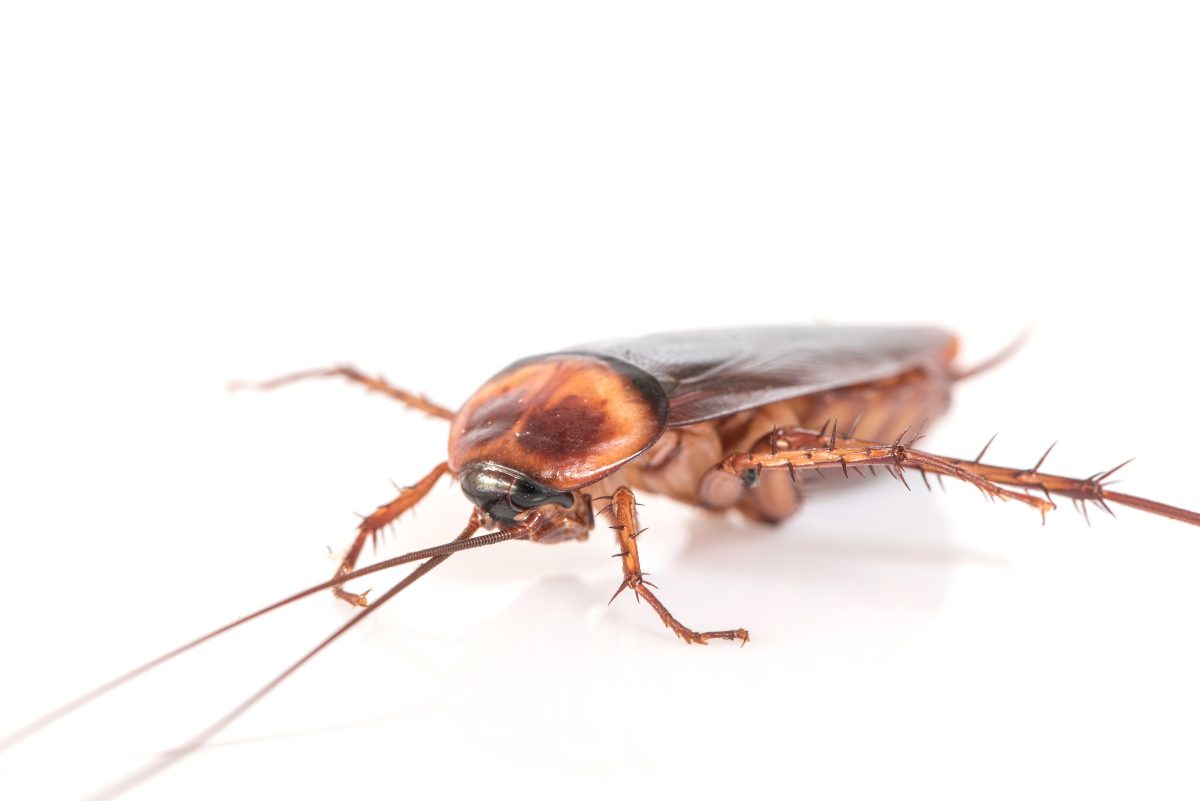
Cockroaches are well adapted to warm environments and can remain active year-round. This means Southern California’s mild climate can provide favorable conditions for these pests for much of the year.
These pests are especially attracted to areas with food, moisture, and shelter. Kitchens, bathrooms, garages, and areas around plumbing are attractive locations. They can also hide during the day and are more visible at night, so an infestation may be difficult to detect early on.
Signs include droppings, egg cases, bad smells, or live cockroaches near sinks and appliances. Good sanitation helps reduce available food sources, but removing hiding places and knowing where pests enter can matter just as much.
3. Spiders
Southern California’s warm climate can support many spider species, especially around yards, garages, sheds, and other areas with lots of insects. Spiders are typically found where their food sources are already present, so increased spider activity may signal another nearby pest problem.
Outdoor lighting can attract flying insects, and this can sometimes make certain areas more attractive to spiders. Vegetation, clutter, piles of wood, and undisturbed corners also may provide suitable sites for webs and shelter.
Not all spiders on or around a property are a serious problem. But if you see them often, or see webs in and around your house, the environment may be providing favourable conditions. Reduce clutter, seal openings, and control other insects to make the property less attractive.
4. Termites
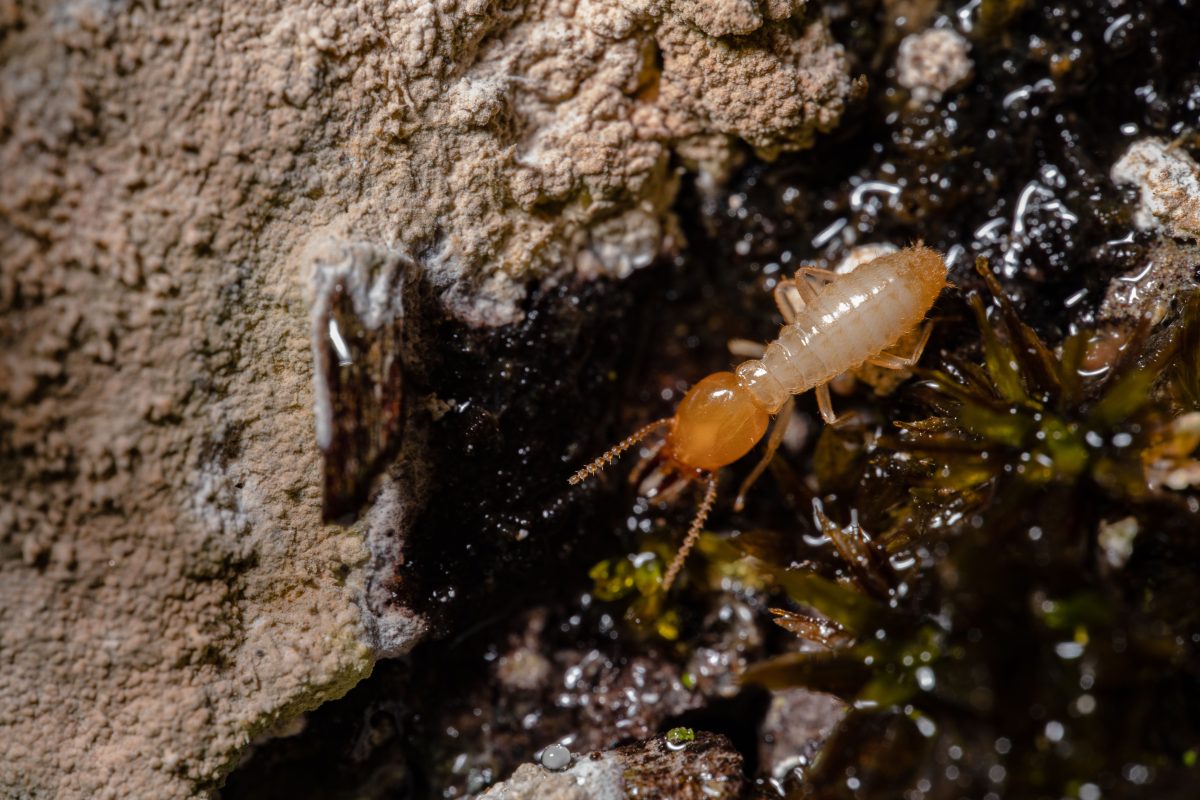
Termites are a serious issue for property owners because they can cause damage to wood and other parts of a structure over time. In Southern California’s relatively warm climate, termite activity can occur outside the short seasonal windows seen in colder regions.
Subterranean termites are generally associated with soil and moisture, while drywood termites can infest dry wooden structures. Termites can hide inside wood or other hard-to-inspect places, so damage may not show up until later.
Homeowners should watch for discarded wings, damaged wood, mud tubes, or other unusual signs on the property. Regular inspections can also help spot potential activity before major structural damage occurs. Other controls to reduce termite activity include keeping wood from direct contact with soil and eliminating moisture problems.
5. Mosquitoes
Mosquitoes are another pest that can take advantage of Southern California’s climate. Mosquito activity can vary throughout the year, but warm weather and stagnant water can create good breeding conditions.
Even a little stagnant water can become an issue. Containers, clogged gutters, plant saucers, buckets, and other outdoor items can hold enough water for mosquitoes to breed. Properties that have poor drainage may also provide more breeding sites.
A simple way to make a property less attractive to mosquitoes is to reduce stagnant water. Use screens on your windows and doors to help keep them out, and get rid of any containers that can hold water to reduce breeding sites.
Why Southern California’s Climate Supports Year-Round Pest Activity
The region’s climate does more than keep people comfortable. It can also lower seasonal constraints on pest activity in the colder parts of the country. If temperatures remain conducive, with food, water, and shelter available, many pests will continue to feed, reproduce, and seek shelter.
That doesn’t mean every pest will be equally active every day of the year. Activity may vary with rainfall, temperature, moisture, food availability, and the nature of individual properties. But homeowners should not take the cooler months as a sign that pest problems are over.
Year-round preventive measures can make a property less attractive to unwanted pests. These steps can help seal cracks, fix leaks, maintain landscaping, remove standing water, and store food properly. If you still see signs of infestation after these steps, the next logical move may be to contact a professional to inspect and treat the problem.
Southern California’s warm climate is perfect for many pests, so year-round vigilance can go a long way toward protecting homes and businesses. Property owners who recognize common pests early stand a better chance of handling problems before they grow larger and more expensive to manage.