Youth Clubs That Run Camping Trips Are Expected to Have Campfire Safety Rules
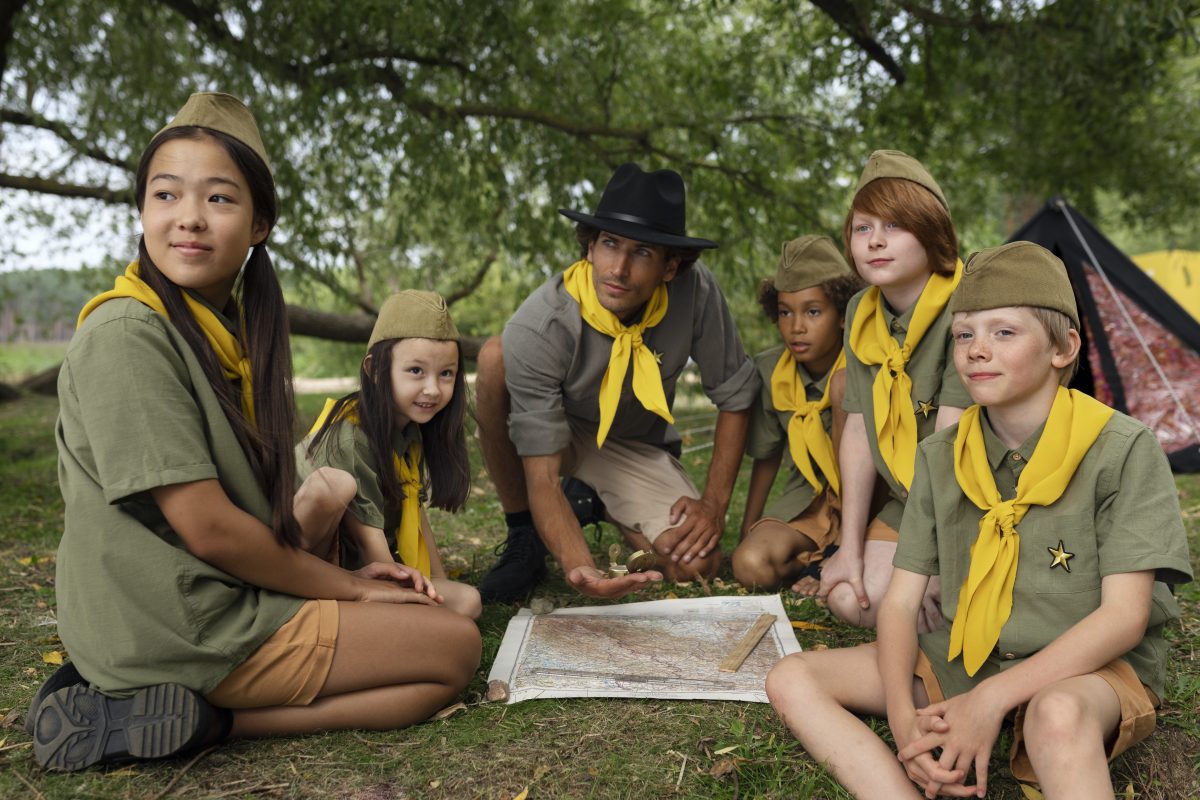
Ask kids what they look forward to on a camping trip, and there’s a good chance someone will mention the campfire. Roasting marshmallows, telling silly stories, and staying up a little later than usual are all part of the fun. Still, a fire can get out of hand quickly, especially when a group of excited children gathers around it. Youth club leaders need to think about that risk before the trip begins, just as a burn injury lawyer might later look at whether someone took the right steps to prevent an accident. A little preparation can make the difference between a great evening outdoors and a trip to the emergency room.
Set the Rules Before Anyone Lights a Match
Children don’t always recognize danger when they’re having fun. One camper might get too close to toast a marshmallow, while another might toss a stick into the flames just to see what happens. Before anyone gathers around the fire, leaders should explain the following:
- Lay down rules–what’s allowed and what isn’t
- Kids need to know where they can sit
- They must be briefed on how much space to leave around the flames
- Explain why pushing, running, or playing near the fire is off-limits
There’s no need to turn the safety talk into a lecture. Show the group the safe spots to sit and explain what can happen if someone gets careless. Make it clear that children must ask an adult before adding wood or touching anything used to start the fire. When the rules are easy to understand, campers are more likely to follow them.
Make Sure an Adult Is Actually Watching
It’s easy to assume everything is fine when several adults are present, but that doesn’t mean anyone is keeping a close eye on the fire. Youth clubs should assign someone to supervise the activity rather than leaving responsibility vague. That adult needs to pay attention to both the flames and the children nearby. If they have to step away, another responsible adult should take over first.
Some children need more guidance than others, particularly those who are young or haven’t spent much time around fires. Even older kids who have been camping before can get distracted when they’re with friends. Leaders should avoid giving children free access the following without supervision:
- Matches
- Lighters
- Firewood
- Flint
- Charcoal
Experience is helpful, but it doesn’t replace sensible precautions.
Pick the Right Spot for the Campfire
A safe campfire starts with choosing a suitable location. Using an established fire pit is usually the best option, provided fires are permitted at the campsite. Leaders should keep the fire away from tents, overhanging branches, dry grass, and other materials that could catch alight. They also need to consider the wind, since sparks can travel farther than expected.
Checking the campsite’s rules before leaving home is just as important. Fire restrictions can change during hot, dry weather, and a place that normally allows campfires might temporarily ban them. Leaders should have water or another appropriate way to extinguish the fire close by, along with a stocked first-aid kit. If conditions aren’t safe, skipping the campfire is the sensible choice.
Help Kids Understand What Can Go Wrong
Telling children to be careful only goes so far. They need to know what that actually means when they’re sitting beside an open fire. Remind them not to wave burning sticks around, throw rubbish into the flames, or reach across someone else to grab food. Loose sleeves and dangling clothing should also be kept away from the fire.
Leaders should talk about emergencies before one happens. If someone gets burned or another camper is injured, children need to know to call an adult straight away. Adults should know the campsite’s exact location and how to contact emergency services if necessary. A quick conversation about what to do can help prevent panic when every second counts.
Don’t Leave Until the Fire Is Completely Out
The evening isn’t over just because everyone is ready to head back to their tents. Hot embers can remain under ash long after the flames disappear, and a breeze can stir them up again. An adult should handle putting out the fire and follow the campsite’s instructions for doing so. Where water is recommended, the fire should be soaked thoroughly, and the ashes should be stirred carefully to check for lingering heat.
Leaders shouldn’t leave the fire unattended while it cools. They need to make sure it’s completely out before the group moves on. Older campers can watch from a safe distance and learn how to handle this final step responsibly. It might not be the most exciting part of camping, but it’s one of the most important.
Final Word
A campfire can be one of the best parts of a youth camping trip, provided everyone knows how to behave around it. Leaders have a responsibility to supervise the group, choose a safe location, and make sure the fire is fully extinguished. If a serious head injury occurs, a burn injury lawyer may help a family understand whether negligence played a part in the incident. No camping activity is worth putting children in danger, and a few sensible rules can help everyone enjoy the experience with greater peace of mind.
Read more: The Benefits of Investing in Quality Outdoor Gear
Read more: Family-Friendly Activities in the Mountains: Fun Ways to Explore Nature Together
Read more: Planning A Car Camping Trip For First-timers