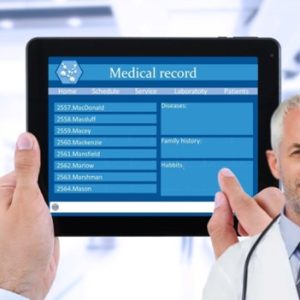
Why Hackers Are Interested In Medical Records
When people use the term hackers, the most common image that comes to mind is of dark rooms, advanced computers, and individuals with the notorious purpose of stealing credit card data or government data. Most people don’t associate a hacker with the idea of stealing medical records. Still, an increasing number of hackers are trying to gather medical records instead of more profit-making information.
A considerable increase can be seen in cyberattacks on the medical industry in the last few years. However, the worst part about this particular attack is that hackers release all the files onto the dark web in no time. They steal tons of medical records from different health institutes, and most of these records gradually get sold for a massive chunk of money.
Are you wondering why hackers have an eye on the medical records of people? If you want to know the answer to this question, continue reading this article.
Why are hackers behind medical records?
While it is normal for hackers to target banks or multinational corporations, the recent attacks on hospitals and medical institutions have come as a shock for many. However, there are many platforms available online which help the organization in easy management of online medical records.
Here are a few reasons why medical records are being targeted by hackers:
1. Ransom
If you take a look at the last few years, cases of hacking of medical records have been on a constant increase. Many studies have been done by cybersecurity experts that show that hackers have attacked more than 500 medical institutes with some ransomware for breaching data in 2020.
The hackers tend to hack the entire hospital’s network with ransomware which will ultimately end up locking the computers, and the hospital staff is unable to operate them. Once they manage to shut the computer down, they tend to ask for a ransom to unlock the computers.
There have been many famous and reputed medical organizations worldwide who had to face such unfortunate incidents.
2. Selling data online
The hackers don’t stop at restricting access to the computers. If the hospitals don’t agree to any of their demands, the hackers might threaten the hospital to spread the patient’s details online.
According to many researchers, after the hackers get access to the files, they leak the details on the darknet for some time before they come back in different ways.
Many cybersecurity experts need only seconds to figure out the details of the hacked health records online. Many have been successful in catching the culprits who were selling them at a high price.
As per experts, an individual’s entire medical details can be sold for up to $1,000, which is way more as compared to credit card information which sells at $1 – $110. In many cases, hackers can go to any limit to obtain money for the information as fast as they can.
3. Creating fake identities
The hackers try to focus on developing packages known as ‘fullz’ and ‘identity kits.’ As per sources, such packages usually hold all the details of the patient’s health history and everything related to them. They have the patient’s complete name, address history, financial information, and social security numbers. All these details are more than enough for hackers to get a loan or get a line of credit with the patients’ names.
After that, the hackers can carry the details to the deep web to develop social security cards, counterfeit passports, and ID cards. After finishing the complete kit, they can choose to sell the kit at a lump sum amount.
After hacking, the hackers sell these records on the darknet. Many people might have this question on their minds as to what they do once their hands are on the file.
As per reports, the hackers sometimes try to compromise this data, and one doesn’t know how they are being used. We are not even aware when or if it will be utilized to compromise those patient’s identities.
But most of the time, hackers try to sell the records on the black market to gain profit. Certain buyers might even utilize the records to develop a fake identity to buy medical tools or drugs or dodge a false insurance claim.
Conclusion
Despite the efforts to secure data and systems, there is a surge in the number of cyberattacks, especially on medical institutions. It is becoming imperative to use security measures to prevent such attacks and protect the sensitive information of the patients.