
Hudson’s Journey: EXTRA Wonderfully Weird
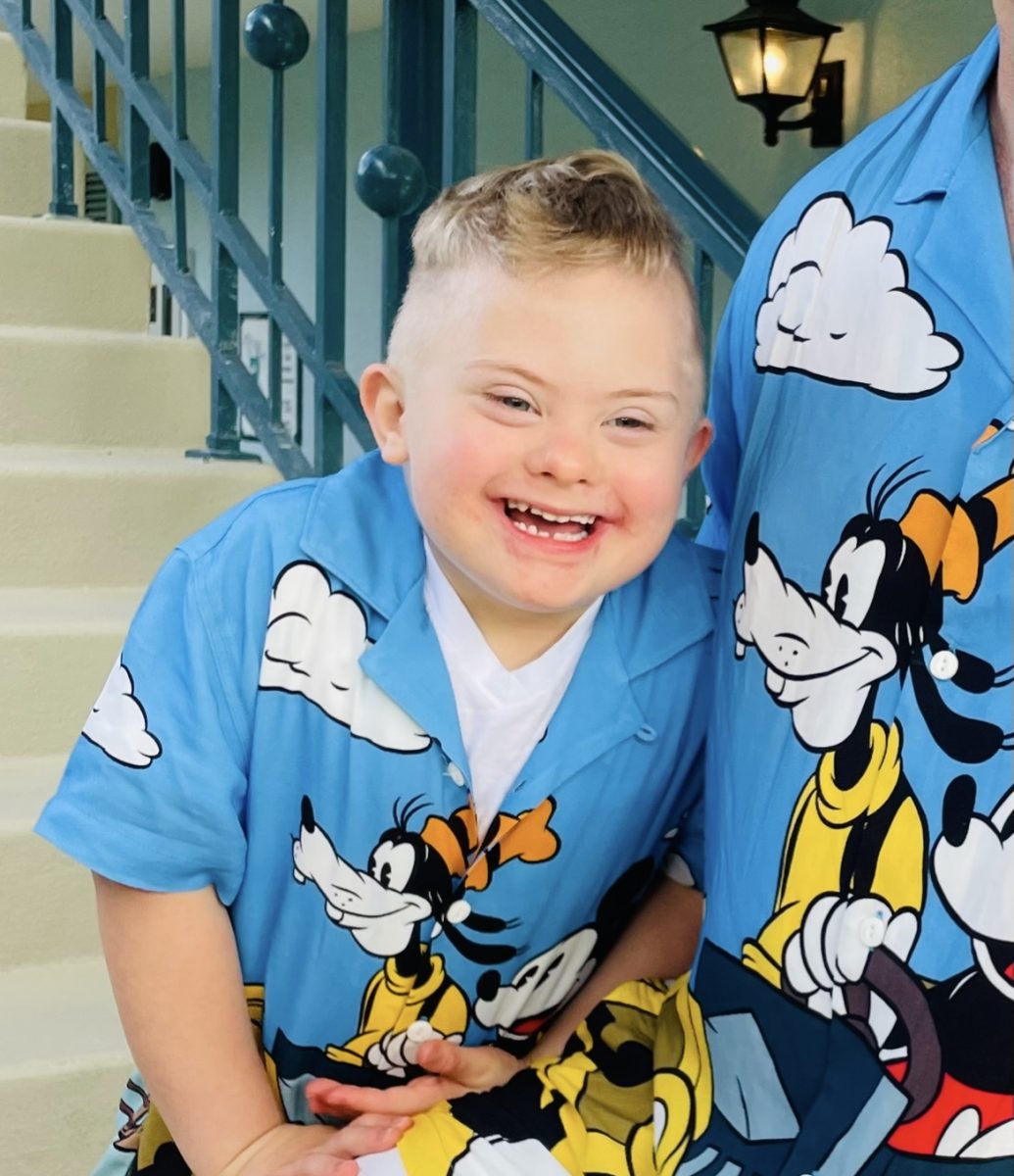 November is here! Thank you to everyone who celebrated Down Syndrome Awareness Month in October; we have so much to be thankful for. It’s okay to keep the celebrations going every day. I do.
My chosen title may have you wondering why I used the dreaded “weird” word; because, I see how sensitive we’ve become by overthinking everything we say. The backlash of being politically correct when someone slips up and says something that offends someone has to stop. My son is wonderful and he is weird in the most fantastic way. I am not sorry. Hudson is dual diagnosed with Down syndrome and autism. As I celebrate Down syndrome Awareness Month, I celebrate everything about my son.
Listen, being deliberately mean is wrong, but seeing Hudson in all his glory means you are truly looking and seeing him for the gift he is. One of his gifts is his weirdness. I want him to be seen and accepted for all of him, not just the parts that are easy to love. He can be salty, stubborn and very determined and it’s all wonderful. He stims when he is overwhelmed, he stims when he’s happy. Picture meeting your most admired person or going to Disney or winning the lottery, Hudson feels this feeling sometimes twenty times a day or more… and it’s great to know he’s happy; to know someone is happy is something we can see with no words.
To understand his dual diagnosis, I have asked Hudson’s Applied Behavior Analysis (ABA) therapist and owner of Victory Behavioral, Denise Johnson, BCBA, to share her experience while helping my son. Hudson became her first child with Down syndrome to take data from and apply a program to help Hudson; he now has opportunities to learn and grow in a way that suits his learning style best. Here is Denise’s professional view:
“The remarkable thing about the science of Applied Behavior Analysis (ABA) is that it focuses on understanding behavior and applying techniques to gently shape and improve it. ABA can be used to help individuals learn valuable skills, whether they are neurodivergent or neurotypical. I chose to specialize in Autism Spectrum Disorder (ASD) due to having a son diagnosed with ASD, which has given me a personal connection to the challenges many caregivers face.
I encourage all clinicians to be transparent about their current scope of practice and to actively seek opportunities for growth and consultation on complex cases like Hudson’s.”


