Mastering the Art of Poker: Strategies for Success at the Table
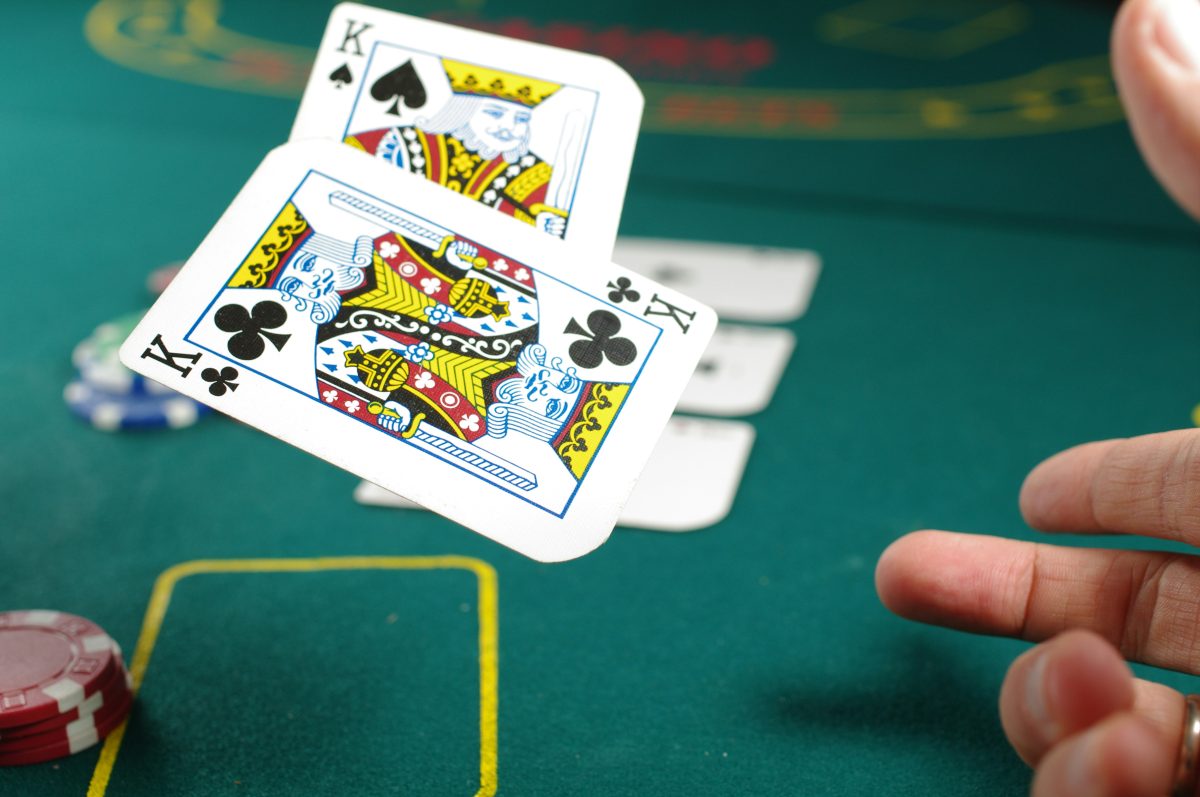
1. The Captivating World of Poker
Poker has long captivated players worldwide, offering a unique blend of skill, strategy, and chance that keeps enthusiasts returning for more. The game’s enduring popularity stems from its multifaceted nature, combining elements of psychology, mathematics, and sheer nerve.
At its core, poker is a game of incomplete information, where players must make decisions based on limited knowledge of their opponents’ cards. This creates an exhilarating dynamic where every choice carries weight, and the outcome can turn on a single card reveal. The mental challenge poker presents is unparalleled in the world of card games, requiring players to constantly analyze and adapt their strategies in real-time.
Moreover, the social aspect of poker adds another layer of excitement. Whether played in a bustling casino or a cozy home game, the interaction between players creates a unique atmosphere of camaraderie and competition. Developing the ability to read opponents, bluff convincingly, and maintain composure under pressure are invaluable skills that extend beyond the poker table, making the game a valuable tool for personal growth.
2. Demystifying Poker Hand Rankings
As mentioned in the PokerNews Podcast #878, mastering poker hand rankings is crucial, even for experienced players. The hierarchy of hands, from the lowly high card to the coveted royal flush, forms the backbone of decision-making.
Knowing where your hand stands in relation to potential opponent holdings is essential for making informed choices about betting, calling, or folding. Here’s a quick refresher on poker hand rankings, from highest to lowest:
- Royal Flush
- Straight Flush
- Four of a Kind
- Full House
- Flush
- Straight
- Three of a Kind
- Two Pair
- One Pair
- High Card
However, understanding hand rankings is just the beginning. The real skill lies in applying this knowledge to in-game situations. A poker cheat sheet can be invaluable, especially for beginners, helping them internalize hand probabilities and make more accurate assessments of their hand strength.
Moreover, hand rankings allow players to better interpret their opponents’ possible holdings. This skill, combined with observing betting patterns and physical tells, forms the basis of hand reading – a crucial ability that separates amateurs from professionals.
3. The Subtle Art of the Poker Face
The impassive expression that gives nothing away – the poker face – is perhaps the most iconic element of poker strategy. Mastering this art is essential for concealing your hand’s strength or weakness and executing successful bluffs.
A strong poker face encompasses your entire demeanor at the table, including your body language, breathing, and even how you handle your chips. The goal is to present a consistent image regardless of the cards you hold.
Here are some tips for cultivating an effective poker face:
- Practice neutral expressions in the mirror
- Control your breathing to remain calm under pressure
- Develop a consistent routine for betting and checking
- Avoid nervous habits like fidgeting or excessive blinking
- Focus on a fixed point to avoid inadvertent eye movements
Remember, the purpose of a poker face isn’t solely to hide your emotions – it’s also to project false information. A skilled player can use their poker face to mislead opponents, making them believe a strong hand is weak or vice versa.
Bluffing, closely tied to the poker face, is a powerful tool. A well-executed bluff can win pots with inferior hands, keeping opponents guessing and potentially tilting them off their game. However, bluffing should be used judiciously, as overuse can lead to predictability, while poorly timed bluffs can be costly.
4. The Strategic Art of Betting
Strategic betting is the cornerstone of successful poker play. It’s not just about the size of your wagers, but also about the timing and the message your bets convey to your opponents. As highlighted in the article about Clubs Poker’s Omaha tournament series, different poker variants may require adjustments to betting strategies, but the core principles remain the same.
One common mistake is betting too frequently or too large with marginal hands, which can quickly deplete your chip stack. Instead, be selective with your bets, choosing spots where you have a clear advantage or where a well-timed bluff can win the pot.
Another key aspect is pot control. This involves managing the pot size in relation to your hand strength and stack size. For instance, with a strong but not unbeatable hand, you might want to keep the pot small to minimize potential losses. Conversely, with a very strong hand, build the pot to maximize your winnings.
Position plays a crucial role. Being in late position (acting after most opponents) gives you more information and allows for more aggressive betting. In early position, a more cautious approach is often warranted.
Here are some strategic betting tips:
- Bet for value when you believe you have the strongest hand
- Use smaller bets to keep opponents in with weaker holdings
- Make larger bets to protect against potential draws
- Mix up your bet sizing to avoid predictability
- Consider your opponents’ stack sizes when deciding on wager amounts
Remember, effective betting isn’t just about winning individual hands – it’s about maximizing your profits over the long run. This often means making tough laydowns when you suspect you’re beaten, even if you’ve invested heavily in the pot.
5. Elevating Your Game with Free Practice
As with any skill, becoming proficient at poker requires practice. Fortunately, the digital age has made it easier than ever to hone your poker skills without risking real money. Free poker games offer an excellent opportunity to apply the strategies discussed in this article in a low-pressure environment.
These free games allow players to:
- Familiarize themselves with different poker variants
- Experiment with various betting strategies
- Practice reading opponents and spotting tells
- Gain experience in different tournament structures
- Learn to manage their bankroll effectively
While free games can’t entirely replicate the pressure and dynamics of real-money poker, they provide invaluable experience for beginners and a risk-free practice ground for more experienced players looking to try new strategies.
Many online poker sites offer freeroll tournaments, which are free to enter but offer real prizes. These tournaments can be an excellent way to build a bankroll from scratch while gaining tournament experience.
For those looking to focus on specific aspects of their game, some sites offer training modes that allow players to practice particular scenarios repeatedly. This targeted practice can be incredibly effective for improving weak areas.
However, it’s important to remember that the play in free games can sometimes be unrealistic, with players taking more risks than they would with real money on the line. As you progress, it’s beneficial to gradually transition to low-stakes real money games to experience more authentic poker dynamics.
6. Your Path to Poker Mastery
As we’ve explored, mastering poker requires a combination of understanding hand rankings, cultivating a strong poker face, implementing strategic betting, and consistent practice. Each of these elements contributes to your overall poker prowess, and improving in one area often leads to advancements in others.
To summarize the key points:
- Embrace the thrill and complexity of poker that makes it so captivating
- Master poker hand rankings and their probabilities
- Develop a consistent and effective poker face
- Learn to bet strategically based on your position and hand strength
- Utilize free poker games to practice and refine your skills
As you continue your poker journey, remember that improvement is a gradual process. Don’t be discouraged by setbacks – even the world’s best players have losing sessions. Instead, focus on making the best decisions possible with the information available to you.
We encourage you to apply these strategies in your next poker game, whether it’s a friendly home game, an online freeroll, or a casino tournament. Pay attention to how these techniques affect your play and the reactions of your opponents.
Lastly, we’d love to hear about your experiences applying these strategies. Have you found success with a particular bluffing technique? Uncovered a tell that’s helped you read opponents more accurately? Or perhaps you have questions about specific poker scenarios? Share your thoughts and questions in the comments section below. Your insights could help fellow players, and community discussion often leads to new strategic revelations.
Remember, in poker, as in life, the key to success lies in continuous learning and adaptation. So shuffle up, deal, and may the odds be ever in your favor!