From Factory Floor to Main Street: How Advanced Manufacturing Is Boosting Mississippi Jobs
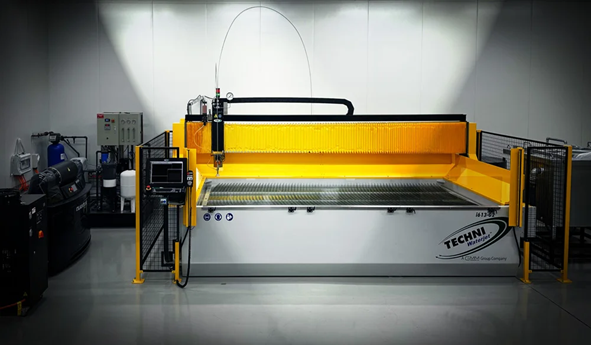
Step inside a Mississippi factory today and you’ll see a different picture than a generation ago. The clang of metal and the smell of cutting oil are still there, but so are computer-controlled machines, precision waterjet cutters, and teams of skilled operators feeding designs straight from digital models. What happens here doesn’t just stay on the production floor — it ripples outward to Main Street, powering small businesses, fueling local economies, and creating jobs that keep communities strong. This is the story of how advanced manufacturing connects high-tech tools to everyday life in Mississippi.
What’s Driving Mississippi’s Advanced Manufacturing Growth?
Mississippi’s manufacturing economy is thriving thanks to a combination of industrial diversity and targeted state support. From the shipyards along the Gulf Coast to aerospace assembly plants in the interior, the state has invested heavily in infrastructure, workforce development, and technology adoption.
State-led incentives help companies modernize while keeping operations in Mississippi. Training programs and tax credits encourage both local hiring and the adoption of advanced manufacturing processes.
Key factors include:
- Major manufacturing sectors: shipbuilding, automotive, aerospace, metal fabrication, agricultural equipment
- Tax incentives and training programs: Mississippi Works, Advantage Jobs Program
- Economic development agencies: Mississippi Development Authority, local industrial parks, workforce training centers
These elements combine to create an environment where innovative production methods, like waterjet cutting, can flourish.
How Waterjet Cutting Powers Mississippi’s Industrial Landscape
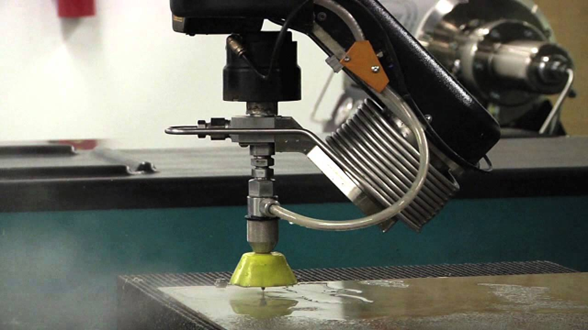
Waterjet cutting is a manufacturing process that uses a high-pressure stream of water, sometimes combined with abrasive particles, to slice through materials. Unlike heat-based cutting methods, waterjets avoid thermal distortion, making them ideal for precision work in industries ranging from aerospace to marine fabrication.
In Mississippi, where shipbuilding, oil and gas equipment, and heavy machinery production are key sectors, waterjet systems enable manufacturers to work with steel, aluminum, composites, and specialty alloys — all without compromising material integrity. This precision is essential for meeting both domestic and global quality standards.
What Exactly Is Waterjet Cutting and How Does It Work?
At its core, waterjet cutting relies on extreme water pressure to erode material along a controlled path.
Main stages in the process include:
- Design and programming of the part in CAD/CAM software.
- Pressurization of water to levels exceeding 60,000 psi.
- Mixing abrasive particles (for abrasive waterjets) to enhance cutting power.
- Jet focusing through a fine nozzle for precise cuts.
- Controlled cutting guided by CNC systems.
Pure waterjets excel at cutting softer materials like plastics, rubber, and food products, while abrasive waterjets handle metals, stone, and composites. Mississippi shops use both types depending on the application — for example, a marine fabrication shop might cut aluminum hull panels with an abrasive jet, while a plastics manufacturer uses a pure waterjet for non-metal components.
Mississippi Industries Benefiting from Waterjet Technology
Across the state, a range of industries leverage waterjet cutting for its precision and versatility:
- Shipbuilding and marine fabrication
- Aerospace components manufacturing
- Oil and gas equipment production
- Agricultural machinery fabrication
- Construction and infrastructure projects
By serving multiple markets, waterjet-equipped shops diversify their revenue streams and create stable employment even when one sector slows.
Building the Workforce for Advanced Manufacturing
Operating modern waterjet systems requires a blend of technical and practical skills. Workers need:
- CNC programming and control knowledge
- Material science basics
- Maintenance and troubleshooting skills
- Quality control and measurement techniques
Mississippi community colleges, such as Hinds and Pearl River, offer CNC and precision machining programs, often in partnership with local manufacturers. These programs ensure a steady pipeline of trained operators ready to step into high-demand roles.
How Advanced Manufacturing Creates Jobs in Mississippi
Technology may change the way products are made, but it also generates new types of employment. Advanced manufacturing in Mississippi supports:
- Machine operators
- CAD/CAM designers
- Maintenance technicians
- Logistics and supply chain roles
- Local suppliers and service providers
These jobs not only pay competitive wages but also stimulate secondary economic growth — from restaurants serving factory workers to service companies supporting industrial operations.
Competing on a Global Stage with Waterjet Precision
Mississippi manufacturers aren’t just competing regionally; they’re bidding for contracts in national and global markets. Waterjet cutting helps them meet international expectations for:
- Tight tolerances and precision
- Ability to cut diverse materials
- Compliance with environmental standards
This capability allows small and medium-sized Mississippi firms to win contracts that might otherwise go to larger out-of-state competitors.
Economic Advantages of Waterjet Cutting
For local businesses, the benefits of waterjet systems extend beyond precision:
- Lower waste and material costs
- Ability to cut a wide range of materials
- Reduced need for secondary finishing
- Faster prototyping for local manufacturers
- Higher product customization potential
Each advantage translates into improved efficiency, faster turnaround, and better margins.
Challenges to Implementation
Adopting advanced manufacturing technologies like waterjet cutting isn’t without obstacles:
- Skilled labor shortages
- Upfront equipment costs
- Infrastructure limitations in rural areas
- Need for digital literacy in manufacturing teams
Addressing these challenges requires coordinated action between industry, government, and education providers.
Preparing the Next Generation
Mississippi schools and training centers are adapting to industry needs by integrating CNC, CAD, and waterjet modules into their programs. Partnerships between manufacturers and educators provide students with hands-on experience, bridging the gap between classroom learning and factory application.
Small Business Advantages
For smaller Mississippi shops, access to waterjet cutting means:
- On-demand cutting services for custom parts
- Local sourcing instead of importing components
- Increased ability to bid for larger contracts
- Shorter lead times for prototypes
This levels the playing field, allowing small enterprises to compete for high-value work.
Case Studies: Local Success Stories
One Gulf Coast shipyard integrated abrasive waterjet systems to fabricate complex steel components, reducing assembly times by 30% and creating 15 new skilled jobs. In the aerospace sector, a Jackson-based supplier used waterjet technology to cut titanium parts with zero thermal distortion, securing a multi-year contract that boosted annual revenue by 20%.
Beyond Jobs: Community Impact
Advanced manufacturing fuels more than employment. It supports:
- Growth of supplier networks
- Infrastructure upgrades
- Expansion of STEM education initiatives
- Community sponsorships and local investment
These ripple effects strengthen the social and economic fabric of Mississippi towns.
Looking Ahead — Mississippi’s Manufacturing Future
Industry leaders expect continued growth through:
- AI-assisted machining
- Smart factory integration
- Green manufacturing initiatives
With strategic investment and workforce readiness, Mississippi is positioned to expand its reputation as a hub for advanced manufacturing.
Conclusion
From high-pressure waterjets shaping metal for ship hulls to precision-cut aerospace components, advanced manufacturing is reshaping Mississippi’s economy. It’s a cycle that starts on the factory floor and ends on Main Street — with more jobs, stronger communities, and a brighter future for the state’s industrial base.