10 Eco-Friendly Pest Control Methods That Actually Work
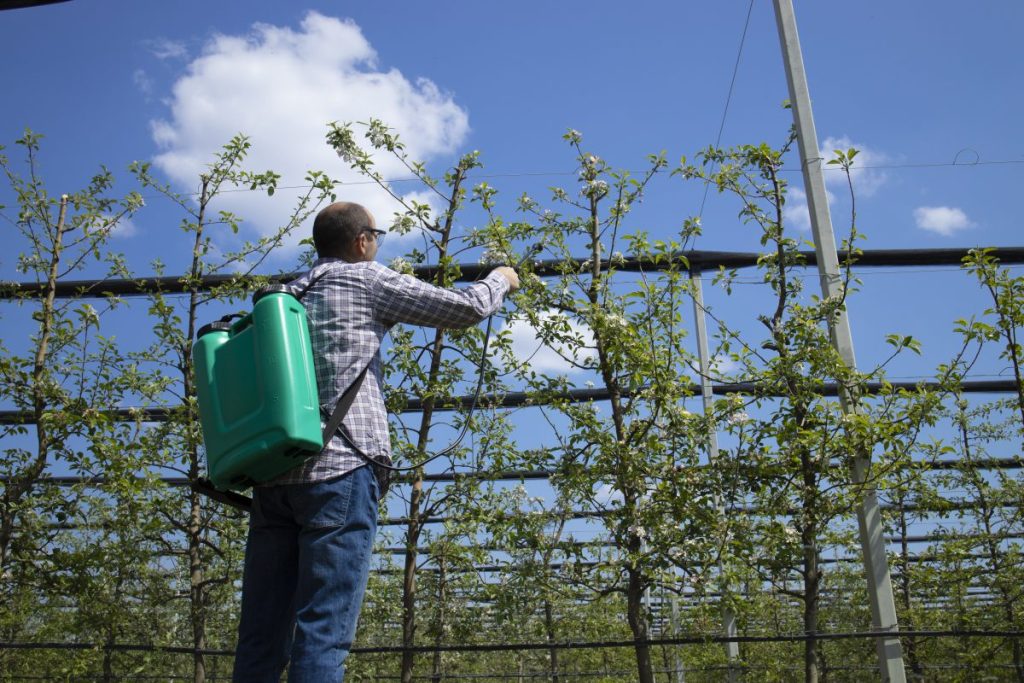
When it comes to keeping unwanted pests out of your home or garden, harsh chemicals aren’t your only option. More Australians are turning to eco-friendly pest control methods that are safer for their families, pets, and the planet. These sustainable approaches not only help manage pest populations but also preserve biodiversity and maintain the natural balance of ecosystems.
Here are 10 effective eco friendly pest control methods that genuinely work.
Use Natural Repellents
Essential oils such as peppermint, eucalyptus, lavender, and tea tree oil can deter many insects, including ants, mosquitoes, and spiders. Simply mix a few drops with water and spray around doorways, windows, and other entry points. For rodents, peppermint oil on cotton balls placed in corners can be surprisingly effective.
Introduce Beneficial Insects
Encouraging natural predators is one of the most effective ways to manage garden pests. Ladybirds, lacewings, and praying mantises feed on aphids, whiteflies, and mites. You can attract these helpful insects by planting flowers like daisies, marigolds, and dill or purchasing them from garden suppliers.
This method promotes a healthy, self-sustaining ecosystem and reduces the need for chemical pesticides.
Set Up Physical Barriers
Simple physical barriers such as fine mesh netting, copper tape, and sticky traps can protect your plants from pests like snails, caterpillars, and fruit flies. For indoor control, sealing cracks and gaps around windows and pipes can stop pests from entering your home in the first place.
This preventive approach saves you time and reduces the need for ongoing treatments.
Diatomaceous Earth
This naturally occurring powder, made from crushed fossilised algae, works wonders on crawling insects like cockroaches, ants, and bed bugs. The powder dehydrates and kills insects upon contact — yet it’s non-toxic to humans and pets when used correctly.
Sprinkle it lightly around baseboards, garden beds, or other pest-prone areas.
Homemade Traps
Homemade traps are affordable, safe, and surprisingly effective. For example:
- Fruit fly traps: A bowl of apple cider vinegar covered with cling film and small holes lures and traps the flies.
- Slug traps: A shallow dish of beer buried in the garden attracts and drowns slugs.
These simple DIY solutions cut down on waste and chemical exposure.
Neem Oil
Derived from the neem tree, this oil is a natural insecticide and fungicide. It interferes with insect hormone systems, deterring feeding and reproduction. Neem oil is particularly effective against aphids, whiteflies, and spider mites. Mix with water and spray directly on leaves for long-lasting results.
It’s safe for bees and beneficial insects when applied correctly, making it a must-have for organic gardeners.
Companion Planting
Companion planting involves growing specific plants together to naturally deter pests and promote healthy growth. For instance:
- Basil repels flies and mosquitoes.
- Marigolds deter nematodes and whiteflies.
- Garlic and chives protect roses from aphids.
This age-old technique enhances biodiversity and keeps your garden thriving.
Encourage Native Birds and Frogs
Attracting natural predators like magpies, kookaburras, and frogs helps keep insects, snails, and rodents in check. Installing bird baths, nesting boxes, or small ponds invites these pest controllers into your garden — turning it into a thriving mini-ecosystem.
Proper Waste Management
Pests thrive where there’s easy access to food and shelter. Keep bins sealed, compost properly, and remove standing water to discourage mosquitoes and rodents. Regular cleaning and maintenance are among the simplest and most sustainable pest control strategies you can adopt.
Use Eco-Friendly Commercial Products
If DIY methods aren’t enough, look for eco-certified pest control products available in Australia. Brands offering biodegradable sprays or non-toxic traps can help without harming the environment. Always check labels for ingredients and certification marks such as Australian Certified Organic (ACO) or NASAA.
Final Thoughts
Switching to eco-friendly pest control isn’t just about avoiding harsh chemicals — it’s about creating a balanced environment where pests are managed naturally. By combining these sustainable methods, you’ll protect your home, garden, and the environment for future generations.
Next time you’re tempted to reach for chemical sprays, remember: nature often provides the best solutions.
Read more: Strategies That Maximize Output in Greenhouse Settings
Read more: Pest Control: Protecting Your Home and Health
Read more: Creepy Crawlers No More: Your Guide to Safe and Effective Cockroach Control