Why Regular Maintenance is Key to Avoiding Costly Exterior Repairs
Maintaining a home is a lot like looking after a car. If you ignore the small oil leaks, the engine eventually fails. Your house works the same way, especially when it comes to the exterior shell.
Many people wait until they see a major problem before they call for help. This usually leads to huge bills that could have been avoided. Small fixes today prevent the massive headaches that come with structural failure.
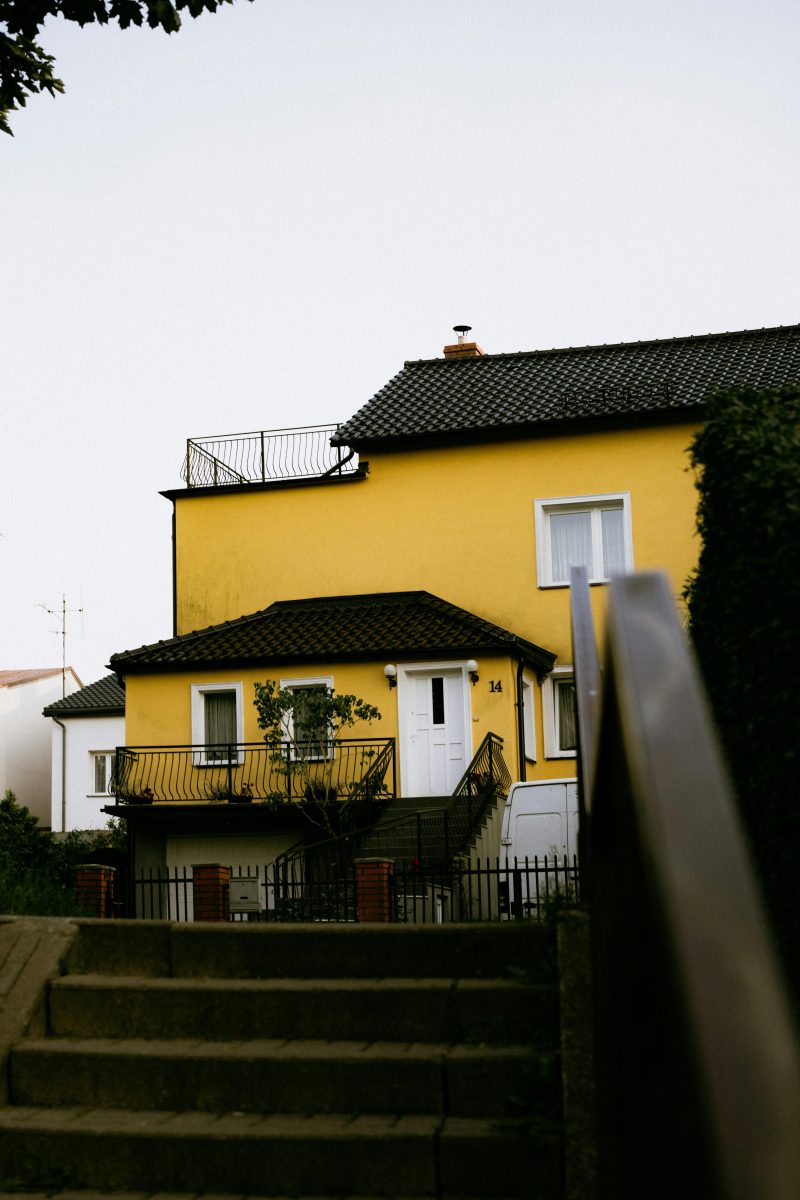
The High Cost of Waiting
Waiting to fix a small leak can be a very expensive mistake. Recent data shows that the average homeowner now spends $10,433 every year on property upkeep. This is a 5.9% increase from just one year ago.
Ignoring a loose shingle might seem fine for a few months. Rainwater finds its way into your attic through even the tiniest gaps. Once moisture gets inside, it rots wood and ruins insulation. You might start with a $200 repair and end up with a bill for thousands.
Roof Health and Longevity
The roof is your first line of defense against the elements. It takes a beating from the sun, wind, and rain every single day. Keeping an eye on its condition is the best way to save money.
When you need help with inspections, trusted roofing contractors can spot issues you might miss from the ground. They have the right tools to check for soft spots or hidden damage. Catching these problems early keeps your family dry and your bank account full.
Managing Your Gutters
Gutters are designed to move water away from your foundation. If they are clogged with leaves and dirt, the water has nowhere to go. It spills over the sides and pools right next to your home.
This standing water can crack your foundation. It can also cause the wood trim around your roof to rot. Taking a few hours to clean them twice a year is much cheaper than fixing a cracked basement wall.
Dealing with Overhanging Trees
Trees add beauty to your yard, but they can be a threat to your exterior. Heavy branches can scrape against your roof and pull up shingles. In a storm, those branches might snap and cause major structural damage.
Trimming back your greenery is a simple part of a maintenance checklist. Industry experts suggest that overhanging branches block gutters and damage roofs frequently during the autumn months. Keeping a clear path around your roof line prevents these easy-to-avoid accidents.
Protecting Your Siding
Your siding protects the bones of your house. Cracks or gaps in the siding allow bugs and moisture to move into your walls. Once they are inside, they can cause damage that is hard to see until it is too late.
- Check for warped or buckling panels once a month.
- Power wash your siding to prevent mold and mildew growth.
- Seal any gaps around windows and doors with fresh caulk.
- Repaint wood siding before the paint starts to peel away.
The Impact of Extreme Weather
Weather patterns are becoming harder to predict. We are seeing more heat waves and intense storms than in previous years. These shifts put extra stress on your home’s exterior materials.
A report from the Met Office shows that some regions experienced four official heat waves in a single summer recently. High heat can cause materials to expand and crack. Staying on top of repairs ensures your home can handle these temperature swings without failing.
Foundation and Drainage Issues
Water is the biggest enemy of a solid home. If your yard doesn’t slope away from the house, you will have problems. Puddles near the walls can seep into the crawlspace or basement.
Check your downspouts to make sure they carry water at least 5 feet away. If you see damp spots in your basement, look at your landscaping first. Fixing the dirt level is often cheaper than installing a sump pump or waterproofing system.
Exterior Paint and Sealants
Paint is more than just a color choice. It acts as a protective skin for the wood and metal on your home. When paint peels, the sun and rain start to eat away at the material underneath.
- Look for bubbles or flakes in the paint on your trim.
- Touch up small areas before they grow into large bare spots.
- Check the seals around your dryer vents and outdoor outlets.
- Replace old weatherstripping to keep the interior climate controlled.
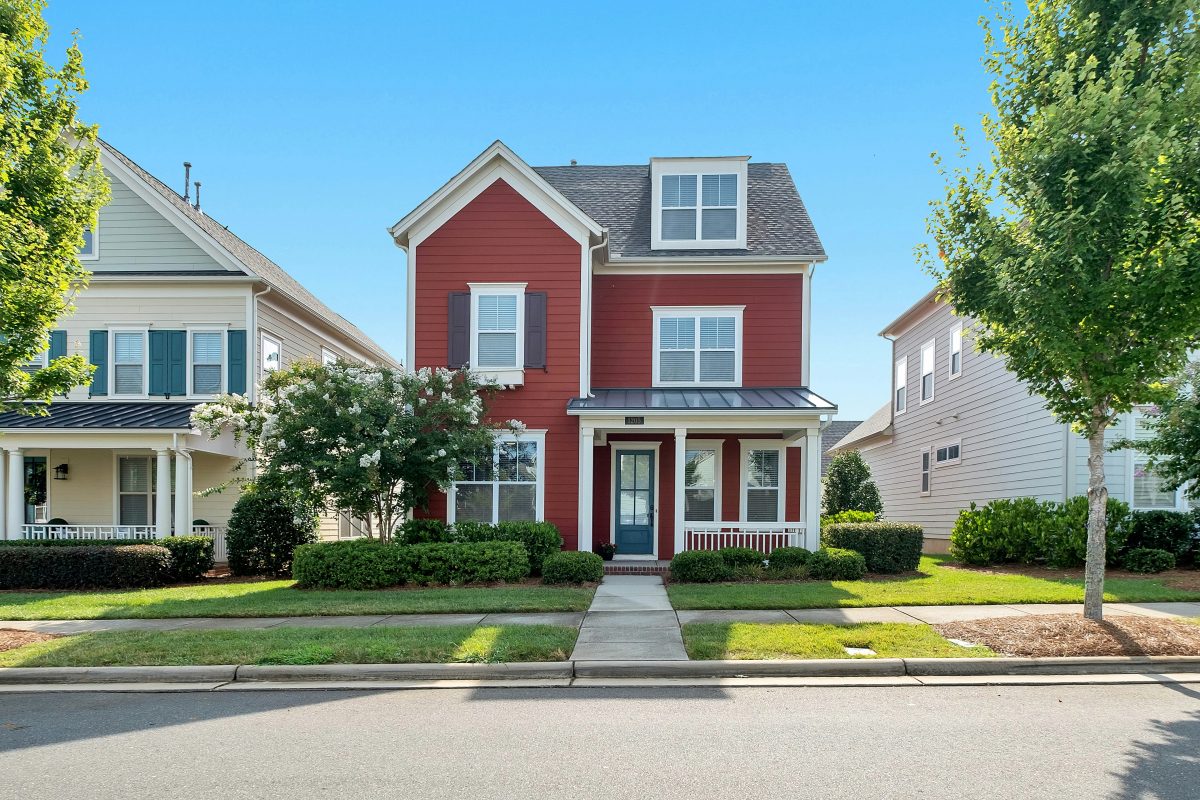
Photo by Zac Gudakov on Unsplash
Think of maintenance as a savings account. Every dollar you spend on small fixes saves you $10 down the road. It is the most effective way to manage the costs of owning a house.
Stay organized by keeping a log of all your repairs and inspections. This helps you track when things were last checked. Being proactive is the secret to a safe and affordable home for years to come.