What You Need to Know About Asbestos Exposure Risks
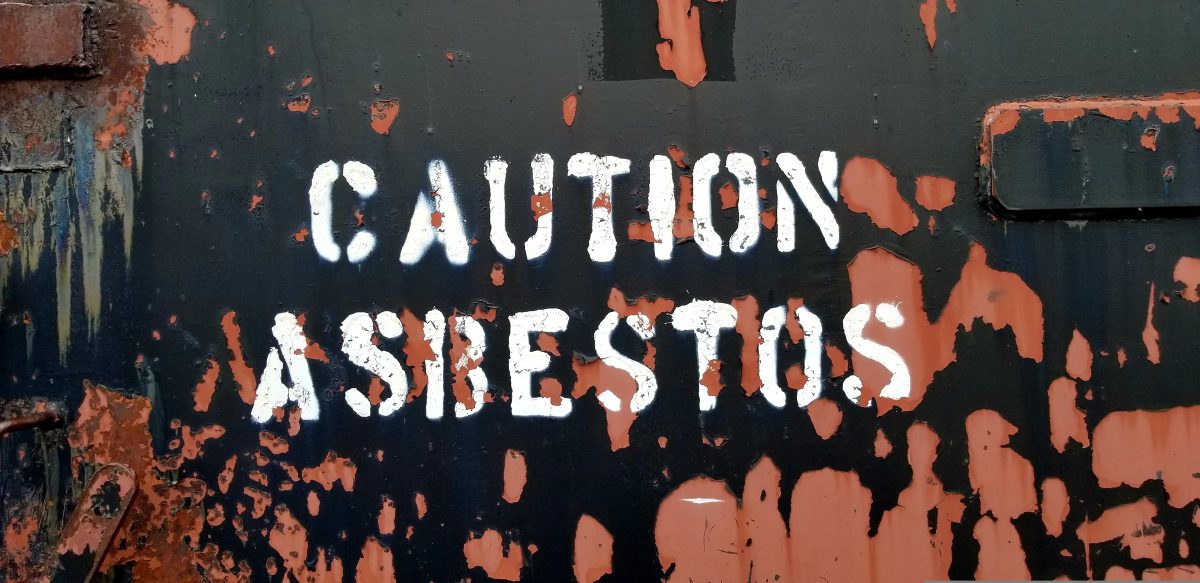
Image by Jennifer Beebe from Pixabay
Despite decades of regulation, the Environmental Protection Agency estimates that roughly 1.3 million construction workers face potential asbestos exposure each year in the United States — a stark reminder that this carcinogenic mineral remains embedded in millions of buildings nationwide. While most people associate asbestos dangers with industrial workers from the 1970s, today’s risks often emerge during routine home renovations, building maintenance, and even natural disasters that disturb older structures.
The challenge extends beyond occupational settings. Homeowners, contractors, and emergency responders regularly encounter asbestos-containing materials without realizing it, particularly in buildings constructed before 1980. As aging infrastructure continues to deteriorate and renovation projects surge across the country, understanding when and how exposure occurs has become essential for protecting public health.
This knowledge gap matters because asbestos-related diseases can take decades to manifest, making prevention the only effective defense. For anyone living or working in older buildings, renovating property, or involved in construction trades, recognizing exposure pathways, symptoms, and protective measures can literally be life-saving. The following examination reveals how asbestos affects human health, identifies the most common exposure scenarios, and provides practical guidance for reducing risks through awareness and testing.
How Does Asbestos Exposure Affect Human Health?
When asbestos fibers become airborne and enter the respiratory system, they trigger a cascade of biological responses that can persist for decades. Unlike many toxic substances that the body can process and eliminate, asbestos fibers are virtually indestructible. Once inhaled, these microscopic needles lodge deep in lung tissue, where the body’s immune system attempts unsuccessfully to break them down or expel them.
The immune system’s prolonged battle against these foreign fibers creates chronic inflammation, which gradually damages healthy lung tissue. This inflammatory response is what makes asbestos exposure so insidious — the body’s natural defense mechanism becomes the source of long-term harm. Over time, this process leads to scarring, cellular damage, and in many cases, the development of serious diseases.
Mesothelioma represents the most severe consequence of asbestos exposure, a rare but aggressive cancer that develops in the protective lining surrounding the lungs, heart, or abdomen. This disease is almost exclusively linked to asbestos exposure and typically emerges 20 to 50 years after initial contact with the fibers. The prognosis remains poor, with most patients surviving less than two years after diagnosis.
Asbestos exposure also significantly increases the risk of lung cancer, particularly among individuals who smoke. The combination of asbestos fibers and tobacco creates a synergistic effect, multiplying cancer risk far beyond what either exposure would cause alone. Additionally, prolonged exposure can lead to asbestosis, a progressive lung disease characterized by severe scarring that makes breathing increasingly difficult over time.
The relationship between exposure duration and health outcomes isn’t always straightforward. While heavier, longer-term exposures generally pose greater risks, even brief encounters with high concentrations of asbestos fibers can potentially cause disease decades later. This unpredictability underscores why any known exposure deserves serious attention and appropriate medical monitoring.
What Factors Increase the Risks of Asbestos Exposure?
The most significant exposure risks today occur in environments where asbestos-containing materials become damaged, disturbed, or deteriorated. Buildings constructed before 1980 represent the primary concern, as asbestos was commonly used in insulation, floor tiles, ceiling materials, roofing products, and pipe coverings during this era. The danger isn’t simply having these materials present — it’s when they become friable, or easily crumbled, releasing fibers into the air.
Residential exposure often catches homeowners off guard during seemingly routine activities. Drilling holes in walls for mounting televisions, removing old vinyl flooring, or disturbing pipe insulation in basements can release substantial amounts of asbestos fibers. Many people discover the presence of these materials only after inadvertent exposure has already occurred, particularly in homes built during the 1950s through 1970s when asbestos use peaked.
Occupational settings continue to pose elevated risks, particularly for construction workers, plumbers, electricians, and building maintenance staff. These professionals regularly work in older buildings where asbestos-containing materials remain hidden behind walls, above ceilings, or within mechanical systems. The repeated nature of their exposure, combined with potentially inadequate protective equipment, creates cumulative health risks that can span entire careers.
Renovation and demolition activities represent some of the highest-risk scenarios for asbestos exposure. When contractors tear down walls, remove old insulation, or strip away layers of flooring without proper testing and precautions, they can release massive quantities of fibers into the air. These particles can remain airborne for hours and spread throughout buildings via ventilation systems, exposing not just workers but also nearby residents and passersby.
Natural disasters and building emergencies create unpredictable exposure scenarios. Fires, floods, and structural collapses can damage asbestos-containing materials and release fibers over wide areas. Emergency responders, cleanup crews, and displaced residents may all face exposure during these chaotic situations when proper protective protocols are difficult to implement. The urgency of emergency response often conflicts with the time needed to properly assess and manage asbestos risks.
The concentration and type of asbestos fibers also influence exposure severity. Amphibole asbestos, including types like amosite and crocidolite, tends to be more dangerous than chrysotile asbestos due to its needle-like structure and resistance to clearance from lung tissue. However, all forms of asbestos are considered carcinogenic, and no safe exposure threshold has been established by health authorities.
How Can You Recognize Asbestos Exposure Symptoms Early?
Asbestos-related health problems develop gradually, often remaining silent for decades before symptoms become apparent. This extended latency period means that respiratory issues appearing 15 to 40 years after exposure may still be connected to asbestos contact from much earlier in life. Persistent shortness of breath represents the most common early warning sign, initially noticeable only during physical exertion but potentially progressing to occur even at rest.
A chronic, dry cough that doesn’t respond to typical treatments often signals developing lung problems related to asbestos exposure. This cough may worsen over time and can be accompanied by unusual fatigue that interferes with daily activities. Many people initially attribute these symptoms to aging, smoking, or other respiratory conditions, delaying proper medical evaluation and diagnosis.
Chest pain and tightness frequently accompany advancing asbestos-related diseases, particularly as scarring progresses in lung tissue. This discomfort may feel like pressure or aching around the ribs and can worsen with deep breathing or physical activity. Some individuals also experience pain in the shoulder or upper back that seems unrelated to any injury or strain.
Changes in fingertip appearance, known as clubbing, can indicate advancing lung disease from asbestos exposure. This involves the fingertips becoming wider and rounder than normal, often accompanied by changes in nail curvature. While clubbing can result from various lung conditions, its appearance in someone with known asbestos exposure history warrants immediate medical attention.
The challenge with early detection lies in the non-specific nature of these symptoms. Shortness of breath, coughing, and chest discomfort can result from many conditions, making it crucial to inform healthcare providers about any potential asbestos exposure history, no matter how distant or brief. This information enables doctors to order appropriate imaging studies and pulmonary function tests that might reveal early signs of asbestos-related disease.
Regular medical monitoring becomes essential for anyone with known exposure history. Chest X-rays and CT scans can detect pleural plaques, lung scarring, and other changes associated with asbestos exposure before symptoms become severe. Early detection allows for better symptom management and helps distinguish asbestos-related conditions from other lung diseases with similar presentations.
What Prevention and Testing Methods Reduce Asbestos Exposure Risks?
Professional asbestos testing represents the most reliable method for identifying potential hazards before exposure occurs. Certified inspectors can collect samples from suspected materials and analyze them using polarized light microscopy or electron microscopy techniques. This testing should always precede any renovation or demolition work in buildings constructed before 1980, as visual identification of asbestos-containing materials is unreliable.
The timing of testing matters significantly. Materials that appear harmless when intact can become extremely dangerous when disturbed, so assessment should occur during the planning phase of any construction project, not after work has begun. Professional testing typically costs several hundred dollars but represents a minimal investment compared to the potential health consequences and legal liabilities of inadvertent exposure.
Personal protective equipment provides essential protection when asbestos exposure cannot be completely avoided. Proper respiratory protection requires N95 masks at minimum for limited exposure, while more extensive work demands full-face respirators with P100 filters. However, these measures work only when combined with proper decontamination procedures, including disposable clothing and thorough washing before leaving work areas.
Containment strategies help prevent the spread of asbestos fibers during unavoidable disturbance activities. This involves sealing off work areas with plastic sheeting, using negative air pressure systems, and wet methods to suppress fiber release. Professional abatement contractors employ these techniques routinely, but homeowners should never attempt DIY removal of materials suspected to contain asbestos.
Federal regulations under the Occupational Safety and Health Administration establish exposure limits and safety protocols for workplace environments, while the Environmental Protection Agency regulates asbestos in buildings and consumer products. These standards require specific training, protective equipment, and disposal methods for anyone working with asbestos-containing materials professionally. When dealing with asbestos-related health issues or seeking compensation for exposure-related diseases, individuals often benefit from consulting with experienced mesothelioma lawyers who understand both the medical and legal complexities of these cases.
Regular air monitoring during and after potential exposure activities helps verify that protective measures are working effectively. Professional monitoring equipment can detect airborne fiber concentrations and ensure they remain below established safety thresholds. This monitoring becomes particularly important in occupied buildings where exposure could affect multiple people beyond those directly involved in the work.
The most effective prevention strategy remains avoiding disturbance of suspected asbestos-containing materials whenever possible. Many materials can be safely managed in place through encapsulation or enclosure rather than removal, especially when they remain in good condition and aren’t likely to be disturbed by future activities. This approach eliminates exposure risk while often proving more cost-effective than full removal.
Understanding when and where asbestos exposure occurs empowers individuals to make informed decisions about their environment and health. While the legacy of past asbestos use continues to create risks in older buildings, proper awareness, testing, and professional guidance can effectively prevent new exposures. The key lies in taking potential asbestos seriously enough to verify its presence before any disturbance activities begin, rather than discovering its existence through unprotected exposure.