Simple Steps to Take After Getting a Dental Filling
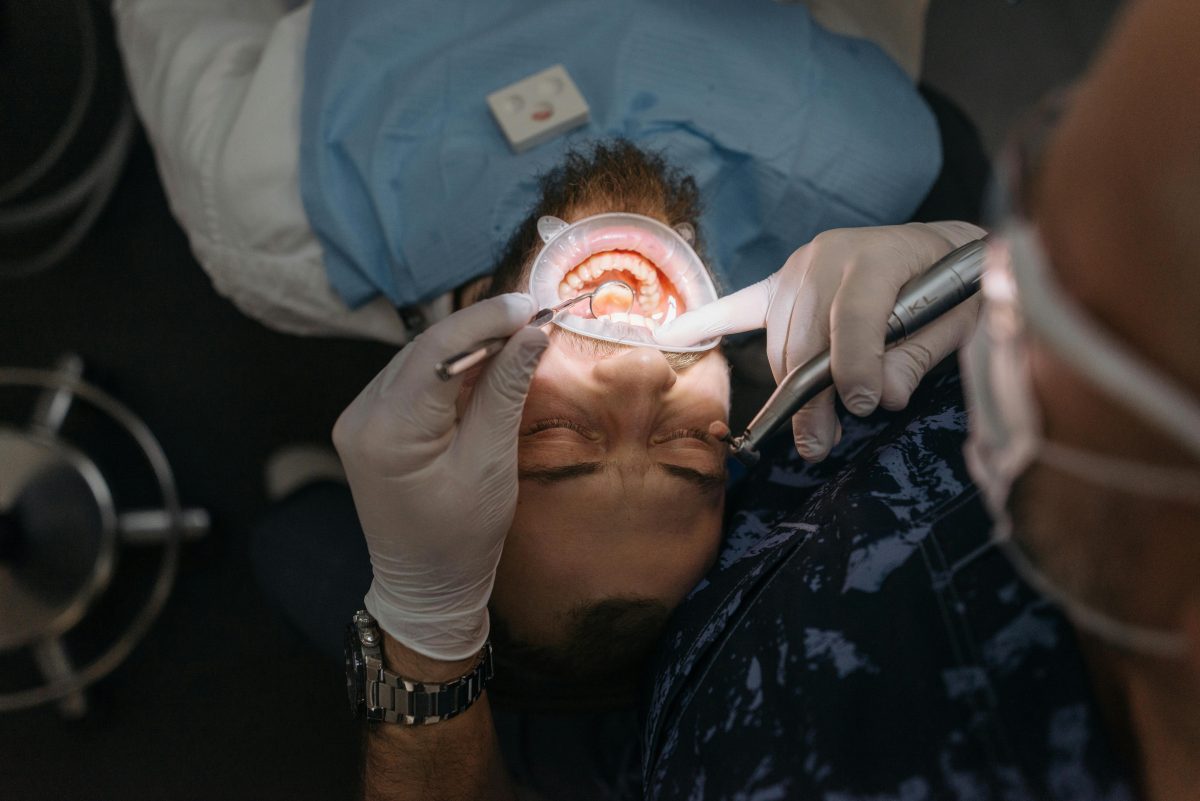
According to the American Dental Association’s 2023 guidelines, proper aftercare during the first 48 hours after a dental filling can extend its lifespan by up to 15 years — yet most patients receive only basic verbal instructions before leaving the dental chair. As dental technology advances with new composite materials and precision techniques, the gap between optimal healing outcomes and typical patient experiences continues to widen. Many people treat their mouth normally within hours of the procedure, unknowingly compromising both their comfort and the filling’s long-term success.
Consider someone who gets a large posterior filling on a Friday afternoon, then spends the weekend drinking hot coffee, chewing ice, and maintaining their regular brushing routine. By Monday, they’re dealing with sharp sensitivity, a rough bite, and potential irritation around the filling site — complications that proper aftercare could have prevented entirely. The reality is that a dental filling, regardless of material, needs time to settle and integrate with your natural tooth structure.
Understanding the specific steps that support this integration process isn’t just about avoiding discomfort — it’s about protecting an investment in your oral health that should last decades, not years.
What Are Essential Aftercare Steps During the First 24 to 48 Hours
The immediate post-procedure window represents the most critical phase for filling success, when the restoration material is still adapting to your mouth’s unique environment. During this period, composite fillings continue their curing process even after the dental light exposure, while amalgam fillings gradually harden to their full strength. Your awareness of this ongoing process shapes every decision about eating, drinking, and oral care.
Avoid chewing on the treated side for at least two hours after the procedure, extending this to six hours for larger fillings. The numbness from local anesthetic masks your natural bite pressure, making it easy to apply excessive force that could dislodge or crack the new restoration. Even after sensation returns, the filling material needs time to reach optimal hardness.
Manage any swelling or tenderness around the injection site with cool compresses applied externally for 10-15 minutes at a time. This is particularly important for patients who required multiple injections or had extensive work done. The cold helps constrict blood vessels and reduce inflammatory response, but avoid ice directly against the teeth, which can trigger sensitivity.
Rest your jaw muscles by avoiding excessive talking, yawning widely, or clenching during the first day. Dental procedures naturally cause some muscle fatigue, and overworking these muscles while your bite is still adjusting can lead to prolonged soreness. If you’re prone to teeth grinding, be especially mindful as the new filling changes your bite pattern slightly.
The saliva production in your mouth also changes temporarily after dental work, often increasing as your body responds to the new restoration. This is normal and actually helps wash away any residual debris from the procedure while beginning the natural integration process.
How Does Diet Affect Healing and Dental Filling Longevity
Your food choices during the first few days directly influence both immediate comfort and long-term filling performance, particularly because your bite sensitivity and alignment are still stabilizing. The relationship between diet and filling success extends far beyond simply avoiding hard foods — it encompasses temperature, acidity, and even timing of consumption.
Temperature sensitivity peaks during the first 48 hours as the filling material adjusts to your tooth’s natural expansion and contraction cycles. Hot beverages can cause composite materials to expand slightly, while cold foods trigger contraction, both potentially creating micro-gaps at the filling margins. Room temperature or lukewarm foods and drinks minimize this thermal stress during the critical adjustment period.
Acidic foods and beverages pose a particular challenge for new composite fillings, which are more vulnerable to acid erosion during their first week. Citrus fruits, tomato-based sauces, wine, and sodas can soften the filling surface before it reaches full hardness. This doesn’t mean permanent avoidance, but rather strategic timing — consuming acidic items with meals rather than alone, and rinsing with plain water afterward.
Sticky and chewy foods create pulling forces that can dislodge a filling that hasn’t fully bonded. Caramel, taffy, gum, and even sticky rice can grip the restoration and create enough torque to break the seal with your natural tooth. The risk is highest with large fillings that cover significant tooth surface area.
Consider hydration as an active component of healing rather than just comfort. Adequate water intake helps maintain optimal saliva flow, which carries minerals that support the remineralization process around the filling edges. Dehydration can slow this natural repair mechanism and extend the period of temperature sensitivity.
Interestingly, the sequence of eating matters as much as food selection. Starting meals with non-acidic, room-temperature foods allows your mouth to adjust gradually, while ending with a water rinse helps clear any particles that might lodge against the new restoration.
How Can Patients Manage Sensitivity, Pain, and Bite Adjustment After Fillings
Post-filling discomfort varies significantly based on the cavity’s depth, filling size, and individual pain tolerance, making personalized management strategies essential for optimal recovery. Understanding what constitutes normal versus concerning symptoms helps patients respond appropriately while avoiding unnecessary anxiety about the healing process.
What Are Effective Ways to Handle Sensitivity and Pain Relief
Normal sensitivity typically manifests as brief, sharp responses to temperature changes or pressure, lasting seconds rather than minutes. This occurs because the filling placement process temporarily irritates the tooth’s nerve, which needs time to settle back to its baseline state. Most patients experience peak sensitivity during days 2-4 post-procedure, with gradual improvement over the following week.
Over-the-counter pain management proves most effective when started before the local anesthetic wears off completely. Ibuprofen works particularly well because it addresses both pain and inflammation around the tooth, while acetaminophen can be alternated with ibuprofen for stronger relief. The key is consistent dosing for the first 24-48 hours rather than waiting for pain to become severe.
For those seeking professional dental filling treatment that minimizes post-procedure discomfort, advanced placement techniques and material selection can significantly reduce sensitivity duration. However, even with optimal procedures, some degree of adjustment remains normal.
Desensitizing toothpaste containing potassium nitrate can provide relief when used starting the day after the procedure, though it requires several days of consistent use to show effect. Apply it directly to the sensitive area for two minutes before your regular brushing routine.
Avoid testing the filling by deliberately exposing it to hot or cold stimuli. This reflex tendency to “check” sensitivity actually prolongs the nerve irritation and delays the natural desensitization process that occurs when the tooth is left undisturbed.
How Should Patients Adjust to Changes in Bite and Filling Texture
Bite changes after filling placement are common because even microscopic height differences feel significant to your highly sensitive bite awareness. Your jaw muscles and TMJ system need time to adapt to the new contours, particularly with large fillings that alter significant chewing surfaces.
The “high spot” sensation often resolves naturally within a week as the filling material settles and your bite muscles adjust their patterns. However, persistent discomfort when biting down, especially if it’s preventing you from closing your teeth normally, requires professional adjustment. Don’t attempt to “wear down” a high filling by chewing excessively, as this can damage both the restoration and opposing teeth.
Texture differences between the new filling and your natural tooth structure create temporary awareness that gradually fades as your tongue and cheek tissues adapt. Composite fillings initially feel smoother than natural tooth enamel, while amalgam fillings may feel slightly rougher until they polish naturally through normal use.
Floss catching on filling margins is common immediately after placement and usually improves as the restoration settles. Gentle flossing helps identify whether the catching is due to temporary swelling or an actual overhang that needs professional smoothing.
What Oral Hygiene Practices Support Recovery After a Dental Filling
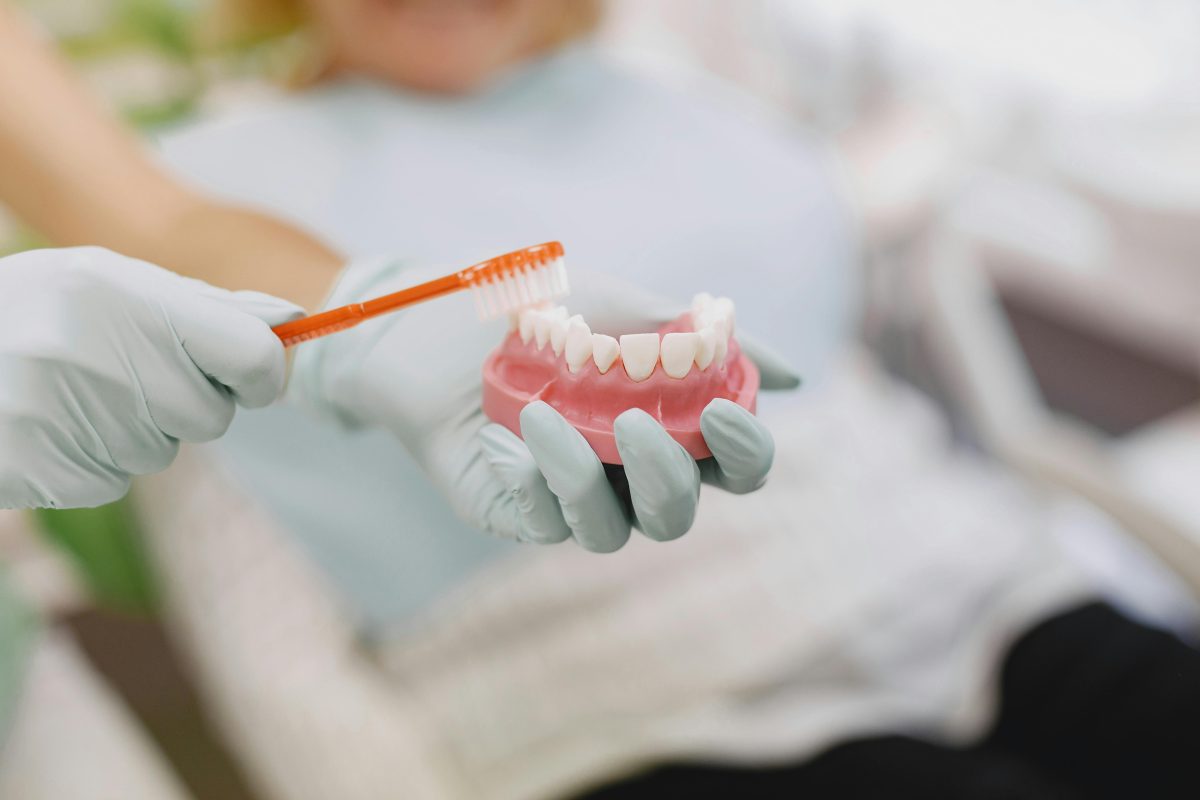
Modified oral hygiene during the first week after filling placement protects the restoration while supporting the natural healing process around the treatment site. Your regular routine needs temporary adjustments that account for increased sensitivity and the settling process of new materials.
Gentle brushing becomes crucial during the initial healing period, using a soft-bristled toothbrush with minimal pressure around the filled tooth. The area may be tender not just from the filling itself, but from the rubber dam clamp or retraction used during the procedure. Brush normally but avoid aggressive scrubbing motions that could irritate healing tissues or dislodge a restoration that’s still settling.
Fluoride toothpaste provides additional protection during this vulnerable period when the tooth structure around the filling may be temporarily more porous. The fluoride helps remineralize these areas and creates a protective barrier against bacteria. Some dentists recommend prescription-strength fluoride toothpaste for patients with large fillings or those at higher risk for secondary decay.
Flossing requires technique modifications for the first few days, particularly around the treated tooth. Use a gentler threading motion and avoid snapping the floss against the gum line, which may be tender from the procedure. If flossing causes significant discomfort, antimicrobial mouth rinse can provide temporary supplemental cleaning until normal flossing comfort returns.
Mouth rinses serve different purposes depending on their formulation. Saltwater rinses (half teaspoon in warm water) reduce inflammation and promote healing, while alcohol-free antimicrobial rinses help control bacteria without causing excessive drying. Avoid alcohol-based rinses during the first few days, as they can increase sensitivity and potentially interfere with composite bonding.
Timing of oral hygiene matters more than usual during recovery. Brush before meals when possible to remove bacteria that could interact with food particles, and wait at least 30 minutes after eating acidic foods before brushing to avoid enamel softening effects.
The goal is maintaining cleanliness without disrupting the delicate integration process between your natural tooth and the new restoration material.
When and Why Should Patients Seek Professional Help Post Filling
Distinguishing between normal healing responses and complications requiring professional intervention prevents minor issues from becoming major problems. Most post-filling concerns resolve naturally, but specific warning signs indicate when immediate dental attention becomes necessary.
Severe or worsening pain beyond the third day post-procedure, especially pain that keeps you awake or requires prescription medication, suggests possible nerve inflammation or infection. While some discomfort is expected, escalating pain indicates complications that won’t resolve on their own.
Signs of infection include persistent throbbing, facial swelling, fever, or a bad taste that doesn’t improve with rinsing. These symptoms can develop if bacteria entered deep into the tooth during the filling process or if the restoration isn’t sealing properly against the tooth margins.
Bite problems that persist beyond a week or worsen over time require professional adjustment. Your bite should feel comfortable and natural within several days — continued difficulty chewing or jaw pain when biting suggests the filling needs reshaping.
Filling damage or loss requires immediate attention regardless of pain level. A lost filling exposes the prepared tooth cavity to bacteria and food particles, risking rapid decay progression. Even small chips or cracks in the restoration can compromise its seal and longevity.
Follow-up appointments typically occur 1-2 weeks after filling placement, allowing your dentist to assess healing, check your bite, and make any necessary adjustments. These visits catch potential problems early and ensure optimal long-term outcomes.
Understanding these warning signs empowers you to seek appropriate care timing rather than either panicking over normal healing responses or ignoring genuine complications that need professional attention.