When to Worry About Your Child’s Wisdom Teeth
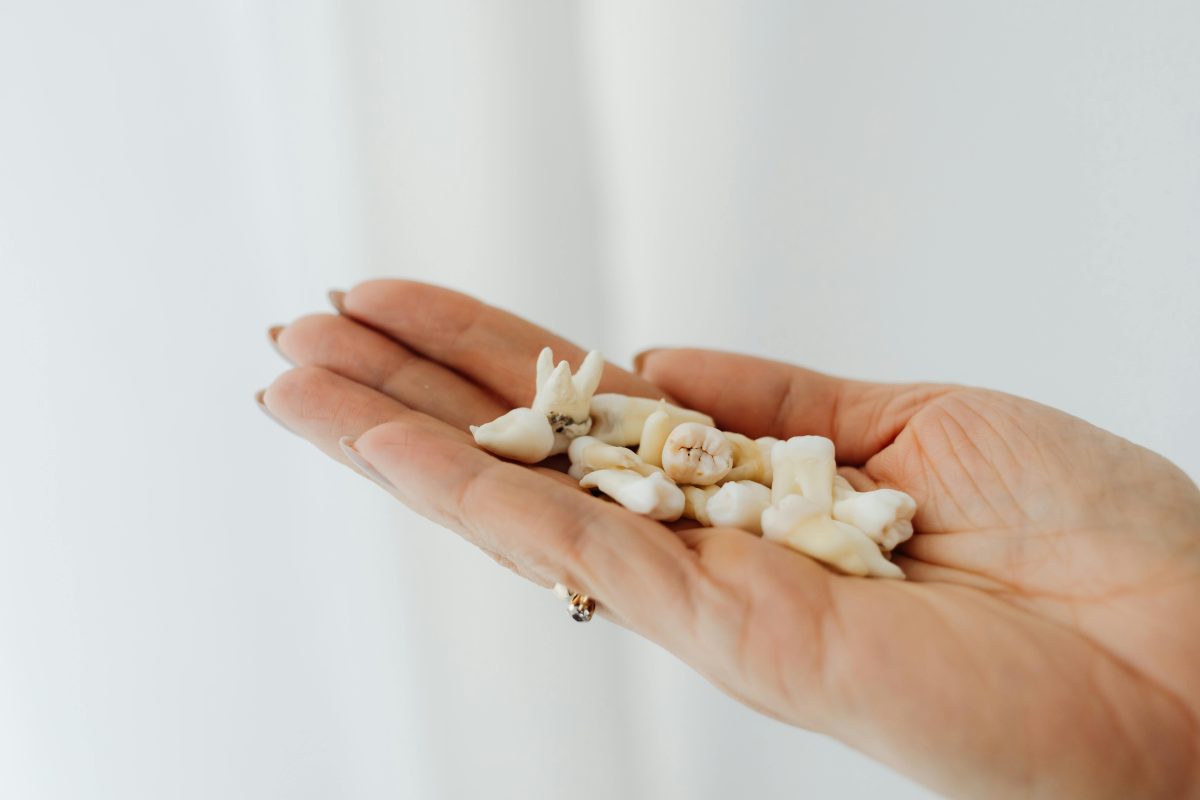
According to the American Dental Association’s 2023 oral health surveillance data, wisdom teeth problems affect nearly 85% of people at some point in their lives, with most complications emerging during the teenage years when these third molars first attempt to erupt. As pediatric dentistry increasingly emphasizes early intervention and prevention, parents find themselves navigating unfamiliar territory when their child’s wisdom teeth begin causing problems. The challenge lies in distinguishing between normal eruption discomfort and warning signs that signal serious complications requiring immediate attention.
The stakes are higher than many families realize. What starts as mild jaw discomfort can quickly escalate into infections, nerve damage, or displacement of adjacent teeth if left unchecked. Consider a 16-year-old who mentions occasional jaw pain after eating — within weeks, that mild discomfort could develop into a painful infection or impaction that affects their ability to open their mouth or concentrate at school. Understanding which symptoms demand urgent care versus those that represent typical growing pains can prevent minor issues from becoming major dental emergencies that disrupt your child’s daily life and require extensive treatment.
The following guide breaks down the specific warning signs that indicate when your child’s wisdom teeth have moved beyond normal eruption into territory requiring professional evaluation and potential intervention.
How to Recognize Early Warning Signs in Children
The earliest indicators of wisdom teeth problems often masquerade as everyday discomforts, making them easy to dismiss until they intensify. Persistent pain that lasts longer than a few days represents the most common red flag — different from the brief, occasional soreness that accompanies normal tooth eruption. This pain typically manifests as a dull ache in the back of the jaw that doesn’t respond to over-the-counter pain relievers and may worsen when your child opens their mouth wide or chews on that side.
Gum inflammation around the emerging wisdom tooth creates another early warning sign worth monitoring closely. Normal eruption causes some tissue swelling, but problematic cases show gums that remain red, swollen, and tender for extended periods. The affected area may feel warm to the touch and cause discomfort even when your child isn’t eating or speaking. This inflammation often indicates that the tooth lacks sufficient space to emerge properly, creating ongoing irritation as it attempts to push through the gum tissue.
Bleeding during routine oral care signals that something beyond normal eruption is occurring. While slight bleeding when brushing around a newly emerging tooth isn’t unusual, consistent bleeding that continues for more than a week suggests either infection or trauma from the wisdom tooth pressing against existing teeth or gum tissue. The blood may appear bright red, indicating acute irritation, or darker, suggesting deeper tissue involvement.
Pay particular attention to changes in your child’s eating habits or complaints about difficulty chewing on one side of their mouth. These functional changes often precede more obvious symptoms and can help identify problems before they become severe enough to cause significant pain or complications.
How Pain and Swelling Indicate Wisdom Teeth Problems
Understanding what causes wisdom teeth pain helps parents recognize when their child’s symptoms have moved beyond typical discomfort into concerning territory. The pain mechanism typically involves one of three underlying issues: nerve pressure, tissue irritation, or infection — each creating distinct patterns of discomfort that signal different levels of urgency.
What Causes Pain and Gum Inflammation
Nerve pressure develops when emerging wisdom teeth encounter insufficient space and begin pressing against the roots of adjacent molars or the jaw’s nerve pathways. This creates a deep, throbbing pain that often radiates beyond the immediate tooth area, sometimes extending into the ear, temple, or neck. The pressure builds gradually but can become intense enough to interfere with sleep or concentration, particularly when your child lies down and blood flow to the area increases.
Tissue irritation occurs when the wisdom tooth partially erupts, creating a flap of gum tissue that traps food particles and bacteria. This pericoronitis causes localized inflammation that makes the area extremely tender to touch. Your child may report sharp pain when biting down or feel like something is constantly stuck in that area. The irritation typically worsens with eating, especially foods with small particles like seeds or nuts that easily become lodged under the tissue flap.
If left unaddressed, this combination of pressure and bacterial buildup can lead to localized infections or painful abscesses. According to this dentist in Harrison TN, seeking a timely dental evaluation ensures these symptoms are managed effectively, preventing further discomfort and protecting the alignment of the surrounding teeth.
Swelling and Bleeding as Infection Warning Signs
Facial swelling that extends beyond the immediate gum area indicates that inflammation has progressed to deeper tissues, often signaling the beginning of a serious infection. Visible swelling in the cheek, jaw, or neck area requires immediate dental evaluation, particularly if accompanied by fever or difficulty swallowing. This type of swelling typically develops over 24-48 hours and may make your child’s face appear asymmetrical.
Bleeding gums around wisdom teeth become particularly concerning when accompanied by a persistent bad taste or odor that doesn’t improve with brushing and rinsing. This combination suggests bacterial infection has developed in the tissue surrounding the partially erupted tooth. The bleeding may occur spontaneously or with minimal pressure, and the surrounding tissue often appears darker red or purple rather than the healthy pink of normal gum tissue.
Professional wisdom tooth pain relief for kids becomes essential when these infection warning signs appear, as untreated dental infections can spread to other areas of the head and neck, creating serious complications that extend far beyond the original tooth problem.
How Functional Symptoms Affect Jaw Movement and Comfort
When wisdom teeth problems begin affecting your child’s ability to perform normal functions like eating, speaking, or opening their mouth, the situation has typically progressed beyond simple eruption discomfort. These functional limitations often indicate that the emerging tooth is creating mechanical interference with jaw movement or putting pressure on sensitive structures.
Jaw Pain, Stiffness, and Limited Mouth Opening
Trismus, or difficulty opening the mouth fully, represents one of the most significant functional warning signs. Your child may struggle to take normal-sized bites of food, have trouble brushing their back teeth effectively, or find it uncomfortable to yawn or speak loudly. This limitation typically results from muscle spasm caused by inflammation around the wisdom tooth or from the tooth physically blocking normal jaw movement patterns.
The stiffness often feels worse in the morning after a night of unconscious jaw clenching, and may be accompanied by clicking or popping sounds when your child attempts to open their mouth wide. Unlike temporary soreness from dental work, this type of limitation persists and may gradually worsen over several days or weeks. Pay attention to changes in how your child chews their food — favoring one side consistently or cutting food into smaller pieces than usual often indicates developing functional problems.
Numbness and Tingling from Nerve Compression
Nerve-related symptoms create some of the most concerning warning signs because they suggest the wisdom tooth is affecting major nerve pathways in the jaw. Your child may report numbness, tingling, or a “pins and needles” sensation in their lower lip, chin, or tongue — typically on the same side as the problematic wisdom tooth. These sensations can be constant or intermittent but represent potential nerve damage that requires immediate professional evaluation.
The inferior alveolar nerve, which provides sensation to the lower teeth and lip, runs very close to where lower wisdom teeth develop. When these teeth grow in abnormal positions or become impacted, they can compress this nerve, creating symptoms that extend well beyond the tooth itself. Any numbness that persists longer than a few hours or progressively worsens indicates a dental emergency requiring urgent intervention to prevent permanent nerve damage.
Recognizing Impacted Wisdom Teeth and Their Effects on Oral Health
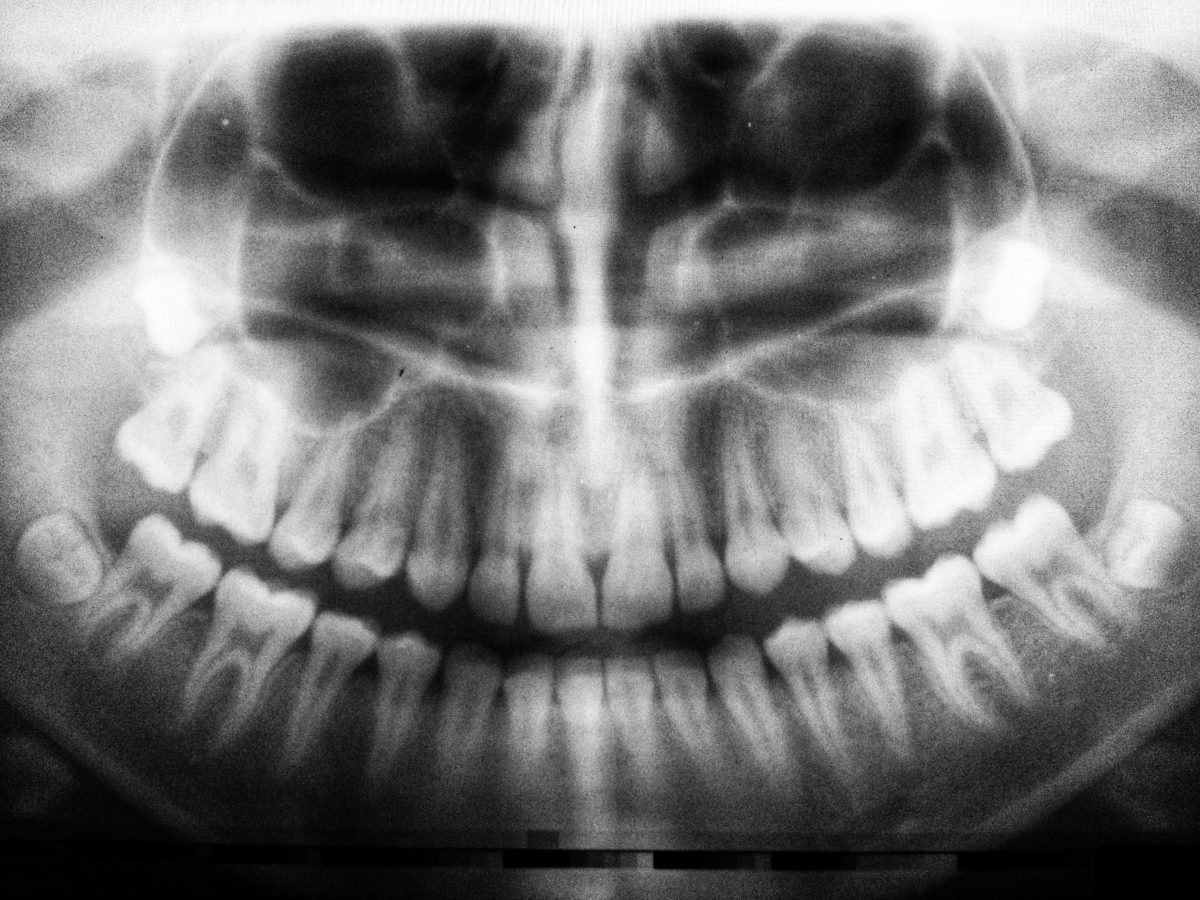
Impacted wisdom teeth create a cascade of problems that extend far beyond the immediate area, often affecting your child’s overall oral health and comfort. Soft tissue impaction occurs when the wisdom tooth partially emerges but remains covered by gum tissue, while hard tissue impaction involves the tooth being blocked by bone or adjacent teeth. Both types create distinct patterns of symptoms that help identify the underlying problem.
The pressure from impacted wisdom teeth often causes chronic headaches that your child may not initially connect to dental problems. These headaches typically occur on the same side as the impacted tooth and may worsen throughout the day as jaw muscles become fatigued from compensating for the disrupted bite pattern. The pain may also radiate into the neck and shoulders as the body attempts to adjust to the altered jaw position.
Crowding of adjacent teeth represents another serious consequence of wisdom tooth impaction that affects long-term oral health. The pressure from impacted wisdom teeth can cause previously straight teeth to shift position, particularly the second molars directly in front of them. Your child may notice their teeth feeling different when biting together or see visible changes in tooth alignment, especially if they’ve previously had orthodontic treatment.
Impacted wisdom teeth also create hard-to-clean areas where bacteria accumulate, leading to decay not just in the wisdom tooth itself but in the adjacent healthy molars. This bacterial buildup often produces a persistent bad taste or odor that doesn’t improve with normal brushing and flossing, because the affected areas remain inaccessible to routine oral hygiene. The infection risk extends beyond the immediate area, potentially affecting the gum tissue and bone supporting multiple teeth.
Sinus problems occasionally develop when upper wisdom teeth become impacted, as their roots may extend into or near the sinus cavity. Your child might experience pressure or congestion in the upper jaw that seems unrelated to any cold or allergies, particularly if these symptoms worsen when bending forward or lying down.
When to Seek Urgent Dental Care for Wisdom Teeth
Certain wisdom teeth symptoms demand immediate professional attention because they indicate serious complications that can affect your child’s overall health. Fever accompanying dental pain always requires urgent evaluation, as it suggests the infection has progressed beyond localized gum inflammation to involve deeper tissues or has begun spreading systemically.
Difficulty swallowing or a feeling that the throat is closing represents a dental emergency, particularly when combined with facial swelling. This symptom indicates that infection or inflammation has spread to areas that could potentially affect breathing, requiring immediate medical intervention. Similarly, any severe pain that prevents sleep or doesn’t respond to appropriate pain medications suggests complications that need prompt professional management.
Persistent numbness lasting more than 24 hours indicates potential nerve involvement that could become permanent without timely treatment. The window for preserving normal nerve function may be limited, making early intervention critical for preventing long-term complications.
Watch for signs that your child’s overall well-being is being affected — loss of appetite, difficulty concentrating at school, or behavioral changes that coincide with wisdom teeth symptoms. These changes suggest the dental problem has progressed beyond something that can wait for a routine appointment, particularly in teenagers whose academic performance and social activities are important for their development.