How Specialty Pet Care in Reno Supports Pets with Complex Health Needs
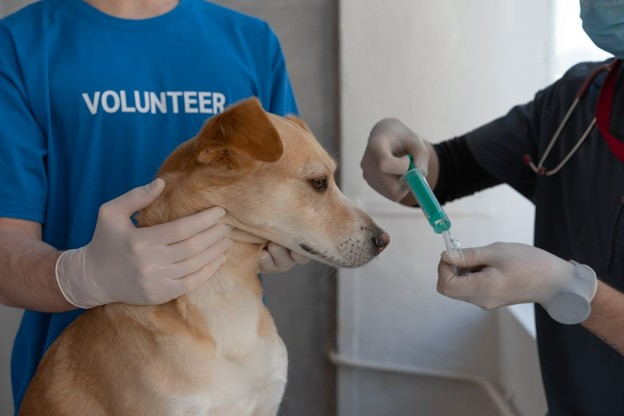
When a beloved family dog develops sudden seizures or a cat receives a cancer diagnosis, pet owners quickly discover that standard veterinary care has its limits. According to the American Veterinary Medical Association‘s 2023 workforce study, only about 15% of practicing veterinarians hold board certification in specialty fields — yet complex health conditions in pets have risen dramatically as animals live longer and receive more sophisticated medical attention.
This gap between need and availability has reshaped how pet healthcare works in cities like Reno, where specialty veterinary services have expanded rapidly to meet growing demand. Pet owners today face decisions their predecessors rarely encountered: whether their diabetic cat needs an endocrinologist, if their dog’s persistent skin condition requires dermatological intervention, or when a heart murmur demands cardiology expertise.
For families navigating these complex health challenges, understanding how specialty care differs from general practice — and when it becomes essential — can mean the difference between managing a condition effectively and watching it spiral beyond control. The landscape of specialty pet care in Reno offers more options than ever, but knowing how to access and evaluate these services requires insight into how modern veterinary medicine actually works.
How Does Specialty Pet Care Support Complex Pet Health Needs?
Complex pet health conditions operate on multiple levels simultaneously, often requiring diagnostic precision and treatment protocols that exceed what general veterinary practice can provide. Unlike routine wellness care or straightforward infections, conditions such as autoimmune disorders, advanced heart disease, or neurological problems demand specialized knowledge that comes from years of additional training and daily exposure to these specific cases.
Consider a dog diagnosed with immune-mediated hemolytic anemia — a condition where the immune system destroys red blood cells faster than the body can produce them. General veterinarians can identify the symptoms and provide initial stabilization, but managing the complex immunosuppressive protocols, monitoring for drug interactions, and adjusting treatment based on laboratory trends requires hematological expertise that most generalists encounter only occasionally.
Specialty care transforms outcomes for these cases through several mechanisms. Board-certified specialists complete additional residency training lasting three to four years beyond veterinary school, followed by comprehensive examinations in their field. This depth of focus means they’ve managed hundreds of similar cases and understand subtle treatment variations that can dramatically affect results.
The diagnostic capabilities available through specialty practices also exceed typical general practice resources. Advanced imaging like MRI and CT scanning, specialized laboratory panels, and procedures such as cardiac catheterization or arthroscopic surgery enable precise diagnosis where general practice might rely on educated guessing or trial-and-error treatment approaches.
Perhaps most importantly, specialty care provides continuity for chronic conditions that require ongoing management. A dog with epilepsy doesn’t just need initial seizure control — it needs regular medication monitoring, dosage adjustments based on seizure patterns, and coordination with other health conditions that may develop. Specialists maintain detailed protocols for these long-term relationships that general practitioners, managing dozens of different conditions daily, cannot match.
The collaborative model ensures pets receive both specialized intervention and comprehensive care, with specialists communicating regularly with primary veterinarians to maintain overall health while addressing specific complex needs.
What Are the Differences Between General and Specialty Pet Care?
The distinction between general and specialty veterinary care extends far beyond the types of cases each handles — it encompasses fundamentally different approaches to diagnosis, treatment, and ongoing management. General veterinarians function as primary care physicians, addressing wellness care, routine surgeries, common illnesses, and serving as the central coordinator for their patients’ overall health.
Diagnostic scope represents the most obvious difference. General practices typically maintain basic laboratory equipment, digital radiography, and ultrasound capabilities sufficient for diagnosing common conditions. Specialty practices invest in advanced imaging systems, specialized laboratory partnerships, and diagnostic equipment that can cost hundreds of thousands of dollars — resources that would be financially impractical for practices seeing primarily routine cases.
The treatment complexity varies significantly as well. General veterinarians excel at managing straightforward conditions and can handle many moderately complex cases, but they typically refer when conditions require specialized surgical techniques, intensive monitoring protocols, or medication regimens with narrow therapeutic windows. A diabetic cat, for example, might receive initial diagnosis and basic insulin management from a general veterinarian, but cases requiring insulin pump therapy or complicated by other endocrine disorders often benefit from specialized care for pets with endocrinology expertise.
Equipment and facility design also differs substantially. Emergency specialty centers maintain 24-hour staffing, intensive care units with constant monitoring, oxygen cages, and surgical suites designed for complex procedures. General practices focus on efficiency for routine care rather than the intensive monitoring capabilities needed for critical cases.
When Should Pets See a Specialist?
Several situations clearly indicate specialty consultation is appropriate, though the decision often involves collaboration between pet owners and their primary veterinarian. Diagnostic uncertainty after initial workup represents one common trigger — when standard tests don’t reveal the cause of persistent symptoms, specialists bring additional diagnostic tools and experience with rare conditions.
Treatment failure with standard protocols also signals the need for specialty input. If a pet’s condition doesn’t respond to conventional therapy within expected timeframes, specialists can explore alternative treatment approaches or identify underlying complications that weren’t initially apparent.
Complex surgical needs, particularly procedures requiring specialized equipment or techniques, typically warrant specialist involvement. General practitioners might refer orthopedic cases requiring advanced procedures, soft tissue surgeries requiring specialized reconstruction techniques, or any case where post-operative intensive care may be needed.
Emergency situations involving multiple organ systems, trauma requiring immediate advanced intervention, or conditions like bloat, severe toxin ingestion, or respiratory crisis often exceed general practice emergency capabilities and require immediate specialty center evaluation.
How Do Specialists Collaborate with General Veterinarians?
The most effective specialty care operates through collaborative partnerships rather than replacement relationships. Specialists typically provide detailed reports to referring veterinarians, including treatment recommendations, monitoring protocols, and clear guidelines for ongoing care that can be managed by the primary veterinarian.
Communication protocols ensure continuity between visits. Specialists often handle acute phases of treatment or periodic monitoring, while general veterinarians manage day-to-day medication administration, routine monitoring, and address other health needs that arise. This shared approach prevents pets from losing their primary care relationship while accessing specialized expertise when needed.
Emergency coordination between practices ensures pets can access appropriate care during crises. Many specialty centers maintain relationships with referring practices, providing after-hours consultation and clear protocols for when immediate specialty intervention is necessary versus when stabilization by the general practitioner is sufficient.
What Specialty Pet Care Services Are Available in Reno?
Reno’s specialty veterinary landscape encompasses most major disciplines found in human medicine, reflecting the city’s growing pet population and pet owners’ willingness to pursue advanced care. Internal medicine specialists handle complex medical conditions including endocrine disorders, gastrointestinal diseases, kidney disease, and autoimmune conditions that require sophisticated diagnostic approaches and long-term management protocols.
Surgical specialties include both soft tissue and orthopedic surgery, with practitioners trained in advanced techniques like laparoscopic procedures, complex reconstructive surgeries, and orthopedic procedures requiring specialized implants or techniques. These specialists often collaborate with anesthesia specialists who focus specifically on managing anesthesia for high-risk patients or complex procedures.
Cardiology services address heart conditions ranging from congenital defects to acquired heart disease, utilizing echocardiography, electrocardiography, and cardiac catheterization to diagnose and monitor treatment. Oncology specialists provide chemotherapy, radiation therapy, and surgical oncology services, often working in teams to develop comprehensive cancer treatment protocols.
Dermatology practices handle complex skin conditions, allergies, and autoimmune skin diseases that require specialized testing and treatment approaches beyond what general practice can provide. Neurology services address seizure disorders, spinal conditions, brain tumors, and other nervous system disorders using advanced imaging and specialized treatment protocols.
Behavioral medicine has emerged as an important specialty, particularly for complex behavioral issues that involve medical components or require specialized behavioral modification protocols that exceed basic training approaches.
Emergency Specialty Pet Care Options in Reno
Emergency specialty centers in Reno operate with 24-hour staffing including veterinarians trained in emergency and critical care, supported by veterinary technicians with specialized training in intensive care monitoring. These facilities maintain capabilities for immediate diagnostic imaging, emergency surgery, and intensive care monitoring for critically ill patients.
Trauma management capabilities include surgical suites equipped for emergency procedures, blood banking for transfusion medicine, and monitoring equipment for patients requiring intensive care. Many emergency centers also provide poison control consultation and maintain relationships with toxicology specialists for cases involving complex poisoning scenarios.
Critical care services support patients requiring intensive monitoring, mechanical ventilation, or other advanced supportive care measures. These facilities often serve as bridges to specialty care, stabilizing patients until specialist consultation can occur or managing cases that require both emergency intervention and specialty expertise.
Advanced Diagnostic and Surgical Services for Pets
Reno’s specialty practices offer advanced imaging capabilities including MRI and CT scanning, which enable precise diagnosis of neurological conditions, cancer staging, and orthopedic conditions that cannot be adequately evaluated with standard radiography. Nuclear medicine services provide specialized diagnostic imaging for certain conditions and therapeutic applications for specific diseases like hyperthyroidism in cats.
Minimally invasive surgical techniques include laparoscopy, arthroscopy, and endoscopic procedures that reduce recovery times and surgical complications compared to traditional open surgical approaches. Specialized anesthesia services enable safe anesthesia for high-risk patients, prolonged procedures, or patients with complex medical conditions that require sophisticated monitoring and support during surgery.
Advanced laboratory services provide specialized testing not available through general practice, including complex hormone panels, genetic testing, advanced cancer markers, and specialized infectious disease testing that requires specific laboratory capabilities.
What Role Do Multidisciplinary Teams and Technology Play in Specialty Pet Care?
Modern specialty veterinary medicine operates through integrated team approaches where multiple specialists collaborate on complex cases requiring expertise across different disciplines. A dog with cancer, for example, might work with an oncology team that includes a medical oncologist, surgical oncologist, radiation oncologist, and pain management specialist, all coordinating care to optimize treatment outcomes while maintaining quality of life.
Team communication protocols ensure all specialists involved in a case share information effectively, avoiding conflicting treatments and ensuring coordinated care. Regular case conferences allow teams to discuss complex cases, adjust treatment plans based on response to therapy, and plan for potential complications or treatment modifications.
Technology integration enables sophisticated monitoring and treatment approaches that were impossible just a decade ago. Digital imaging systems allow immediate sharing of diagnostic images between specialists, enabling rapid consultation and treatment planning. Electronic medical records designed for veterinary specialty care track complex treatment protocols, medication interactions, and long-term response patterns that inform ongoing care decisions.
Telemedicine capabilities increasingly allow specialists to provide consultation for cases in remote areas or offer follow-up care without requiring travel for routine monitoring visits. Advanced monitoring systems in intensive care units provide real-time data on multiple physiologic parameters, enabling rapid response to changes in patient condition.
Precision medicine approaches utilize genetic testing, pharmacogenomics, and individualized treatment protocols based on specific patient characteristics rather than one-size-fits-all treatment approaches. Artificial intelligence applications assist in diagnostic imaging interpretation, treatment planning, and outcome prediction, though these remain supplementary to clinical expertise rather than replacement tools.
Research integration in many specialty practices means pets can access cutting-edge treatments through clinical trials, often providing access to therapies not yet widely available while contributing to advancement of veterinary medicine for future patients.
The combination of collaborative expertise and advanced technology enables treatment of conditions that were previously untreatable, while improving outcomes and quality of life for pets with complex health needs that require sophisticated medical management.
How Can Pet Owners Choose the Right Specialty Pet Care in Reno?
Selecting appropriate specialty care requires evaluating factors beyond convenience or cost, though both matter in practical decision-making. Board certification represents the gold standard for specialty expertise — veterinarians earning board certification complete rigorous residency training and pass comprehensive examinations in their specialty field. However, some excellent practitioners may have extensive experience in specialty areas without formal board certification, particularly in rapidly evolving fields.
Facility capabilities should match the complexity of your pet’s needs. A pet requiring basic dermatology consultation may not need the same level of facility sophistication as one requiring emergency surgery with intensive care monitoring. Evaluating whether practices maintain appropriate equipment, staffing levels, and support services for your pet’s specific condition helps ensure optimal care.
Communication style and availability significantly impact the specialty care experience. Some specialists excel at managing complex cases but may have limited availability for ongoing communication. Others prioritize regular updates and accessibility but may have longer wait times for appointments. Consider your preferences for involvement in care decisions and need for regular updates when selecting providers.
Integration with your primary veterinarian facilitates coordinated care and often improves outcomes. Specialists who maintain good working relationships with referring veterinarians typically provide better continuity of care and clearer communication about ongoing management recommendations.
Rather than viewing specialty care as a replacement for primary veterinary care, the most successful outcomes typically result from viewing specialists as consultants who enhance your pet’s care team. The goal isn’t finding the “best” specialist in abstract terms, but finding the right combination of expertise, communication style, and practical accessibility that serves your pet’s specific needs while maintaining the primary care relationship that coordinates overall health management.
As specialty veterinary medicine continues advancing, the key for pet owners lies not just in knowing these services exist, but in understanding when to access them and how to evaluate whether the complexity of care matches the complexity of their pet’s needs. The right specialty care can transform outcomes for serious conditions, but the right timing and coordination matter as much as the expertise itself.