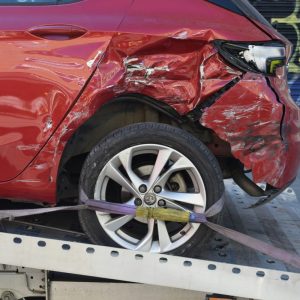
Insurance Considerations for Hauling High-Value Vehicles

Shipping a vintage car is not like shipping a regular vehicle.
One mistake and you could be facing a bill that costs more than your average family sedan. This is why insurance is more important than anything else when transporting a classic long distances.
Get it wrong and you could be writing six figure cheques out of pocket. Get it right and your dream car arrives safe with its value intact.
Here is what every owner needs to know before hauling a high-value ride.
In this guide:
- Why Vintage Vehicle Transport Needs Special Insurance
- The Real Risks Of Shipping A Classic
- Types Of Coverage To Look For
- What To Check Before You Book
- Common Mistakes Owners Make
Why Vintage Vehicle Transport Needs Special Insurance
Standard auto shipping insurance is built for standard cars.
But a 1967 Mustang or pre-war Bentley isn’t commonplace. These vehicles have value. Serious value. And that value can be appreciated each year that you own it.
Standard carrier insurance pays out depreciated cash value. That’s a nightmare for a classic. You spent $80,000 on the car and they’ll give you $12,000 based on some book number from years ago.
Which is why auto transport for antique vehicles requires a different insurance approach. When you book with reputable antique vehicle transport services you know the carrier already gets agreed value coverage and specialised care for classic cars. They know how valuable a numbers-matching engine bay is and why every ding in original paint lowers value.
Before we get into COJOs though, let’s address how gigantic the collector car market already is. In 2024, live and online auctions sold more than 80,000 cars combined. That’s a huge number of million-dollar assets moving across truck beds every week.
The Real Risks Of Shipping A Classic
Think shipping a car is low-risk?
Reconsider. Classic cars have issues that new cars do not. Each issue has the potential to become very expensive.
Here are the biggest risks:
- Paint damage: You can never completely restore original paint on a classic. One little chip can reduce value.
- Road debris: Open trailers leave your car exposed to rocks, weather, and grime.
- Loading damage: Low ground clearance on classics means scraping is usual on normal ramps.
- Fluid leaks: Old seals and gaskets hate sitting idle for days.
- Theft: High-value cars are targets, especially at truck stops overnight.
Now here is the kicker…
Typical carrier insurance excludes “cosmetic damage” or has deductibles that would offend a junk yard. So even if your carrier is insured, they may not be covered for what actually occurred to your vehicle.
Types Of Coverage To Look For
Transport insurance isn’t all created equal. Some policies seem good on paper but fail you miserably when you actually have a claim. Here’s what to look for.
Agreed Value Coverage
This is the most important one.
Agreed value is where you and the insurance company agree on the value of your vehicle while it sits still. In the event of a total loss you will receive this agreed amount. Not a depreciated amount.
Classic car insurance works this way. Coverage limits often need to be high because classic car market values frequently range from $25,000 to several million dollars.
Cargo Insurance With High Limits
Every carrier has cargo insurance. But the limits vary massively.
A standard auto transporter may have $100,000 of cargo insurance on the entire truck. If they happen to be transporting 8 cars? That leaves you with $12,500 per car. That’s hardly worth your vintage.
Look for high per vehicle limits. Try to match or exceed your cars agreed value.
Gap Coverage
Occasionally there is a gap between the coverage from your carrier’s insurance and your own policy. Gap coverage bridges that gap. That way you are not left battling two insurance companies while your car sits in a repair shop.
What To Check Before You Book
Before handing over the keys, do your homework.
Ask the transporter these questions:
- What is your per-vehicle cargo insurance limit?
- Do you offer enclosed transport only?
- Are you licensed with the FMCSA?
- Can you provide a certificate of insurance?
- What is your claims process if damage occurs?
If they cannot answer any of these on the spot… walk away.
Ask for the certificate of insurance in writing as well. Confirm directly with the insurer, not just the carrier. Some carriers have falsified these forms.
One thing though: Enclosed transport is REQUIRED for anything valued at $30,000 and up. Open trailers are for vehicles you don’t care about getting scratched up. If it’s worth any money, invest in four walls and a roof.
Common Mistakes Owners Make
Even smart collectors mess this up. Here are the biggest slip-ups to avoid.
Skipping The Pre-Ship Inspection
You need photos. Lots of them.
Shoot detailed pictures of all sides of the car before it loads. Inside wheel arches. Engine bay. Interior. Date/time stamp. If you don’t have proof, you won’t be able to fight damage afterwards.
Not Reading The Fine Print
All transport contracts have exclusions. Some exclude hail or flood “acts of God.” Some exclude less than a set dollar amount. Read every word.
Assuming The Cheapest Option Is Fine
The lowest price usually has the least coverage. That $500 you save can become $50,000 if something happens.
Ultra low cost airlines skimp on insurance also because it’s less expensive for them. Don’t be fooled by that.
Forgetting Personal Coverage
Carrier insurance should still not preclude you from having transport coverage as an addon to your own classic car policy. Most collector policies will allow you to include this for a nominal increase in premium. It’s belt and braces when insuring a truly valuable car.
Final Word
Vintage vehicle transport is one area where cutting corners just does not pay.
Insurance when hauling a classic is either the reason you show up with a six-figure car or it’s a claim nightmare waiting to happen. Don’t forget to:
- Get agreed value coverage in place before the truck arrives
- Verify per-vehicle cargo limits with the carrier
- Book enclosed transport only for high-value cars
- Document everything with photos and video
- Cross-check the carrier’s insurance certificate directly
Every collector car should be afforded the same amount of protection in transit as it does parked in the garage. After all, if it takes years for a vehicle to accrue value, one poor shipping choice shouldn’t undo that in one night.
Get the insurance right, and everything else falls into place.