A Beginner’s Guide to Off-Grid Living in a Tiny House
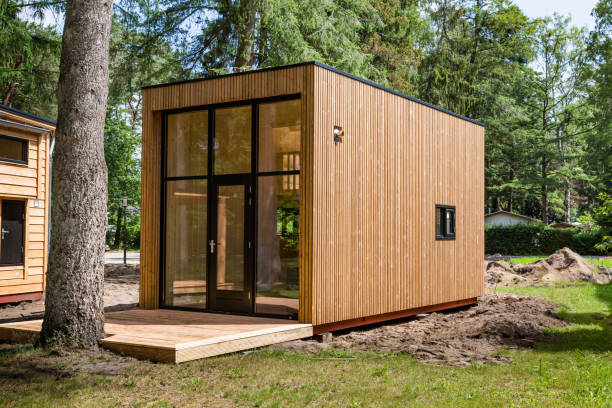
The dream of living off the grid in a tiny house has captured the imagination of thousands of people seeking a simpler, self-sufficient lifestyle. By moving away from public utilities and traditional housing, homeowners have the possibility of being financially independent, minimizing their environmental footprint, and being in closer communion with nature. But moving to an off-grid lifestyle is not a simple matter; it does need a bit of planning, the right gear, and an adjustment to daily habits. When starting, knowing the various systems required to operate a small home is the first step towards success in the long-term.
Harnessing Solar Energy for Daily Power
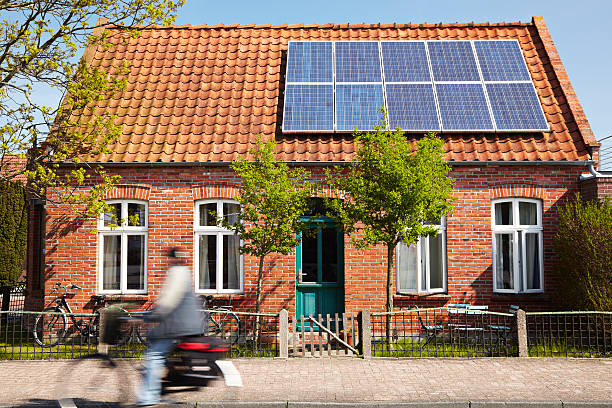
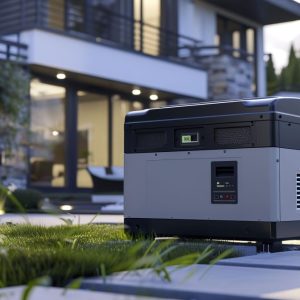
One of the most important factors to consider when moving off-grid is power. The majority of tiny homes with no grid connection are powered by solar panel systems for clean energy. The typical solar power system consists of solar panels, a charge controller, a battery bank, and an inverter. Exploring educational articles dedicated to off-grid living can help beginners calculate their daily energy usage and choose appropriate battery sizes. Efficient appliances and LEDs allow you to easily power critical electronics, refrigeration and keep your house lit without depleting stored power reserves.
Managing Water Collection and Storage
Another critical need for living independently is having a steady water supply. You can harvest rainwater from the roof of your home, transport fresh water from a clean water source or find a local well to tap into. The rainwater catchment system needs to be managed with a proper filtration and purification system so that the water is safe for drinking, cooking, and bathing. Additionally, conserving water becomes a top daily priority for off-grid living. Low-flow showerheads, aerated faucets, and efficient sinks will help your water to last as long as possible between refills.
Choosing Composting Toilets and Waste Systems
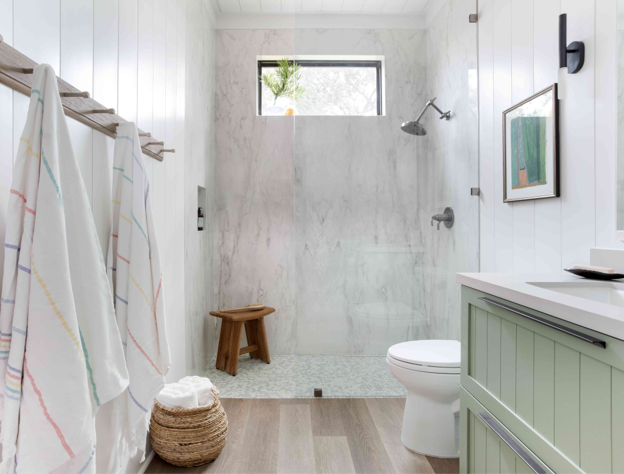
Conventional plumbing uses a sewer pipe or expensive septic tank, but can be impractical for smaller off-grid buildings. The composting toilet is an environmentally friendly and sanitary choice that reduces water consumption for the elimination of human waste and converts it into a natural fertilizer. These systems take liquid out of the solids, thus eliminating odors and as time passes, producing nutrient-laden compost. If the wastewater is generated from sinks and showers, it is known as greywater and can be filtered by the homeowner or through a drainage field. Properly dispose of waste and keep your local environment clean, and make your daily cleaning easier.
Efficient Heating and Climate Control
Efficient climate control methods are essential when it comes to keeping a comfortable temperature in a small house. Heating and cooling systems use much less energy in tiny homes, due to the small size of the interior volumes. In cold winters, small wood stoves are used for warmth and ambiance and are popular because they can use a small amount of firewood. During warm weather, high-efficiency mini-split heat pumps or well-placed windows for cross-ventilation help to move the air for cooling. The proper wall, floor, and ceiling insulation helps prevent the winter chill from seeping in and the summer heat from escaping.
Conclusion
Living off the grid with a tiny home is an empowering experience of true independence and peace of mind. If you are ready to invest the time and effort needed to establish a self-sustaining system, the results will be beneficial over the long-term. By mastering solar energy, water management, eco-friendly waste disposal, and efficient climate control, you can create a comfortable, low-impact lifestyle. Careful preparation ahead of time will guarantee a seamless and rewarding experience towards achieving full off-grid independence.