A Practical Guide to Sustainable 3PL Fulfillment and Last-Mile Delivery
If you run a shop or direct-to-consumer brand around Clinton or Jackson, online orders take more time. U.S. retail ecommerce sales reached $326.7 billion in the first quarter of 2026, up 9.8% from the year before and about 16.9% of total retail sales on a seasonally adjusted basis (U.S. Census Bureau). Buyers also expect faster delivery. One home delivery study found that shoppers now expect free deliveries to arrive in about 2.6 days on average, and one or two late deliveries can reduce the chance of a repeat purchase by roughly 20% (AlixPartners, 2026).
The good news for Mississippi sellers is that location helps. The I-20 and I-55 corridor meets near Jackson, which makes over-the-road freight and regional distribution practical, and the Postal Service reaches nearly every address in the state. This guide explains fulfillment basics, shows when outsourcing can make sense, and outlines sustainable choices that may also lower cost.
What fulfillment actually covers
Fulfillment is the full journey an order takes from your shelf to a customer’s door. It includes receiving inventory, storing and packing products, shipping orders, and handling returns and customer service (Amazon Seller resources). Accuracy matters at every step, because a wrong item or slow shipment can cost you a sale and, often, a repeat customer.
Every new seller needs a simple process for these five areas:
- Receiving: a reliable way to check in and count new stock.
- Storage: labeled shelves or bins so items are easy to find.
- Pick and pack: a repeatable routine that reduces mistakes.
- Shipping: labels, tracking, and a chosen carrier.
- Returns: clear steps for items coming back, restocking, and refunds.
Common fulfillment models
There are four common ways to handle fulfillment: self-fulfillment, third-party fulfillment (a 3PL), dropshipping, and a hybrid mix (Shopify guidance). Self-fulfillment fits very small order volumes where you can pack from home or a back room. Dropshipping passes packing to a supplier. A 3PL stores your inventory and ships orders on your behalf. A hybrid approach blends these options as you grow.
Where a 3PL fits
A few signs suggest you may be ready to outsource: you are running out of hours to pack, you sell across several channels, or your return volume is climbing. When you choose a provider, look beyond the lowest pick-and-pack fee. Location, shrinkage policies, service levels, integrations, and ecommerce experience all matter (Shopify).
Providers vary in scale and focus. Some 3PLs target smaller merchants, while others expect steady volume before they take you on. If you are consistently shipping 3,000 or more orders a month and want North American coverage with sustainability features, one provider worth reviewing is Go Bolt, which offers fulfillment plus last-mile delivery, including carbon-neutral options and electric vehicle delivery in select U.S. and Canadian metros. Check current service areas before you assume coverage in your region.
Last-mile options that fit small brands
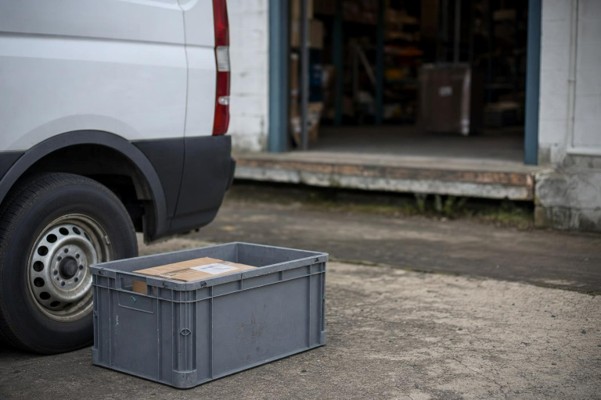
The last mile is the final leg of delivery to the customer. For many Mississippi sellers, USPS is a natural starting point because of its statewide reach. USPS Ground Advantage advertises 2 to 5 business-day delivery, includes tracking, and includes $100 of insurance per shipment (USPS). That mix of coverage and simplicity works well for early order volumes.
As you scale, one carrier may not be the best fit for every zone, package size, or delivery promise. Many retailers already use more than one option. In one industry survey, over 90% reported a mixed-carrier approach, and 55% used carriers beyond the three largest national names (AlixPartners, 2026). You do not need that complexity on day one, but the path exists.
Sustainable choices that also save money
Shipping is a meaningful part of the emissions picture. Transportation accounted for the largest share of gross U.S. greenhouse gas emissions in 2022, at 28.9% (EPA). Several practical moves can lower both cost and impact at the same time.
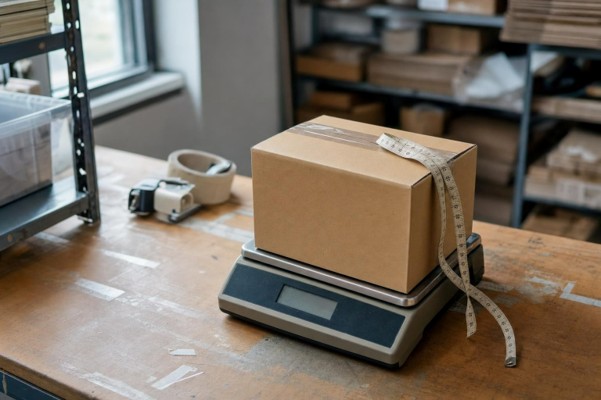
- Right-size your packaging to reduce dimensional (DIM) weight.
- Batch shipments so trucks and routes carry more per trip.
- Give clearer delivery estimates to reduce failed or repeated trips.
- Consider electric vehicle delivery where a carrier offers it.
What a sustainability-minded 3PL looks like
If you decide to outsource, a few hallmarks separate a practical sustainability program from a marketing claim: route optimization, carbon-neutral or electric vehicle options where available, returns processing that salvages resale inventory, recycled packing materials, and clear reporting you can actually read.
Use these vetting questions before signing anything:
- What key metrics do you report, and how often?
- Which sales platforms and tools do you integrate with?
- What are your exact service areas today?
- How do you handle returns, restocking, and damaged goods?
- What evidence supports your sustainability claims?
As one example of how vendors describe their efforts, Go Bolt says it offers carbon-neutral deliveries by prioritizing electric vehicle delivery and sequestering emissions when that is not possible. In a January 19, 2026 update, the company reported 2 million electric vehicle deliveries in 2025 and a 40% electric vehicle delivery share in the fourth quarter of 2025. Treat vendor figures as vendor claims and confirm what applies to your area.
A 30-day starter plan
You do not need to solve everything at once. A simple month can get your operation organized and make later decisions easier.
- Week 1: Count your typical order volume and list your SKUs.
- Week 2: Pick right-sized packing materials and set up labels and tracking.
- Week 3: Mock a return flow so you know the steps before a real return arrives.
- Week 4: Choose a starter carrier mix. If volume justifies it, draft a short request for proposals focused on service levels, integrations, and sustainability reporting. As your online business grows, it’s also worth understanding the broader opportunities for small retailers in ecommerce to help shape your long-term fulfillment strategy.
A practical path forward
Start simple. For most Clinton and Jackson sellers, postal delivery plus right-sized packaging covers the basics well, keeps costs reasonable, and lowers waste. Layer in multiple carriers or a 3PL only when your order volume clearly calls for it. If you reach the point where outsourcing fits, a partner like Go Bolt is one of several providers to compare while keeping cost, coverage, service levels, and sustainability in the same view. The goal is steady delivery your customers can count on.
Frequently asked questions
When should I switch to a 3PL?
Consider a 3PL when packing takes too much of your time, you sell across several channels, or returns are piling up. Compare providers on location, returns handling, integrations, and ecommerce experience, not price alone.
What should I measure each month?
Track your return rate, cost per order, and on-time delivery. These three numbers show whether your fulfillment process is improving and where to focus next.