How to Choose a Screw Piling Contractor: A Vetting Guide for Builders and Homeowners
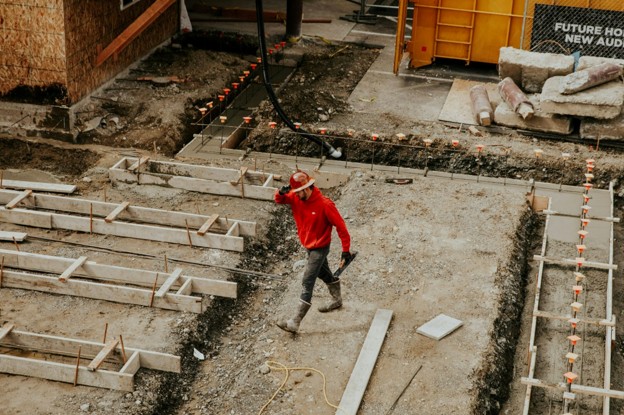
Foundation work is the one part of a build you cannot inspect once it is finished. Everything sits on top of it, and the difference between a good piling contractor and a poor one only becomes visible when something moves.
That makes contractor selection more important here than almost anywhere else on a project. This guide covers what to ask, what documentation to insist on, and the warning signs worth walking away from.
Key Takeaways
- Establish early whether the contractor manufactures the piles, installs them, or both, because it determines who is accountable.
- Insist on design and installation documentation certified by a chartered engineer, not just a design drawing.
- Ask how installation capacity is verified on site rather than assumed from the design.
- Check insurance, quality accreditation and whether installers are formally verified by the pile manufacturer.
- Nobody can quote accurately without geotechnical information, so treat a price given without it as an estimate.
Manufacturer, Installer, or Both?
Piling businesses split into three models and the distinction matters more than most clients realise.
Some manufacture piles and sell them wholesale, some install piles they buy in, and some do both under one roof.
The integrated model keeps accountability in one place. If a pile does not achieve its specified capacity, there is no argument about whether the problem was the product or the installation.
Where manufacture and installation are separate, ask who carries the design responsibility. It should be clear in writing before anyone starts, not discovered when there is a problem.
Some manufacturers operate a verified installer network, formally approving contractors to install their system.
That is a reasonable middle ground, since the installer has been assessed against the manufacturer’s standard rather than simply buying the product.
Who Certifies the Design?
Any contractor can produce a drawing. What you need is design and installation documentation certified by a chartered engineer, covering both what was specified and what was actually achieved.
Those are two different things, and it is worth being pedantic about it. A design certificate says the piles were correctly specified, while installation certification confirms the piles that went in achieved the design intent.
Ask when you receive the documentation and in what format. Building surveyors will want it; it forms part of your approval trail, and a future purchaser’s inspector will ask for it years later.
How Do They Verify Capacity On Site?
This is the question that separates the professional operators from the rest. Screw pile capacity correlates with the torque required to advance the pile, so installation torque should be monitored and recorded pile by pile.
Ask whether you receive that data. A contractor who records torque and hands over the log is demonstrating capacity rather than asserting it.
Ask what happens when a pile refuses early or drives deeper than designed. Both occur, and the answer should involve the engineer rather than a decision made on the spot to keep the day moving.
Insurance, Accreditation and Systems
Confirm public liability and professional indemnity cover before work starts, and check the amounts rather than accepting that cover exists. Professional indemnity matters here because design advice is part of what you are buying.
Quality accreditation is a useful secondary signal. ISO 9001, 14001 and 45001 cover quality, environmental and safety management, and a contractor holding them has documented systems rather than habits.
None of this substitutes for references. Ask for recent projects comparable to yours in scale and ground conditions, then actually call one.
Ask the referee about problems rather than outcomes. Every project hits something unexpected, and how the contractor behaved at that moment is more informative than whether the job finished.
Residential and Commercial Work Are Different Trades
A contractor who does high-volume residential piling is not automatically the right choice for an industrial slab, and the reverse is equally true. The equipment, the design loads and the documentation expectations all differ.
Residential work rewards speed, small-footprint machinery and the ability to work around an occupied house. Commercial and industrial work rewards higher capacity design, formal reporting and the capacity to coordinate with a project engineer.
Ask what proportion of their work matches your project type. A contractor stepping outside their usual scale is learning on your foundation.
Equipment and Site Access
Access shapes what is possible and it is frequently underestimated. A contractor with only large excavator-mounted rigs cannot work in a courtyard, behind a house, or inside an existing building.
Ask what equipment they will bring and confirm it fits your site. Send photos or arrange a site visit rather than describing the access over the phone.
Restricted access work costs more and takes longer. A contractor who tells you that upfront is being straight with you, not padding the quote.
Lead Times and Stock
Pile specification drives lead time. A standard size held in stock ships quickly, while a bespoke specification has to be fabricated, and that difference can be weeks.
Ask whether the piles for your job are stock items or made to order. Ask the same about accessories and brackets, since a delayed bracket stops the job just as effectively as a delayed pile.
Confirm the installation date is scheduled rather than indicative. Foundation delays cascade through every trade that follows.
Ask where the piles are actually manufactured. Locally produced piles generally mean shorter lead times and easier resolution if a specification changes mid-project.
How They Handle Ground Surprises
Ground conditions sometimes differ from the geotechnical report, and how a contractor deals with that tells you a great deal. Rock at unexpected depth, buried obstructions and unrecorded fill all occur.
Ask what the variation process looks like. You want to know who makes the call, whether the engineer is consulted before work continues, and how the cost is handled.
A contract that is silent on variations is a contract that will produce an argument. Get it addressed before signing.
Red Flags in a Piling Quote

A quote produced without geotechnical information is the biggest one. Nobody can specify pile depth or capacity without knowing what is underground, so a firm price offered before a soil report is an estimate wearing a suit.
Vague specification is the second. The quote should state pile type, shaft size, helix configuration, design capacity and estimated depth, not simply a pile count and a total.
Be cautious of anyone who dismisses certification as unnecessary paperwork, or who cannot explain how capacity is verified. Both suggest a contractor who has not had to answer to an engineer recently.
Finally, treat unusually low pricing with suspicion. Piling is a competitive market with fairly transparent costs, so a quote well under the others usually reflects a different specification rather than a better deal.
Questions to Ask Before You Appoint
The best screw piling contractors in Melbourne will answer all of the following without hesitating, and a contractor who becomes vague on any of them is telling you something useful.
Who designed the piles and who certifies them, is torque data recorded and handed over, what is your professional indemnity cover, and what happens if ground conditions differ from the report? Then ask for two recent comparable projects and contact details for both.
Blade Pile is an example of the integrated model, manufacturing its own piles, operating a verified installer network and issuing chartered engineer certification as a standard part of the process. Whoever you shortlist, hold them to the same set of questions rather than assessing them on price alone.
Conclusion
Piling contractors are not interchangeable, even though quotes for the same job can look similar on paper. The differences sit in design responsibility, verification and documentation, none of which appear in a headline price.
Get a geotechnical report first, ask every contractor the same questions, and insist on certified documentation at completion. That is a couple of hours of work that protects the entire structure above it.
Judge the answers as much as the prices. A contractor who explains the limits of what they know is usually safer than one who has an instant answer for everything.
Screw Piling Contractor FAQs
What should I look for in a piling contractor? Clear design responsibility, chartered engineer certification, recorded installation verification, adequate insurance and references on comparable projects.
Should the contractor also manufacture the piles? Not necessarily, but it simplifies accountability. If manufacture and installation are separate, confirm in writing who is responsible for the design.
What is a verified installer? A contractor formally approved by a pile manufacturer to install their system. It indicates assessment against the manufacturer’s standard rather than simply purchasing the product.
Do I need a soil report before getting quotes? Yes. Pile depth, capacity and configuration are all designed from geotechnical data, so a quote without it cannot be firm.
What documentation should I receive at completion? Design and installation documentation certified by a chartered engineer, ideally alongside installation records for each pile.
How is screw pile capacity verified? Installation torque correlates with capacity, so it should be monitored and recorded during installation rather than assumed from the design.
What insurance should a piling contractor hold? Public liability and professional indemnity. Check the cover amounts rather than just confirming that policies exist.
How deep can screw piles go? Depth depends on the project and the ground. In demanding cases they can reach 30 metres or more where conditions require it.
Can screw piles be installed in wet ground? Yes. The helical design allows installation in areas with high water tables, though the design should still account for the conditions.
How long does installation take? Often only a few days, depending on pile count, depth and site access. That is usually faster than traditional foundation methods.