What to Pack for College: A First-Year Student’s Dorm Checklist
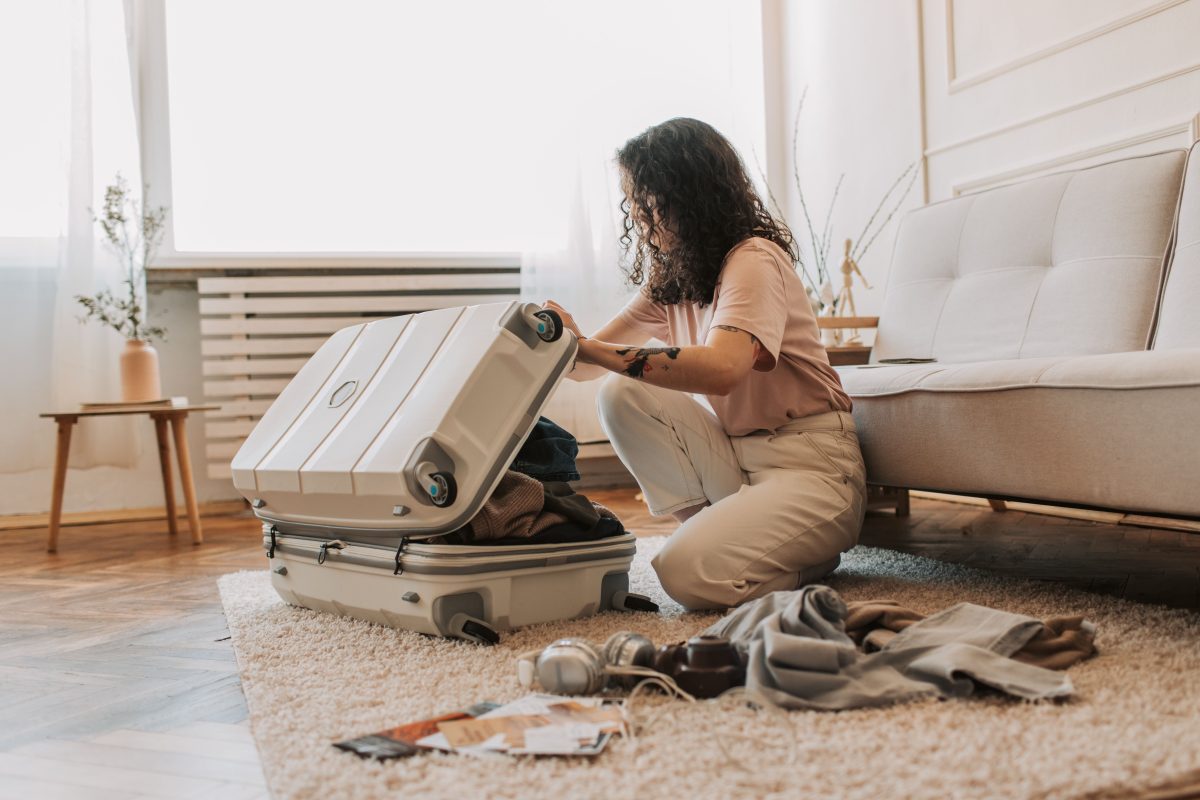
Moving into a college dorm is exciting, but packing for it can quickly become overwhelming. Your bedroom, study area, kitchen storage, and everyday living space may all need to fit into one fairly compact room. Pack too little, and you could spend your first week shopping for forgotten basics. Pack too much, and you may struggle to find somewhere to put everything.
A practical dorm checklist makes the process much easier. Instead of trying to prepare for every possible situation, focus on what you will actually use for sleeping, studying, getting ready, eating, and keeping your room comfortable.
Start With Your Dorm Room Details
Before buying storage boxes or filling the car, check what your college already provides. Many dorm rooms come furnished with a bed, mattress, desk, chair, dresser, and closet or wardrobe, although the exact setup varies.
You should also check the rules for your residence hall. Some colleges restrict certain appliances, candles, extension cords, or other items that could create a fire risk. Knowing the rules beforehand can save you from packing something you cannot use.
If possible, find out your mattress dimensions, available storage space, and whether you will share a bathroom. Once you have these details, divide your packing list into categories and work through them one at a time.
Pack for Comfortable Sleep
Dorm rooms serve several purposes, but they are still bedrooms first. A comfortable sleep setup should therefore sit near the top of your packing list.
Start with:
- Fitted and flat sheets
- Pillows and pillowcases
- A comforter, quilt, or duvet
- Mattress protector
- Extra blanket
- Sleep mask
- Earplugs, particularly if you are a light sleeper
Confirm the mattress size before buying bedding. Dorm mattresses may not match the bed you have at home, so guessing can leave you with sheets that do not fit.
This is also a good time to think practically about laundry. Having a spare sheet set means you can remake your bed while the other set is being washed. When shopping for college-specific sleep basics, Doze Bedding is one place students can look for dorm bedding.
Avoid bringing every blanket and decorative pillow you own. Dorm beds can take up a significant amount of floor space, and bulky extras need somewhere to go when they are not being used.
Bring Everyday Toiletries and Laundry Supplies
Your bathroom routine may change considerably at college, particularly if you are moving from a private bathroom to a shared one. A shower caddy makes carrying toiletries between your room and the bathroom much simpler.
Useful items include:
- Towels and washcloths
- Shower shoes
- Shampoo and conditioner
- Soap or body wash
- Toothbrush and toothpaste
- Hairbrush or comb
- Deodorant
- Personal grooming products
- Any regularly used personal care items
For laundry, bring a hamper or laundry bag that is easy to carry. Detergent, stain remover, and a small supply of hangers should cover most day-to-day needs. A collapsible hamper can be particularly practical when floor space is limited.
You do not need to bring an enormous supply of toiletries. Large backups create clutter, and most everyday products can be replaced once they run out.
Create a Practical Study Setup
Your dorm may become your main place for late-night reading, online classes, revision, and assignment writing. Give yourself a study area that is comfortable without turning your desk into an office supply store.
Pack your laptop and charger first, along with any other technology required for your course. Headphones can make it easier to concentrate when your roommate is talking, watching something, or attending an online class.
A simple desk kit might contain pens, pencils, notebooks, sticky notes, highlighters, scissors, and a small folder for important paperwork. You can always buy course-specific supplies after classes begin.
A desk lamp can also be useful, provided it meets your residence hall’s rules. It lets you work without lighting the entire room when your roommate wants to sleep.
Make Room for Food and Daily Basics
Even with a dining plan, you will probably want a few snacks and drinks in your room. Keep this area simple. Reusable dishes, a mug, cutlery, food storage containers, and a reusable water bottle are enough for many first-year students.
Only pack appliances after checking what your dorm permits. Rules can differ between residence halls, so do not assume that an appliance is allowed simply because another student has one.
A few cleaning supplies will also come in handy. Consider bringing disinfecting wipes, paper towels, trash bags, and a small cleaning cloth. If you are sharing the room, talk with your roommate about larger cleaning items before move-in. There is little point in arriving with two of everything.
Use Storage Space Carefully
Dorm storage works best when every item has a clear place. Under-bed containers can make use of otherwise wasted space, while drawer organizers keep smaller belongings from becoming a jumbled mess. Hooks and hanging organizers may also help if your college allows them.
Pack clothing for the season rather than trying to move your entire wardrobe into your room. Everyday clothes, sleepwear, workout gear, comfortable shoes, and one or two smarter outfits will cover most situations. Seasonal clothing can often be swapped later if you have an opportunity to visit home.
Remember to leave some empty space. You are likely to pick up books, college merchandise, supplies, and other belongings during the year. A room packed to capacity on day one will only become harder to organize.
Don’t Forget the Small but Important Items
Some of the easiest things to forget are also the most annoying to replace when you need them. Before closing your final suitcase or storage bin, check for your phone charger, identification, wallet, keys, medications, glasses or contact lens supplies, and any important college documents.
A small first-aid kit with basic items you normally use at home can also be useful. Add an umbrella, reusable shopping bag, and basic sewing kit if you regularly use them.
Finally, label boxes by category rather than filling them randomly. “Bedding,” “desk,” and “bathroom” boxes are much easier to unpack than containers holding a little bit of everything.
Final Thoughts
Packing for your first college dorm does not mean preparing for every possible scenario. Focus on the things that support your everyday routine: comfortable bedding, toiletries, clothing, study supplies, simple food storage, and sensible organization.
Check your college’s room details and residence rules before shopping, coordinate shared items with your roommate, and resist the urge to fill every available box. Starting with a thoughtful collection of basics gives you time to learn what you genuinely need once college life begins. Your dorm will come together gradually, and that is part of making the space feel like your own.