How Hands-On Hobbies Can Bring More Balance To Your Daily Routine
Modern life can make it surprisingly difficult to switch off. Between work emails, social media, streaming services, and constant notifications, much of the average day involves moving from one screen to another, with little opportunity to slow down.
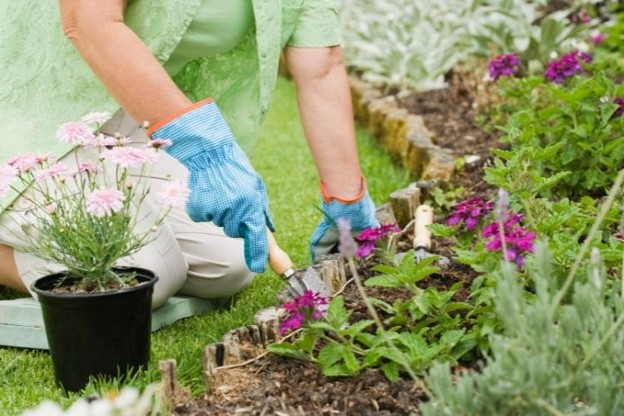
Hands-on hobbies provide a useful alternative because they encourage people to focus on something tangible. Whether you are gardening, cooking, painting, repairing furniture, or working on a craft project, using your hands can create a welcome change of pace.
Why Hands-On Activities Feel Different
Many everyday activities involve consuming information rather than creating something. You might spend hours reading emails, scrolling through updates, watching videos, or responding to messages without producing anything you can physically see or touch.
A practical hobby changes that dynamic. You begin with ingredients, materials, plants, tools, or an idea and gradually turn them into something different through your own effort.
That process can feel satisfying because progress is often easy to recognize. A completed painting, thriving plant, finished woodworking project, or homemade meal provides a visible reminder of the time and attention you invested.
Creating A Natural Break From Screens
Technology makes many parts of life easier, but it can also make downtime feel less restful. Picking up a phone during every quiet moment can become automatic, leaving very little space for uninterrupted concentration.
Hands-on hobbies offer a reason to put devices aside. Kneading bread, tending a garden, sewing, or assembling a model requires enough attention that checking notifications every few minutes quickly becomes inconvenient.
You do not necessarily need to eliminate technology completely. Even spending 30 minutes on a practical activity can create a useful boundary between screen-heavy parts of the day.
Finding A Hobby That Fits Your Lifestyle
A hobby does not need to be complicated or expensive to be worthwhile. The best choice is usually something that interests you and fits comfortably into your available time, budget, and living space.
For some people, that could mean growing herbs on a windowsill or experimenting with new recipes. Others may prefer knitting, woodworking, pottery, drawing, home improvement, photography, or restoring old objects.
Growing projects can be particularly appealing because they develop gradually rather than providing instant results. Adults interested in exploring specialized seed varieties can find options here at libertyseedbank.com, although anyone considering what to grow should understand and follow the laws that apply where they live.
Learning To Appreciate Slow Progress
Much of modern technology is designed around speed. Food can arrive within minutes, entertainment is instantly available, and questions can often be answered before you have finished typing them.
Practical hobbies operate differently. Plants need time to grow, paint needs time to dry, and learning a musical instrument requires repeated practice before noticeable improvements appear.
That slower pace can become part of the appeal. Instead of expecting immediate results, you learn to recognize small improvements and appreciate the process itself.
Mistakes also become easier to accept when you treat them as part of learning. A failed recipe or uneven woodworking project can teach you something useful for the next attempt rather than representing wasted time.
Making Space For Creativity
Many people associate creativity with traditional artistic activities, but creative thinking appears in almost every practical hobby. Gardening involves deciding how to use available space, while cooking requires choices about ingredients, flavors, presentation, and timing.
DIY projects create similar opportunities for experimentation. You might discover a better way to organize a room, repair an old object instead of replacing it, or transform inexpensive materials into something useful.
You don’t always need a perfect outcome. Hobbies provide one of the few areas of adult life where experimentation can exist simply because you enjoy doing it.
Building A Routine Around Something Enjoyable
Balance becomes easier to maintain when you treat enjoyable activities as part of normal life rather than occasional rewards. Waiting until every responsibility is finished can mean hobbies continually get pushed to another day.
Instead, consider setting aside a small amount of regular time. Twenty minutes after dinner, an hour on Saturday morning, or a quiet Sunday afternoon can gradually become a familiar part of your weekly routine.
Consistency matters more than spending large amounts of time on a hobby. Short, regular sessions can provide something enjoyable to anticipate without creating another demanding commitment.
Turning Hobbies Into Social Activities
Hands-on hobbies do not always have to be solitary. Cooking, gardening, crafting, building, and creative projects can become opportunities to spend meaningful time with friends or family.
Working on something together also changes the nature of conversation. Instead of sitting across from each other and trying to start a conversation, people can talk naturally while partly focusing on a shared activity.
Hobbies can also help people connect with others who share similar interests. Local clubs, workshops, community gardens, classes, and online groups can provide opportunities to exchange ideas and learn new techniques.
Developing Useful Skills Along The Way
One advantage of practical hobbies is that enjoyment often comes with useful knowledge. Cooking can improve your understanding of ingredients, while gardening teaches you about seasons, soil, weather, and plant care.
DIY projects may introduce basic repair, measuring, planning, and problem-solving skills. Sewing, woodworking, pottery, and similar activities also encourage patience because precision improves through repetition.
These skills can create a greater sense of independence. Being able to make, grow, maintain, or repair something yourself can reduce the feeling that every problem requires buying a replacement or paying someone else.
Giving Your Mind One Thing To Focus On
Daily responsibilities frequently compete for attention. You may think about work while preparing dinner, check messages while watching television, or mentally plan tomorrow while supposedly relaxing.
Hands-on hobbies encourage a different type of concentration. When you direct your attention toward measuring, planting, shaping, painting, assembling, or creating, unrelated thoughts can temporarily move into the background.
The goal does not need to be perfect concentration. Simply having an activity that encourages you to focus on one task at a time can provide a valuable contrast to constant multitasking.
Creating More Balance Without Adding Pressure
A hobby should not become another item on an already crowded checklist. You don’t need to master it, monetize it, share the results online, or constantly improve your performance.
Instead, the value can come from having something you enjoy doing for its own sake. You can spend an afternoon working on a project and put it away until you genuinely feel like returning to it.
That freedom is part of what makes hobbies useful in a busy routine. They provide space for curiosity, experimentation, and enjoyment without necessarily demanding a measurable outcome.
Making Time For A More Hands-On Life
Creating greater balance does not always require a dramatic lifestyle change. Sometimes it starts with replacing a little screen time with an activity that lets you make, grow, repair, cook, or create something yourself.
The right hobby will look different for everyone. What matters is finding an activity that holds your attention and gives you a meaningful reason to slow down.
Over time, those small periods of focused activity can become valuable parts of everyday life. Instead of constantly consuming information or moving between responsibilities, you gain regular opportunities to work with your hands, follow your curiosity, and enjoy the process of creating something at your own pace.