Beyond the Deadbolt: What Actually Makes an Entryway Secure?
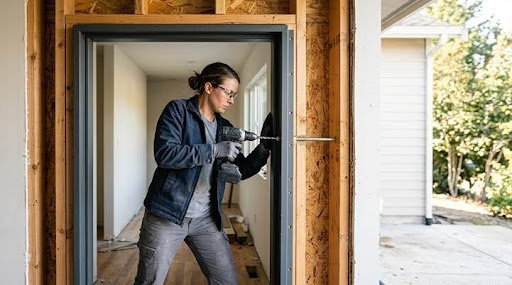
True home security begins not with the lock, but with anchoring a strong frame to the house.
By a home security industry contributor. You upgraded the deadbolt. You may have a video doorbell. But a door’s weakness is not usually the lock. When someone breaks in, the door frame often splits. The hinges can also break. Or the door itself can break. A strong lock on a weak frame is a problem. It is like a vault door on a cardboard box.
A real security door is a full system. It has a strong steel or aluminum frame. It includes hinge pins you cannot remove. The door panel is made of tough steel or iron. The installation is very important. It is as important as the parts. Experts must do the work. They know how to attach the frame. They anchor it deep into your home’s main supports. This is the main difference with certified security door installers. They build a strong entryway. They do not just hang a door.
Quick answer: Real security comes from the whole door system. It is not just the lock. You need a special security door. You need a strong frame. You also need an expert installation. The frame must be anchored to your home. These parts are key to stop a break-in.
What’s inside
- What is the difference between a “steel door” and a “security door”?
- How can you tell if an installer is properly qualified?
- How do Colorado’s climate and altitude affect a security door?
- Frequently Asked Questions About Security Doors
- The Bottom Line: It’s an Entryway System, Not Just a Door
What is the difference between a “steel door” and a “security door”?
A steel door and a security door can look alike. They are not the same thing. Many exterior doors have a thin steel skin over a foam or wood core. The skin keeps out weather. It is not built to stop a kick or a pry bar.
A security door is built to resist force. The steel is thicker. Look for 16-gauge or heavier, since a lower number means thicker steel. The corners should be welded, not screwed together. The hinges should have pins you cannot tap out. The lock should sit inside a steel guard so it is hard to drill or pry. The frame should be steel too.
Testing is another clue. ASTM F476 is a test method for the security of swinging door assemblies. It looks at how the door, frame, and hardware hold up to attack as one unit. Not every home door is tested this way. But a maker who can talk clearly about forced-entry testing is taking security seriously.
❝ Ask to see the door’s specification sheet. It should list the steel gauge, the frame material, and the lock type. If the seller cannot tell you the gauge, treat the door as decorative.
How can you tell if an installer is properly qualified?
The word “certified” gets used a lot. Ask what it means. Some installers are trained by the door maker. That training covers how to mount the frame and set the hardware. Ask which maker trained them. Ask if the maker’s warranty depends on a trained installer.
Licensing works differently here than in many states. Colorado does not issue a statewide general contractor license. Cities and counties handle licensing instead. Ask if the installer holds the license your city requires. Ask for proof of liability insurance too. A real business will send it without delay.
Then ask about the work itself. How will they attach the frame? How long are the screws? A good answer names screws of three inches or more that reach the wall studs. How do they handle an opening that is not square? A good answer mentions shims and measuring at several points.
Last, ask about their own warranty. The door maker covers the product. The installer should cover the labor. Get both in writing. If an installer will not stand behind the install, keep looking.
How do Colorado’s climate and altitude affect a security door?
The Front Range has strong sun and dry air. Temperatures also change a lot. These things create special problems for doors. They can weaken a door over time. A door for a mild climate might fail here. Its parts and setup must fit the high altitude. The main problems are UV light and heat changes.
At 5,000 feet, the air is thinner. More strong UV light gets through. This does more than just fade color. UV light breaks down paint and coatings. It especially harms weatherstripping. A normal finish can get chalky and weak. Rubber or vinyl seals can dry out and crack. They lose their stretch much faster here. This damage creates gaps. Drafts and dust can get in. It also hurts the door’s weather protection.
Big daily temperature changes are also key. A door can be freezing in the morning. It can bake in the afternoon sun. This cycle makes the metal door and frame grow and shrink.
❝ Ask a potential installer what specific materials they use for weatherstripping and sealants. Materials for high-UV and wide temperature ranges are key. High-grade EPDM or silicone are critical for Colorado. Standard vinyl will not last.
If a door is installed with the wrong spacing, it can stick. This can happen on hot days. It makes the door hard to use. In the cold, the parts shrink. This can create small gaps. These gaps defeat the purpose of good seals. A good installer knows about these changes. They plan for this movement. This makes sure the door works well all year. It will also keep its secure fit. High winds also push on the door. This happens a lot in the foothills. This puts stress on hinges and latches. Strong anchoring is very important.
Frequently Asked Questions About Security Doors
What factors determine the final cost of a security door installation? The price is for a whole system. It is not just for the door. Key costs are the material and the design. This includes the steel’s thickness (gauge). It also includes the style. The lock system also affects the price. A multi-point lock costs more. Skilled labor is another big part of the cost. Workers must remove the old trim. They anchor the new frame to your home.
Why might a specialist installer’s quote differ from a general contractor or big-box store? A specialist builds a strong entryway. This is different from just hanging a door. A general installer may use your old wood frame. But a security expert installs a new steel frame. They attach it to the house’s main supports. They use long, heavy-duty screws. This process helps the whole opening resist force. It fixes the most common weak spot.
What should I look for in the door’s construction to judge its quality? First, check the steel’s thickness, or gauge. A lower number means it is thicker and stronger. A 14 or 16-gauge door is much stronger. It is better than a 20 or 22-gauge door. Second, look at the welds. They should be clean and solid along the joints. They should not be small “tack” welds at the corners. Finally, check the hinge pins. They should be non-removable. This stops someone from knocking out the pins. They cannot remove the door that way.
Will a heavy security door damage my home’s existing door frame? It should not. A good installation does not use the old frame. The installer anchors a new steel frame. They attach it to your house’s main supports. This new frame holds the door’s full weight. This stops sagging or stress on your old trim. The old frame is basically bypassed.
Can a security door also improve my home’s energy efficiency? Yes, a good security door can reduce drafts. The tight fit creates a much better seal. Good weatherstripping also helps. Many doors have glass and screen panels. You can switch between them. You can choose a special Low-E glass panel. It adds another layer of insulation. This helps reflect heat in the summer. It keeps heat inside during winter.
The Bottom Line: It’s an Entryway System, Not Just a Door
A security door’s real value is not just its steel. It is how strongly it connects to your home. A heavy door on a weak wood frame is not safe. It gives a false sense of security. The whole system fails if the frame breaks. The goal is not just a strong door. It is a strong entryway.
So, you should focus on the installation. The most important questions are not about brands. They are not about looks. The questions are about the process. How will the new frame attach to the house? What kind of screws will be used? How long are they? How is spacing set for Colorado’s climate? This allows for heat changes.
A good installation makes the door part of the wall. Focus on buying a whole system. Do not just buy a product. This makes your choice clearer. You are not just comparing doors. You are judging the installer’s skill. Their skill is key to your home’s security.
About the author
The team at Denver Storm Door are experts. They install security, storm, and French doors. They work with Colorado homeowners. They are a local business. Their work focuses on entryway solutions. These are designed for the Front Range. They can handle high UV light. They also handle big temperature swings. They serve clients in the Denver metro area. They also serve nearby towns. This includes the foothills to North Colorado Springs. They only work on exterior door systems.
Read more: Why Storage Facilities Are Moving Toward Smart Lock Technology
Read more: Traditional Locks vs. Smart Locks: Which Is Better?
Read more: Which Outdoor Security Camera Is Best for Your Home?