Stress and Social Media: COVID-19 Housebound Habits May Be Making Matters Worse
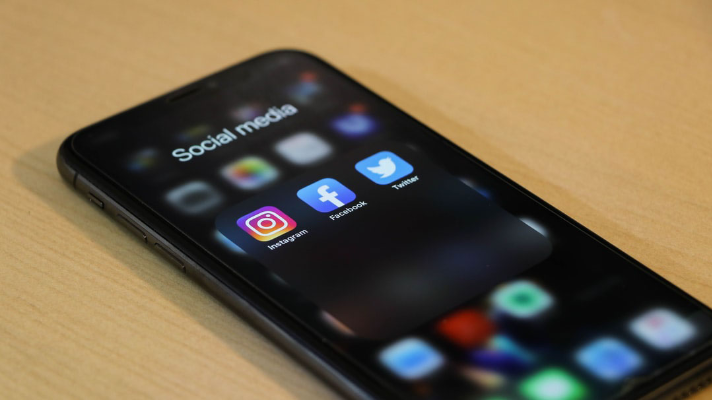 Even before the pandemic hit, many of us were constantly on our phones. Not only do people open text messages at a 98% rate, but there were 2.95 billion people worldwide using social media in 2019. And now that many of us have little to do but stay home in order to reduce the spread of COVID-19, it’s no wonder that our screen time has increased. In fact, Apple’s screen time reports have skyrocketed since the coronavirus first hit the United States.
See : 5 Ways to Improve Your Social Media Presence
Of course, many companies are relying on social media like never before. Since consistent branding across all channels can increase revenue by 23%, it makes sense that businesses are turning to social media to connect with consumers — who are all too eager to make pandemic purchases. And since it’s not advisable to schedule physical get-togethers with people outside our households, social media can be a great way to keep in contact with loved ones during these uncertain times. After all, the U.S. consumer electronic market was worth $301 billion in 2019, so chances are good that most people are at least posting some Facebook updates, composing tweets, or responding to emails and video chat requests.
That said, it’s not all good news. Around 88% of adults say they’re experiencing stress during the pandemic — and it’s evident that our dependency on social media might be making matters worse.
There’s a sense of obligation to stay informed right now, especially because conditions surrounding confirmed cases and state reopenings are evolving on a daily basis. For many people, social media acts as their news source and as a gateway to education — and that can be a double-edged sword. Although retweets and Instagram stories can serve a valuable purpose in sharing resources and signal-boosting causes, our feeds can also quickly become so overwhelming that we experience emotional paralysis and a general feeling of hopelessness.
Studies have found that excessive media exposure during crises can trigger that “fight or flight” response, which can have major impacts on both physical and mental health when prolonged. The American Psychological Association cites data that showed those who watched several hours of TV on a daily basis in the days following the September 11 terrorist attacks experienced increased levels of post-traumatic stress and new onsets of physical health problems two to three years after the fact. Researchers have also found that when individuals consumed several hours of daily media during the 2014 Ebola outbreak, they were more likely to experience increased distress and decreased functioning over time compared with those who consumed less media during that period.
It’s important to keep in mind that media consumption doesn’t happen only while watching the nightly news on your television set. One study conducted in 2019 found that U.S. consumers were spending more time on their mobile devices than on watching TV that year, with podcasts and social media usage dominating time spent. Moreover, as the Pew Research Center reported in 2018, 20% of Americans said they often got their news via social media — while only 16% said they relied on print newspapers for that same purpose. Although 57% of Americans still reported they often got their news from TV that year, mistrust of traditional news media combined with a lack of moderation on many social media sites has created the perfect storm of anxiety-producing and seemingly endless scroll sessions.
But whether you’re relying on social media for your daily news briefing or you’re looking to these platforms as a means of escape, there can be some pros and cons during the pandemic. On the one hand, detaching completely from any and all social media platforms seems inadvisable at best and impossible at worst. Many people depend on social media for their jobs (which they can continue doing remotely during this time), while others simply can’t imagine not being able to keep up with people, businesses, or causes they care about. And while some platforms have inherent shortcomings (see the recent Facebook ad boycott as an example), our own habits are often responsible for our stress and mental anguish when it comes to social media.
Certainly, endless scrolling and social media stalking can make us feel anxious, depressed, and isolated. The ongoing pandemic can also make us experience those things, even without the addition of Facebook or Instagram. But rather than blame it all on social, it might come down to how we’re choosing to utilize these channels. Although there’s a forthcoming study that will examine the effects of social media on pandemic-related stress, it may be more fruitful to change course than to blame the app. By placing limits on social media use, curating the accounts and sources you follow and consume, and staying busy with healthy activities throughout the day, you’ll be able to engage both body and mind without sacrificing necessary knowledge.
See: Study Shows Social Media Use Can Impair Memory