What to Do If Your Water Supply At Home Is Contaminated
There is nothing as worrying as having contaminated water in your home. Contaminated water is not safe at all for consumption by humans and pets living in the house. The reason is that it causes diseases and other infections, some of which are fatal or untreatable. With these health risks, there is an urgent need to treat or dispose of contaminated water. If you suspect your water has been contaminated, survival water filters may be worth looking into.
To avoid the disposal of contaminated water, below are some ways you can make it safe.
Boil the water
Boiling is a sure and the cheapest way of making contaminated water safe. When your water source gets infested with parasites and germs, it’s advisable to boil the water to kill the organisms. Sometimes you may not see these water parasites or germs with your eyes. But if you suspect that something is not right, it is advisable to boil the water, especially drinking water, at high temperatures.
In the process, water is heated to boil and should be left to roll-boil for approximately three minutes to give time to kill the germs adequately. If you live in high altitude areas, it is recommended to take more time to boil your water than individuals living in lower altitudes. Water in high altitudes boils at lower temperatures. After boiling water, cover it and let it cool before use. If its water from the wells, allow it to rest for some minutes to let particles settle.
Filtration
Filtration is one good way of making contaminated water safe for human use. You require to use the best filters to eliminate the harmful chemical compounds or other types of contamination with filtration.
This process involves using physical and chemical means to make unsafe water safe for drinking and other uses. According to waterfiltersadvisor.com/best-alkaline-water-filter/, good quality should eliminate the harmful mineral compound and retain the filtered water with healthy ones. Filtration removes all sorts of compounds, whether large or small and helps to eliminate disease-causing organisms through the filtration process.
The good thing about filtration is that it does not remove the essential water minerals, making it a healthier way to purify water. Its main aim is to remove unwanted compounds from water using chemicals, and it’s the best compared to other methods. There are different forms of filtration, reverse osmosis, Ion exchange, steam distillation, and activated carbon filters. Setting up Custom Filtration Systems that best fit your household or commercial needs ensures you get clean, great-tasting water without losing vital nutrients. Tailored systems also help target specific contaminants found in your local water supply, offering more efficient purification.
Utililzing Water Ioniser might also be a good option for removing harmful contaminants from your water. Be sure to research and choose the best filtration method that suits your needs.
Distillation
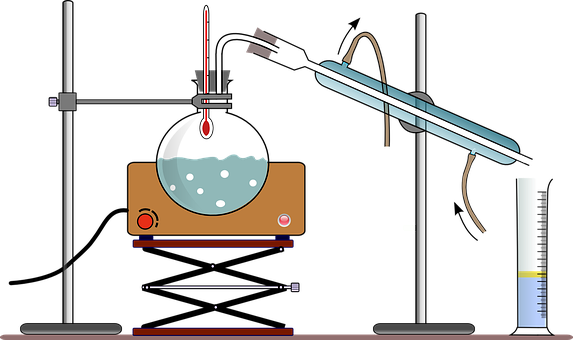
If you have contaminated water issues, especially one infused with soluble compounds, distillation is the best way to make it safe for human and animal consumption.
How does it work? This process works by heating the water to boil and capturing its vapor. When you cool the steam, you get the safe water without impurities. The impurities will have to get left behind through the beating process.
You can manually conduct this process manually or get equipment designed for this purpose. Water gets heated, and then the vapor passes through the condenser to cool. Through heating, harmful substances with a higher boiling point are left as sediments.
The distillation method is beneficial in removing impurities involving bacteria, salts, germs, and metals such as arsenic and mercury. It’s best used in places with inadequate, safe drinking water.
Chlorination
Chlorination gets mostly used to treat mass water. Water used in homesteads and other urban areas always gets treated by the use of chlorination. How does this process work? Chlorination uses chlorine, a chemical that has been in use for years to treat water. Water is mixed with specified quantities of chlorine to kill germs.
There are two types of chlorine—the liquid chlorine and the tablet chlorine used to purify water. Chlorine is very cheap and effective, and you can purchase it in stores near you without any restriction.
When using chlorine, there are some precautions you need to take. Such include identifying people living with thyroid problems since it’s not safe for them. It will help if you put the right quantities of chlorine as recommended since too much can be toxic.
It’s recommended to use chlorine in heated water since it dissolves faster than in cold water. This chemical helps to kill parasites, germs, and other disease-causing organisms found in water.
Before choosing any of the above methods, you need to conduct tests to your water and check the contaminants available to develop the right approach. Different contaminants require different types of procedures to be effective.
For the best results, follow the set instructions carefully, especially when using equipment or chemicals to avoid contaminating the water further or failing to conduct the process effectively. We hope this article will significantly help you come up with safe drinking water.