Will We See Free TV Access In the Future?
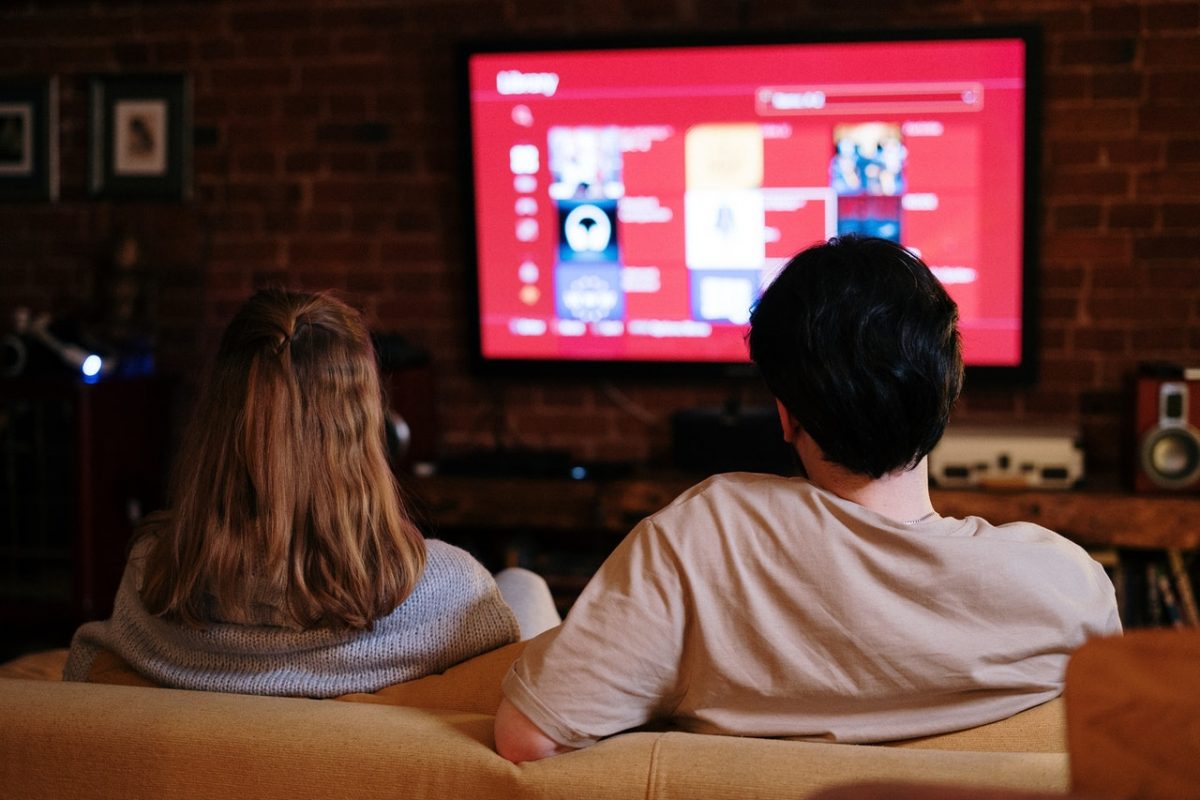
The United States is one of the largest markets in terms of entertainment and information consumers. Ever since the 50s, Hollywood has consistently been one of the world’s foremost entertainment powerhouses. The modern entertainment infrastructure consists of entertainment megacorps like Disney, as well as hugely popular and widely available TV and internet services. The affordability of Spectrum internet prices supplements people’s access to high-quality entertainment even without needing TV access.
As a result, more houses today have access to HD entertainment and huge channel lineups than at any point in TV history. But as the entertainment industry is now saturated with studios, networks, distributors, and service providers, as well as online video streaming subscriptions, the time seems right for a transformation in TV entertainment. Could free TV be a part of this change? Read on to find out more.
Pay-TV and Why Americans Use It
If you want access to high-quality entertainment, it is a given that you’ll have to pay for it. Unless you want to access content illegally and risk the potential fallout (as well as the harm to the overall ecosystem), you will most likely have to pay to access popular networks and channels in the United States. Pay-TV, in simple words, refers to paid TV subscriptions that allow subscribers access to the provider’s TV plans and channels. But when you delve more closely into why people still subscribe to TV providers despite the easier and more instantaneous on-demand experience services, a few surprises become apparent.
Sports Drive Subscriptions
Contrary to popular opinion, people don’t subscribe to TV for access to premium TV shows and movies. Most of the biggest networks like HBO and Showtime already have standalone apps that users can subscribe to and access a much larger content library. HBO’s Casey Bloys talks about direct messages as a way to express his issues with something in a TV review directly to critics, emphasizing how industry leaders are actively engaging with feedback in the digital age. The real reason people still use TV services in 2021 is exclusive access to live sports.
Despite the obvious advantages of digital access, large sports networks like ESPN, NBC Sports, and Fox Sports still hold the rights to most major sports such as the NFL, MLB, MLS, NHL, and NBA. The rights to many other high-profile sports events, such as professional boxing, UFC, Formula 1, NASCAR, and even the Olympics are also held by these channels. Without paying for a sports streaming subscription to ESPN+ or a similar network-owned app, you are unlikely to be able to access live sports broadcasts legally.
News Access Stays on TV
Social media platforms often act as news sources to most modern individuals. Newspaper circulation may be down, but people still subscribe to reputable ones like The New York Times, The Wall Street Journal, The Washington Post, and several others that have e-newspapers available in addition to the paper versions. But despite easier digital access, people still tend to prefer the old-school feel of regular news broadcasts on TV.
Many TV hosts and newscasters often acquire semi-celebrity status, and certain news outlets appeal to people who have different political leanings. All of this, combined with the fact that live news broadcasts, including news bulletins and news flashes, usually appear first on TV. Hence, for most Americans, especially older ones, TV news content remains far more familiar and reliable.
The Cost of Subscription Is Going Down In Relative Terms
So, with an almost exclusive monopoly on certain types of content, despite a significant percentage of Americans preferring to “cut-the-cord”, TV providers continue to see a rise in subscriptions. This may seem to indicate that Pay-TV is not going away any time soon, but there is also another possibility. The price of a TV subscription today costs far more than it did in the 60s, but only in absolute dollar terms.
When you look at how much the purchasing power for the average American has increased, and how technological breakthroughs have allowed for easier and cheaper access to TV, the current price tag may turn out lower than ever, at least relative to early subscriptions.
Many larger providers have adapted to changing needs, offering both TV access as well as original content that appeals to the masses. Many have branched out into offering internet network access as well, which allows people to access both TV and internet at reduced prices when bundled. If this trend continues, even if your TV service doesn’t completely become free, the price tag could become negligible in real terms.
What If Cable Never Becomes Free
Nobody can say for sure what the future holds for the TV industry. The arrival of Netflix, Amazon, Hulu, and dozens of other streaming platforms is an unprecedented disruption. While they still have millions of subscribers all over the country, many TV providers have lost a significant portion to on-demand streaming subscriptions. But, since a handful of networks still retain control over the most exclusive types of content, TV isn’t likely to die out soon.
Of course, to stay relevant and sustainable, TV providers need to come up with better ideas which may well include making TV access free of cost, or at least as accessible as possible to every American. Otherwise, people will continue to opt for the internet route for entertainment, leading conventional TV services to extinction.