What Homeowners Should Know About Skunk Removal: Essential Tips
Dealing with a skunk infestation around your home can be a smelly and frustrating experience. Whether you’ve encountered one lurking in your yard or discovered telltale signs of their presence, knowing how to handle the situation effectively is crucial. Here are essential tips on skunk removal to help you address the issue swiftly and safely.
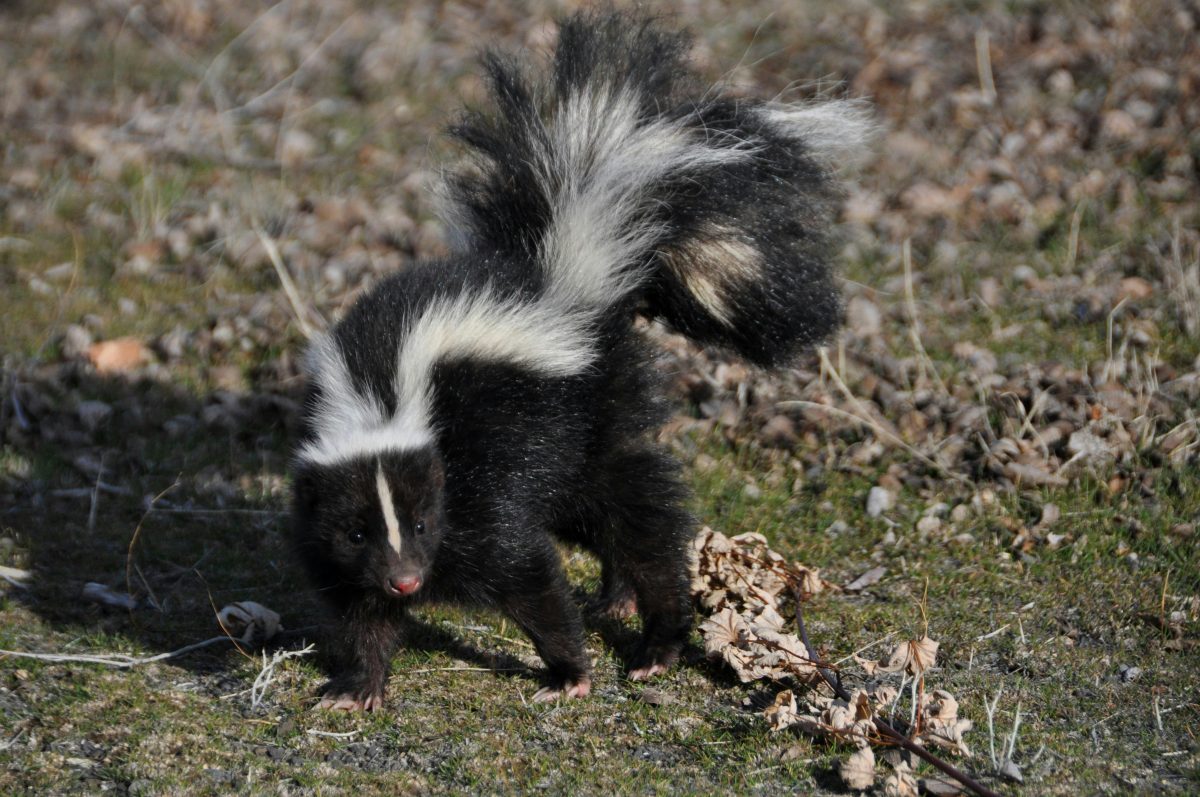
Professional Assistance
In some cases, dealing with a skunk infestation may require professional assistance. Wildlife removal experts have the experience and tools to safely and effectively handle skunks on your property. Professional assistance in effective skunk control ensures swift and humane resolution of infestations, safeguarding both your property and the well-being of the skunks involved. If DIY methods prove ineffective or you’re uncomfortable handling the situation yourself, don’t hesitate to seek help from professionals specializing in wildlife management.
One wrong move to lead to days of getting the smells out of your home and clothing, making the situation far more stressful than necessary. Tennessee residents from Scruffy City rarely hesitate to call the most suitable experts for Skunk Removal Knoxville can offer to manage the relocation process without risking a direct encounter. These specialists arrive equipped with the proper gear to handle the animals humanely and efficiently. Utilizing experienced professionals ultimately saves time and prevents a minor nuisance from becoming a major household crisis.
Understanding Skunk Behavior
Before diving into removal techniques, it’s essential to understand skunk behavior. Skunks are nocturnal creatures that are drawn to areas with accessible food sources and shelter. They often seek refuge in dark, secluded spaces such as under decks, porches, or in crawl spaces. Knowing where they’re likely to hide can help you pinpoint problem areas around your home.
- Skunks are primarily nocturnal animals, meaning they are most active during the night. During the daytime, they often seek shelter in dark, secluded areas to rest and avoid predators.
- Skunks are omnivores, meaning they have a varied diet consisting of both plant matter and small animals. They are opportunistic feeders and will scavenge for food in gardens, trash cans, and pet food left outdoors.
- Skunks are known for their distinctive defense mechanism: a potent spray produced by glands near their tail. While skunks will typically try to avoid confrontation, they may resort to spraying if they feel threatened or cornered.
- Skunks are solitary animals for most of the year, only coming together during the mating season in late winter or early spring. During this time, male skunks may travel long distances in search of a mate, increasing the likelihood of encountering them in suburban or urban areas.
Avoiding Confrontation
While skunks are typically docile creatures, they can become defensive if they feel threatened. Avoid confrontation by keeping your distance and refraining from making sudden movements or loud noises. If you spot a skunk in your yard, give it space and allow it to leave on its own accord. Attempting to chase or corner it may result in a defensive spray.
Safe Removal Methods
When it comes to removing skunks from your property, it’s crucial to prioritize safety for both yourself and the animal. Utilize humane removal methods such as live traps baited with appropriate food items like cat food or peanut butter. Once trapped, contact your local animal control or wildlife rehabilitation center for assistance in relocating the skunk to a more suitable habitat.
- Live Traps: Utilize live traps specifically designed for capturing skunks. These traps are typically large enough to accommodate the skunk comfortably without causing harm. When setting up the trap, place it in an area where skunks are known to frequent, such as near their den or along their travel routes.
- Exclusion Methods: Implement exclusion techniques to deter skunks from accessing your property. Seal off potential entry points by repairing damaged fencing, closing off crawl spaces, and blocking gaps under decks or porches. Use materials such as hardware cloth or sturdy wire mesh to reinforce vulnerable areas and prevent skunks from burrowing or squeezing through small openings.
- Humane Relocation: Once you’ve successfully trapped a skunk, it’s essential to handle its relocation with care and compassion. Contact your local animal control or wildlife rehabilitation center for guidance on how to safely transport and release the skunk in a suitable habitat.
Preventing Future Infestations
After successfully removing skunks from your property, take preventative measures to reduce the likelihood of future infestations. Seal off potential entry points by repairing damaged fencing, securing garbage cans, and blocking off access to crawl spaces. Additionally, remove attractants such as pet food left outdoors overnight, which can entice skunks and other wildlife.
Dealing with Skunk Spray
One of the most dreaded aspects of encountering a skunk is the potent odor of their defensive spray. If you or your pet fall victim to a skunk’s defensive tactics, prompt action is essential. To neutralize the smell, mix a solution of hydrogen peroxide, baking soda, and dish soap and thoroughly wash any affected areas. Keep in mind that tomato juice, often suggested as a remedy, may only mask the odor temporarily.
Encountering skunks around your home can be a nuisance, but with the right approach, you can address the issue promptly and efficiently. By understanding skunk behavior, utilizing safe removal methods, and taking preventative measures, you can minimize the likelihood of future infestations and ensure a harmonious coexistence with wildlife in your neighborhood.