The Future of Precision Manufacturing: How CNC Machining Services Elevate US Businesses
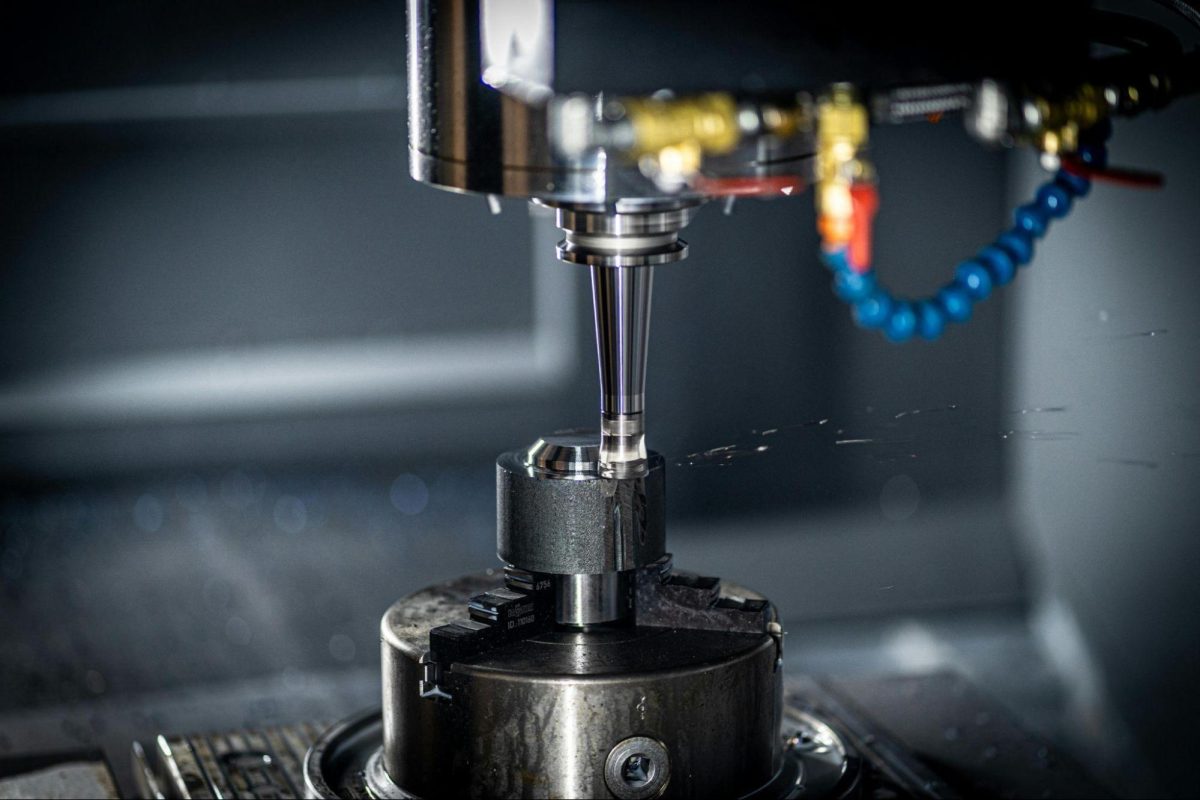
In an era where precision manufacturing is essential to stay competitive in a global market, Computer Numerical Control (CNC) machining stands at the forefront. This technology has transformed how industries produce intricate parts with pinpoint accuracy, high speed, and repeatability. For US businesses, embracing CNC machining is not just about maintaining quality; it’s a vital strategy to lead in sectors where advanced manufacturing makes the difference between success and obsolescence.
What is CNC Machining and How Does it Work?
CNC machining refers to the automated control of machining tools (such as drills, lathes, and mills) through computer programming. CNC machines execute pre-programmed sequences that control the movement of the machine and tools, enabling them to create precise and complex parts without human intervention.
Here’s a breakdown of the main stages of the CNC machining process:
- Design and Programming: Engineers design parts using CAD software, converting designs into machine code through CAM software.
- Machine Setup: The CNC machine is prepared, tools are selected, and materials are secured.
- Cutting and Shaping: The machine follows programmed instructions to cut, shape, and remove material from the workpiece.
- Finishing and Quality Checks: After machining, finishing processes and quality checks ensure the part meets design specifications.
Why is CNC Machining Critical for Modern Manufacturing?
On-demand custom CNC machining services provide unparalleled advantages over traditional methods, positioning it as a cornerstone in modern manufacturing. Key benefits include:
- Precision: Achieves tight tolerances, creating parts that are nearly identical, essential for industries like aerospace and medical.
- Speed: CNC machines can operate 24/7, significantly reducing lead times for production.
- Scalability: From prototypes to full-scale production, CNC machining adapts easily to various production demands.
- Complexity of Designs: CNC machining allows for complex geometries that would be difficult, if not impossible, to achieve manually.
How is CNC Machining Evolving in the Era of Industry 4.0?
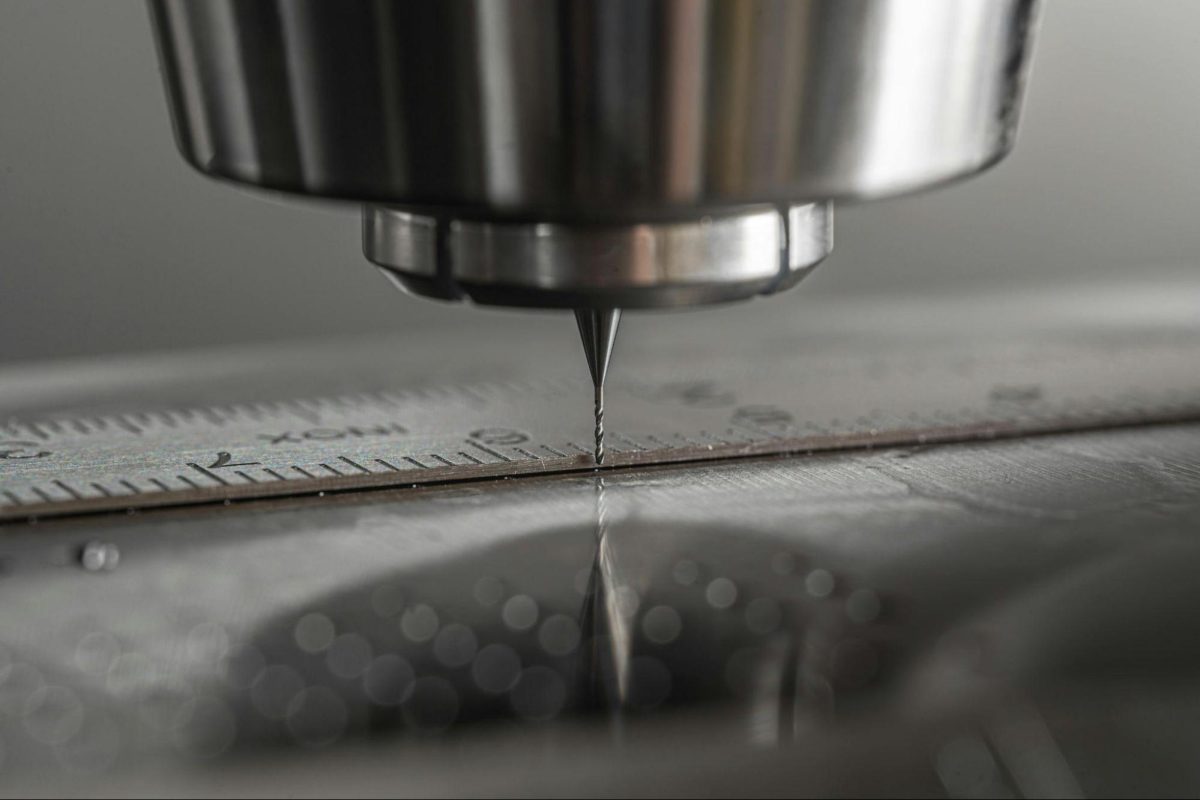
As Industry 4.0 reshapes manufacturing, CNC machining is undergoing transformative changes through the integration of IoT, AI, and machine learning. These technologies enhance machine performance, predict maintenance needs, and improve product quality.
What Role Does IoT Play in CNC Machining?
The Internet of Things (IoT) is pivotal in CNC machining, offering benefits like:
- Real-Time Monitoring: Sensors track machine conditions, reducing downtime and enhancing production efficiency.
- Predictive Maintenance: Data collected helps anticipate failures, preventing costly breakdowns.
- Enhanced Data Analytics: Analyzing production data uncovers opportunities for process improvements and cost savings.
How is AI Transforming CNC Machining?
AI in CNC machining facilitates:
- Automated Adjustments: Machines adjust parameters on the fly, improving precision.
- Improved Efficiency: AI algorithms optimize production schedules, reducing idle times.
- Error Reduction: AI minimizes human error, enhancing overall quality.
Machine Learning and CNC: What are the Possibilities?
Machine learning (ML) algorithms help optimize CNC machining by:
- Cutting Path Optimization: ML determines the best tool paths, minimizing material waste and tool wear.
- Tool Selection: AI systems recommend the best tools based on material and design specifications.
- Quality Control: ML algorithms predict defects, ensuring quality standards are consistently met.
What Are the Types of CNC Machines, and What are They Used For?
CNC machines come in various types, each serving specific applications in manufacturing. Here’s a breakdown of some key types:
CNC Milling Machines
CNC milling machines use rotating cutting tools to remove material, ideal for complex shapes and surface textures.
CNC Lathes
These machines rotate the workpiece against a stationary cutting tool, suitable for cylindrical and conical parts.
CNC Routers
Typically used for cutting soft materials like wood and plastic, CNC routers are known for their speed and versatility.
CNC Grinders
Grinders use abrasive wheels to refine surfaces and achieve tight tolerances, often used for finishing metal parts.
CNC Plasma Cutters
Using a plasma torch, these machines cut through conductive metals, providing high-speed and precise cuts.
CNC Laser Cutters
Laser cutters excel at making precise cuts in thin materials, from metals to plastics, with minimal waste.
CNC Electrical Discharge Machines (EDMs)
EDMs use electrical discharges to shape materials, particularly useful for hard metals and complex geometries.
What Materials Are Used in CNC Machining?
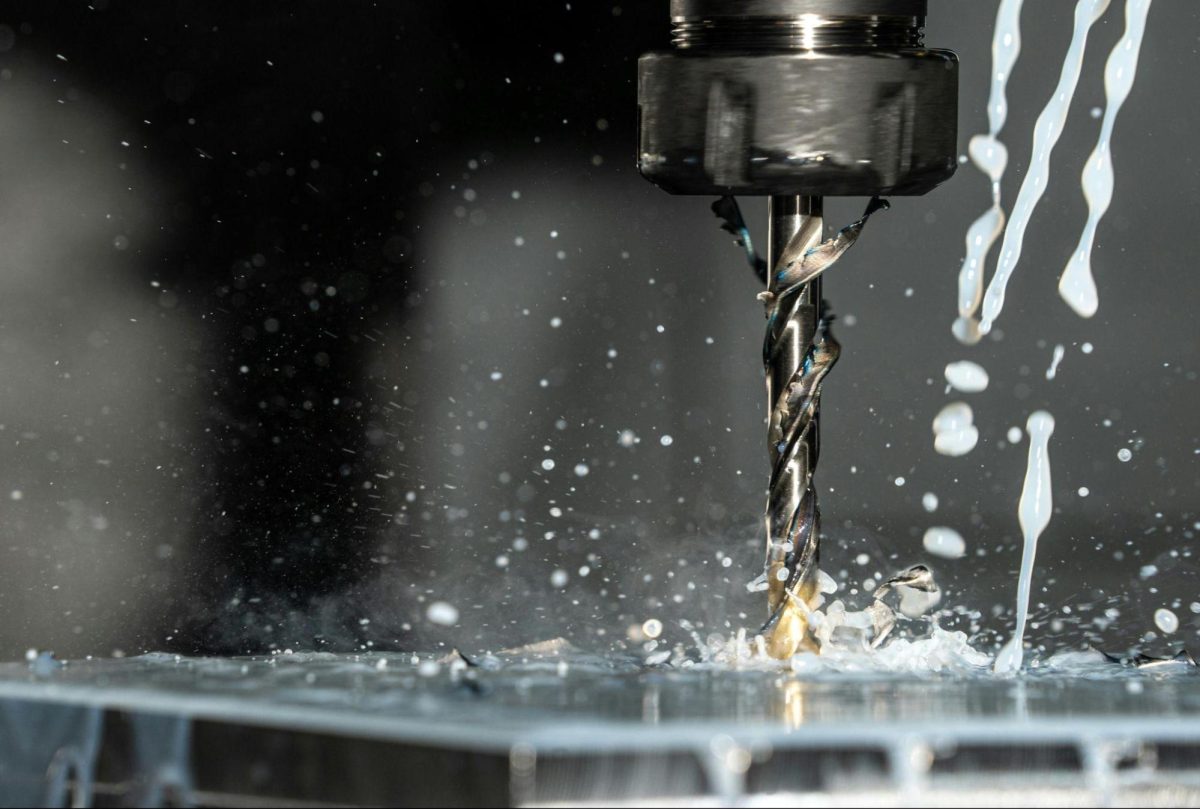
A wide range of materials can be processed with CNC machining, each with unique properties suited to specific applications:
- Metals: Aluminum, steel, and titanium are durable and strong, often used in automotive and aerospace applications.
- Plastics: Lightweight and versatile, plastics are widely used in electronics and medical devices.
- Composites: Carbon fiber and fiberglass provide high strength-to-weight ratios, ideal for automotive and aerospace.
- Wood: Used mainly in furniture and art, wood’s natural finish makes it a preferred choice in decorative CNC work.
What Industries Benefit Most from CNC Machining?
CNC machining supports a variety of industries with tailored applications:
- Aerospace: Precision parts for turbines and engines.
- Automotive: Custom and mass-produced components.
- Medical: High-precision tools, implants, and prosthetics.
- Electronics: Custom housing, connectors, and intricate components.
What Are the Advantages of CNC Machining for US Businesses?
For US companies, CNC machining offers several advantages:
- Reduced Labor Costs: Automation lowers labor requirements.
- Shorter Production Times: Faster cycle times enable shorter delivery schedules.
- Consistency and Accuracy: CNC machining ensures consistent quality across production runs.
- Improved Scalability: Easily adjust production volume based on demand.
What Are the Key Steps in CNC Machining Setup?
Setting up a CNC machine involves several important steps:
- Tool and Material Selection: Choose appropriate tools and materials for the job.
- Programming and CAD Design Setup: Convert designs into code for CNC operation.
- Fixture Setup: Secure the material in place to prevent movement.
- Calibration and Alignment: Ensure precise alignment for accurate cuts.
How Does CNC Machining Improve Product Quality?
CNC machining enhances quality through various measures, such as:
- Tolerance Control: Ensures parts meet specific tolerances, minimizing defects.
- Surface Finish Quality: Achieves smooth finishes essential in medical and aerospace industries.
- Dimensional Accuracy: CNC precision reduces variability, ensuring consistent dimensions.
What Are the Typical Tolerances in CNC Machining?
Tolerances in CNC machining vary by material and application. For instance, aluminum parts often meet tolerances within ±0.005 inches, while aerospace components may demand even tighter tolerances.
What Are the Environmental Impacts of CNC Machining?
Environmental considerations in CNC machining include:
- Material Waste: Minimized through efficient cutting paths and careful material selection.
- Energy Consumption: Modern machines use energy-efficient motors to reduce power use.
- Recycling and Sustainability: CNC processes can utilize recyclable materials, supporting eco-friendly practices.
How are CNC Machines Becoming More Eco-Friendly?
Advances in CNC technology are reducing environmental impact by:
- Energy-Efficient Machinery: Machines are built to consume less power.
- Material Recycling: Reusing leftover materials reduces waste.
- Waste Reduction Techniques: Improved tooling minimizes scrap.
How Do CNC Machining Costs Compare to Other Manufacturing Methods?
CNC machining costs vary depending on several factors, including materials, tolerances, and machine complexity. Generally, CNC is more cost-effective for precision parts and small to medium production runs.
What is the Average Cost of CNC Machining per Hour?
Hourly costs can range from $50 to $150, influenced by the material used, required tolerances, and machine type.
What Are the Main Challenges of CNC Machining?
Despite its advantages, CNC machining faces challenges such as:
- Tool Wear and Maintenance: Tools require regular maintenance to prevent downtime.
- Programming Errors: Mistakes in programming can lead to costly material waste.
- Material Limitations: Some materials are difficult to machine, impacting project feasibility.
How Can Businesses Optimize CNC Machining for Best Results?
To achieve optimal results, companies should consider:
- Regular Maintenance: Ensures machines run efficiently and last longer.
- Operator Training: Skilled operators can quickly troubleshoot issues and ensure quality.
- Quality Control Processes: Regular inspections maintain high standards.
CNC Machining vs. 3D Printing: Which is Better for Precision Manufacturing?
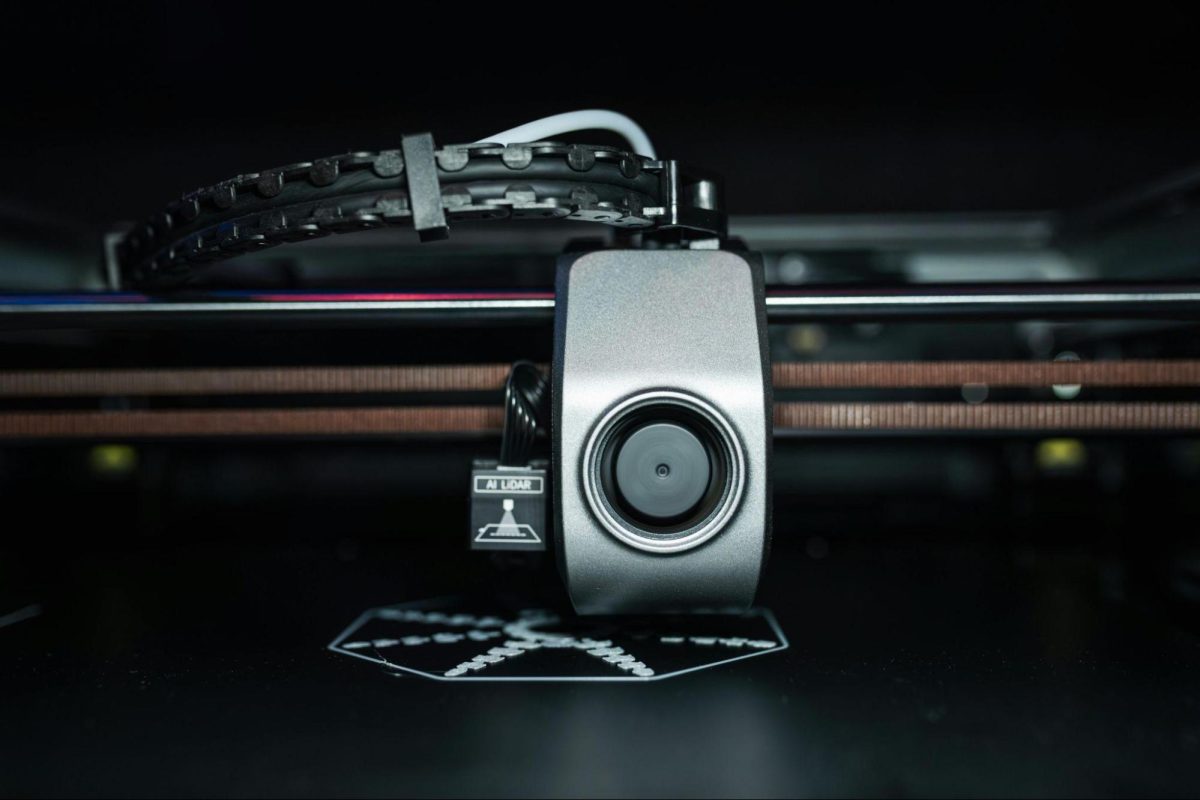
Both CNC machining and 3D printing offer unique benefits. CNC machining excels in precision and scalability, while 3D printing is ideal for rapid prototyping and complex geometries. CNC remains the preferred choice for applications demanding high accuracy and consistent quality.
Is CNC Machining a Cost-Effective Solution for Small Businesses?
For small businesses, CNC machining offers scalable, on-demand manufacturing. To maximize efficiency, small businesses can:
- Batch Small Orders: Produce multiple parts in one setup.
- Outsource CNC Services: Reduces capital expenses.
- Use Versatile Machines: Invest in machines that can handle various materials and designs.
What Are the Future Trends in CNC Machining?
Looking forward, CNC machining will continue evolving with automation, enhanced sustainability, and more affordable technology, making precision manufacturing accessible to a broader range of industries.
How Can Businesses Select the Best CNC Machining Service Provider?
When choosing a CNC machining provider, consider:
- Experience and Specialization: Expertise in your industry’s needs.
- Equipment and Technology: Modern, efficient machines.
- Quality Standards: Adherence to industry quality certifications and standards.
- Turnaround Time: Ability to meet project deadlines without compromising on quality.
Conclusion
CNC machining stands as a pillar in the advancement of precision manufacturing, providing US businesses with the tools to maintain a competitive edge in a globalized economy. Its ability to produce intricate parts with speed, accuracy, and cost-effectiveness has reshaped industries from aerospace to electronics, driving innovation and efficiency across the board. As CNC technology continues to evolve with the integration of AI, IoT, and sustainable practices, it opens up new possibilities, allowing companies of all sizes to achieve exceptional manufacturing results. Embracing CNC machining not only strengthens a company’s position today but also sets a solid foundation for the future of American manufacturing in a rapidly advancing technological landscape.