Solid Waste Management: A Crucial Environmental Responsibility
Introduction
Solid waste management is a critical aspect of environmental sustainability and public health. With increasing urbanization, industrialization, and population growth, the amount of waste generated worldwide has reached unprecedented levels. Effective solid waste management ensures that waste is collected, treated, and disposed of in an environmentally friendly and efficient manner, reducing pollution, conserving resources, and protecting ecosystems.
Understanding Solid Waste
Solid waste refers to any discarded material that is not liquid or gas. It includes a wide range of substances generated from residential, commercial, industrial, and agricultural activities. The main types of solid waste include:
- Municipal Solid Waste (MSW): Household and commercial waste, including food scraps, packaging materials, paper, and plastics.
- Industrial Waste: Byproducts of manufacturing and industrial processes, often containing hazardous materials.
- Biomedical Waste: Waste generated in healthcare facilities, such as used syringes, bandages, and expired medications.
- Electronic Waste (E-Waste): Discarded electronic devices like computers, smartphones, and batteries.
- Agricultural Waste: Organic waste from farming activities, including crop residues and animal manure.
Methods of Solid Waste Management
Several methods are used to manage solid waste effectively, each with its own environmental and economic implications.
1. Waste Reduction and Prevention
The most effective way to manage waste is to reduce its production. This can be achieved through sustainable consumption habits, eco-friendly packaging, and extended product lifespans.
2. Recycling and Reuse
Recycling involves processing used materials into new products, reducing the demand for raw resources and minimizing landfill waste. Commonly recycled materials include paper, glass, plastics, and metals. Reusing items, such as donating old clothes or repurposing furniture, also helps in waste reduction.
3. Composting
Composting is a natural process that decomposes organic waste, such as food scraps and garden waste, into nutrient-rich soil. This method not only reduces waste but also supports sustainable agriculture by enhancing soil quality.
4. Landfilling
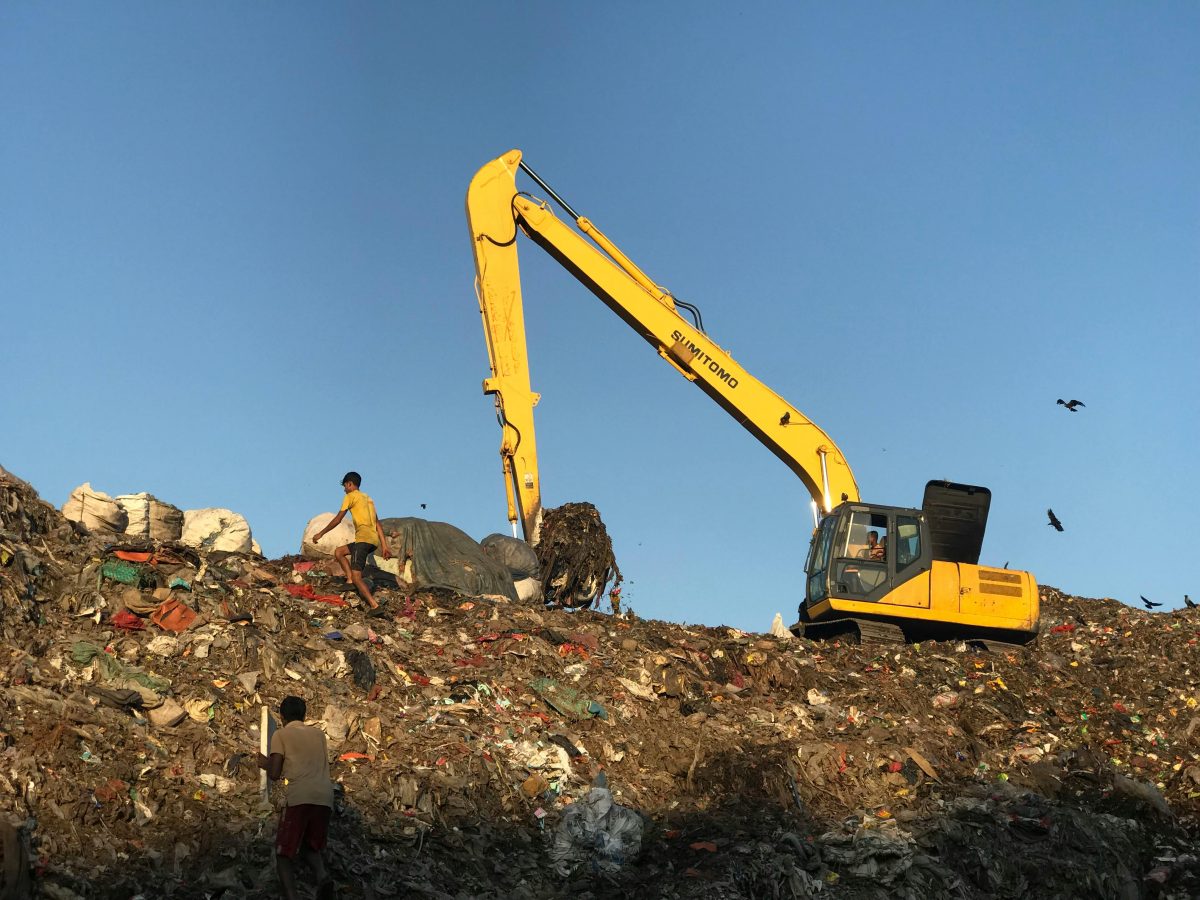
Landfills are designated sites for waste disposal, where waste is buried and managed to minimize environmental hazards. Modern landfills are engineered with protective liners and gas collection systems to reduce leachate and methane emissions.
5. Incineration
Incineration involves burning waste at high temperatures to generate energy. This method significantly reduces waste volume and can produce electricity, but it also raises concerns about air pollution and toxic ash disposal.
6. Waste-to-Energy (WTE) Technologies
Advanced technologies, such as anaerobic digestion and pyrolysis, convert waste into energy sources like biogas, reducing reliance on fossil fuels and decreasing landfill waste.
Challenges in Solid Waste Management
Despite advancements in waste management techniques, several challenges persist:
- Lack of Public Awareness: Many people do not practice proper waste disposal, leading to littering and illegal dumping.
- Insufficient Infrastructure: Developing countries often struggle with inadequate waste collection and recycling facilities.
- High Costs: Implementing efficient waste management systems requires substantial financial investment.
- Environmental Pollution: Improper disposal methods contribute to air, water, and soil pollution.
- E-Waste Hazards: The rapid growth of electronic waste poses serious health risks due to toxic components like lead and mercury.
The Role of Governments and Communities
Governments play a crucial role in establishing policies, regulations, and incentives to promote sustainable waste management. This includes:
- Implementing strict waste disposal laws to ensure compliance.
- Encouraging recycling programs by providing accessible facilities and incentives.
- Investing in waste management infrastructure to improve collection, transportation, and treatment.
- Educating the public on responsible waste disposal and sustainability practices.
Communities and individuals also play a vital role in reducing waste through mindful consumption, proper segregation, and active participation in recycling and composting initiatives.
Conclusion
Solid waste management is an essential component of environmental conservation and public health. By adopting sustainable waste disposal methods, promoting recycling and reuse, and fostering community participation, we can significantly reduce environmental pollution and move towards a cleaner, healthier planet. The collective efforts of individuals, businesses, and governments are crucial in ensuring a sustainable future for generations to come.