Common Legal Challenges Involving Traffic Camera Tickets
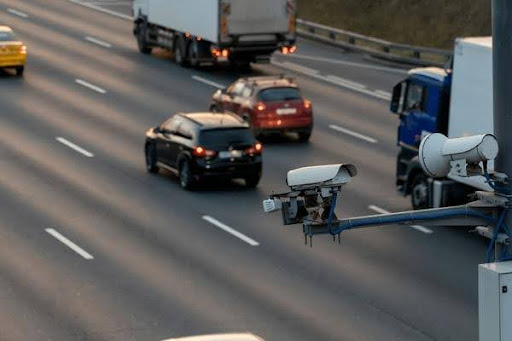
Technology is designed to make our roads safer, but when it begins replacing real-time judgment with rigid systems, problems can arise. Red light cameras are one such example.
Especially in states like Ohio, debates have grown louder around how these cameras operate. If you’ve ever received an Ohio red light camera citation and felt something wasn’t quite right, you’re not imagining it; many of these tickets have been legally disputed with success. Let’s take a closer look at the legal concerns drivers commonly raise.
- Faulty Camera or Bad Timing
One of the most common defenses is a technical error. Cameras can malfunction, and yellow light intervals can be shorter than legally required. If a light changes too quickly, or if your vehicle was past the line when the signal turned red, you might have a case. It’s worth checking the timestamp, camera angle, and even whether the camera was recently calibrated.
- Missing or Inadequate Signage
Local laws often require clear warning signs indicating the presence of enforcement cameras. In Ohio, municipalities are required to place notice signs within 300 feet of an intersection and maintain at least 90% of them.
At the same time, the camera is operational, as stated in American Legal Publishing’s Code Library; if those signs were missing, hidden, or outdated at the time of your violation, that alone could invalidate the ticket.
- Registered Owner ≠ Responsible Driver
Red-light camera systems don’t know who’s driving; they just capture the car’s license plate and mail the ticket to the registered owner. That works most of the time, but not always fairly. If someone else was driving your vehicle when the violation occurred, you might be able to request a review. Courts in some states allow owners to explain the situation and submit proof, like workplace logs, surveillance footage, or car loan agreements. If the evidence checks out, the ticket could be reassigned or dismissed altogether.
- The Ticket Came Too Late
It’s hard to respond to something you barely remember. If a traffic camera ticket shows up long after the alleged violation, it puts you at a real disadvantage. You might not recall the moment or have access to any helpful records or witnesses.
Courts generally expect notices to be sent promptly. Some states even have specific timeframes in which a traffic camera ticket must be mailed. If yours didn’t show up on time or was misaddressed, you may have a valid argument for getting it tossed out.
- No On‑Scene Officer Verification
In Ohio, the law now says that red‑light cameras aren’t enough on their own; you need a real, live police officer on site.
So next time you’re questioning a notice, ask yourself, “Where was the officer when this happened?” If there wasn’t one in sight, that might be enough to challenge it.
- Safety or Just Another Revenue Stream?
Traffic cameras were introduced to make roads safer, but in some cases, they appear to be more focused on collecting fines than preventing accidents. In Chicago, for example, a policy adjustment that reduced yellow-light time by just a fraction resulted in 77,000 extra tickets and nearly $8 million in revenue from cameras initially designed for safety purposes.
It’s examples like these that raise fair doubts. If you’re questioning whether your ticket was about protecting drivers or padding city budgets, you’re not alone, and that suspicion could be worth exploring in court.
Final Thoughts
Behind every flash of a traffic camera is a person navigating their daily life. Sometimes mistakes happen, but when the system makes the mistake, you shouldn’t be the one paying for it. Knowing your rights makes all the difference.