How to Improve Your Kayaking Technique Quickly
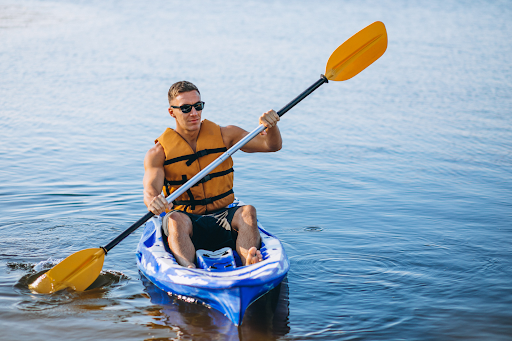
Kayaking is not about paddling but rather about combining strength, technique, and rhythm to move smoothly across water. Whether you’re seeking speed, learning river flow, or wishing to paddle farther with less exhaustion, refining your kayaking technique can help you gain immediate payback and long-term gratification.
The Shenandoah River is a famous place for kayaking. It is in Virginia, which is suitable for all kayakers, from beginners to advanced kayakers. If you are a beginner, the Shenandoah River kayak tour is the best option to practice and enjoy. If you are unsure how to do kayaking effectively, here are some of the tips to improve your kayaking technique.
Unlock Efficiency: It Begins With Your Core
Too many beginners, and even experienced paddlers, make the error of over-muscling each stroke with their arms. Your secret weapon is your core. Your torso is the engine of every effective stroke, whether you’re tackling ocean swells, gentle lakes, or exploring the breathtaking waterways on Shenandoah River tours.
Torso Rotation: Twist from your waist with each forward stroke so your shoulders and upper body power the paddle. This stroke not only boosts power but also saves energy, allowing you to paddle longer.
Quick Drill: Give the “mud drill” a try, where you stick your paddle blade in shallow mud on shore, then twist your torso to cause the kayak to rock back and forth. Pay attention to how your abs engage.
Master the Basics: Refine Your Forward Stroke
The forward stroke accounts for most of your kayaking, and mastering it will benefit you with speed and endurance. Whether you’re racing across open water or enjoying the steady flow of a Shenandoah River tour, mastering this stroke ensures you get the most efficiency from every paddle.
Reach Forward: Place the paddle close to your toes, not too far forward, by using your torso to wind up for power.
Anchor and Pull: Think of your blade as an anchor; you’re pulling your kayak ahead of the blade, not pushing water behind you.
Clean Exit: Finish each stroke at your hip. Sliding beyond the hip is turbulent and a waste of energy.
Smooth Rhythm: Regularity trumps strength. Create a smooth cadence, particularly when learning.
Try This: During your next paddling exercise, count strokes for one minute and then deliberately shorten your pull so the blade never extends beyond your hip. Compare your pace and fatigue to your usual stroke.
Balance and Edge: Control Your Kayak Like a Pro
Turning and maneuvering are crucial, especially on rivers or open water. Use these tips to improve quickly:
Paddle on Edge: Practice tilting (edging) your kayak while paddling. This makes your turns sharper and helps with balance, especially in currents or waves.
Sweep Strokes: For a big turn, sweep your paddle in a wide arc, from your toes out and around toward your stern.
Reverse and Rudder: Reverse strokes are perfect for sudden direction changes or a gradual halt. Pull your paddle as a rudder for small adjustments.
Interactive Edge Drill: In flat water, alternate edging left and right in your kayak. Paddle while holding each edge for ten seconds, noting the shift in balance and direction. A handful of focused exercises can send your paddling performance soaring. Evidence-based routines develop core strength, shoulder conditioning, and general strength:
Rotational Planks: Replicate the twisting motion of paddling. Hold a plank, twisting hips side to side. 3 sets of 10 repetitions on each side.
Russian Twists: Sit with feet raised off the floor, twist using a medicine ball or weight. 3 sets of 15–20 repetitions.
Single-Leg Squat and Row: Squat and row at the same time with a resistance band. This exercise works your hips, core, and shoulders, as all the muscles are involved in each stroke.
Squat & Press: Develop explosive power with dumbbell thrusters—3 sets of 10 reps.
Fine-Tune Your Kayak Setup
Before launching, make sure your kayak fits like a glove. Poor adjustment leads to strain and sloppy technique:
Seat: Sit upright always!
Footpegs: The balls of your feet should touch, with a slight knee bend and firm contact with the cockpit sides.
Paddle Grip: Knuckles aligned with the blade, hands just broader than shoulder-width.
Better kayaking is a process of small steps and keen attention. Each session, drill, or exercise moves you closer to easy flow, a more powerful stroke, and greater harmony with the water’s rhythm. Pick up your paddle, push yourself, and experience quick improvement. After all, the water awaits!