Flexible Seating Solutions for Every Venue: Exploring Aluminium Grandstands
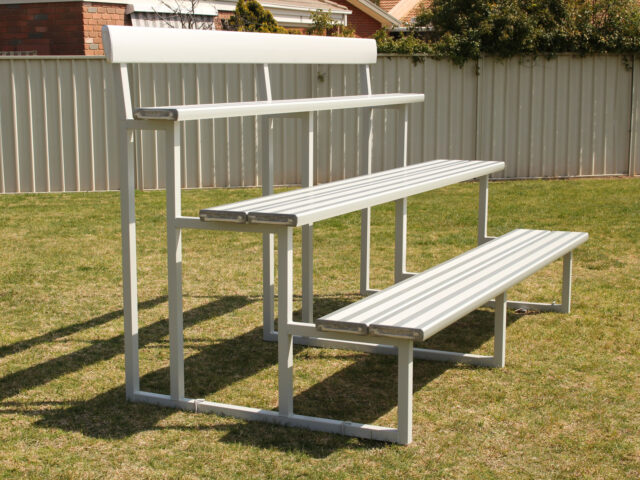
Aluminium grandstands are elevated spectator seating structures commonly seen in schools, community fields, parks, and stadiums. They are versatile and lightweight compared to other materials, offering both permanence and portability depending on need.
Their construction typically includes tiered rows of aluminum planking supported by sturdy frames, often designed with safety in mind, such as guardrails and accessible aisles.
Why Aluminium Stands Out
Aluminium grandstands are valued for several practical reasons. They are durable yet lightweight, making them easier to transport and install than steel or concrete alternatives.
They also resist corrosion and rust, which makes aluminium grandstands ideal for outdoor use in various weather conditions while keeping maintenance requirements low. Their adaptability stands out, too, as permanent models offer stability and tailored design, while semi-portable versions allow for reconfiguration across fields or event spaces.
Tailoring to Your Venue: Portable vs Permanent
Portable or semi-portable aluminium grandstands
Portable aluminum stands bring flexibility without sacrificing stability. They can be moved with equipment as event layouts change, giving great value for seasonal or multi-purpose venues. These are ideal for community sports clubs, schools, or event organisers who rotate venues or wish to adapt seating plans throughout the year.
Permanent aluminium grandstands
Permanent aluminium stands are suited for venues with consistent, high-capacity needs such as stadiums or showgrounds. Once installed, they offer maximum load capacity and can be fully customised to match venue layout, sight lines, and design aesthetics. The upfront installation cost may be higher, but it yields a polished long-term solution with tailored seating arrangements.
Pros and Cons of Aluminium Seating
Advantages
Lightweight and easy to handle, Aluminium is about one-third the density of steel, which simplifies transport and installation.
Excellent corrosion resistance. This means fewer upkeep demands over time, especially when placed outdoors.
Sustainable and recyclable Aluminium retains its strength even after repeated recycling, making it an eco-friendly choice.
Versatile design options. From simple portable units to complex tiered structures, aluminium allows for flexibility and customisation.
Disadvantages
Cost Aluminium can be more expensive upfront compared to concrete or steel alternatives.
Potential for dents. Aluminium is softer than steel and can dent under impact more easily.
Heat retention: Aluminium can absorb heat or cold rapidly, which may affect spectator comfort in extreme weather.
Ensuring Safety and Comfort
Whether portable or permanent, safety should always be a priority. Guardrails, handrails, and compliant riser and tread dimensions help reduce fall risks.
Adding accessible ramps or dedicated wheelchair spaces ensures inclusive seating arrangements. Structured maintenance, such as annual inspections and professional assessments, helps preserve safety and performance over time.
Choosing the Right Grandstand
When deciding on the right aluminium grandstand, start by considering your venue’s requirements. If you need adaptable, cost-efficient seating across varied settings, semi-portable aluminium grandstands are a strong choice.
If your venue hosts large events regularly and seating needs remain fixed, investing in a permanent, custom-designed solution may be more beneficial. Other factors to consider include installation logistics, local code requirements, and long-term maintenance expectations.
Conclusion
Aluminium grandstands offer a smart balance of flexibility, durability, and design versatility. Lightweight yet sturdy, corrosion-resistant, and recyclable, they cater to a variety of venues from local school grounds to established stadiums. By understanding the trade-offs—portable vs permanent, upfront cost vs flexibility—you can choose a seating solution that not only meets your needs but also stands the test of time.
Read more: Building An Outdoor Sporting Area: The Essentials You’ll Need