Fighting an Arson Charge: 6 Steps to Take
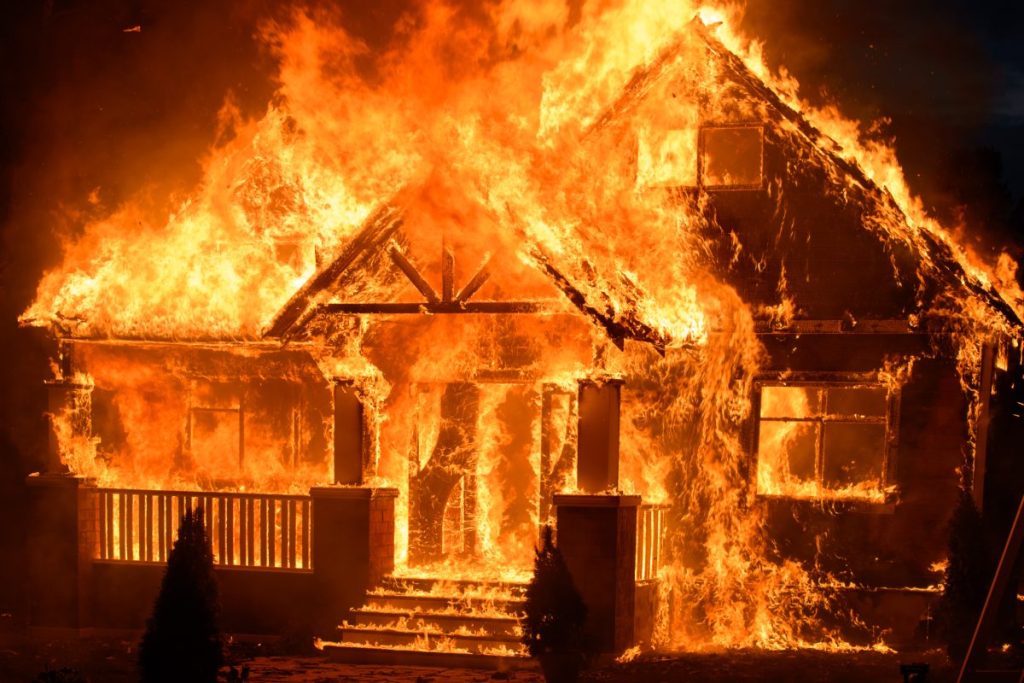
An arson charge is a serious criminal allegation that can significantly impact your life. It involves accusations of intentionally setting fire to property and carries severe penalties depending on the circumstances and damage caused.
While facing such charges may feel overwhelming, it’s important to understand that you have legal rights and options available. Acting quickly and making informed decisions will help ensure you receive fair treatment in court.
Here are six steps you should take when you find yourself in this situation:
Step 1: Make Sense of the Arson Charges
An arson case is a complex legal matter that goes beyond just a fire or explosion. It focuses on the specific details of the event, including intent, circumstances, and the extent of fire damage caused.
However, the classification of arson is not universal. It is defined by the specific laws of the state where the crime occurred. Most jurisdictions define arson based on these elements:
Malicious Intent
It involves a deliberate and malicious intent to set fire to or burn property. Prosecutors must prove that the fire was set willfully and intentionally. This often applies when a person intentionally sets fire to an occupied dwelling or a building where they knew people were present. This type of charge typically carries the harshest penalties, including lengthy prison time, especially if the fire results in injury or death.
Reckless Arson
This applies when an individual’s actions, while not malicious, are so careless or reckless that they create a high risk of a fire that causes property damage or endangers lives. Perhaps you started a campfire that spread uncontrollably due to negligence, or burned debris without proper precautions, leading to nearby structures catching fire. The specific laws and penalties for reckless arson vary greatly.
Less Serious Offenses
Depending on the jurisdiction, a fire that causes limited damage or is a result of an accident may fall under a lesser offense, or in some cases, might not be a criminal charge at all. For example, a negligent act that leads to a small, contained fire could be handled as a civil matter or a minor violation rather than a felony arson charge.
It is essential to consult a professional for legal advice and to understand the specific arson laws that apply to your situation and the charges you are facing.
Step 2: Hire an Experienced Criminal Defense Attorney

Arson cases carry serious consequences. Penalties can range from fines and probation for lesser offenses to lengthy prison sentences and substantial fines for more serious cases. This can get even more severe if someone dies as a result of the fire. Generally, the penalties you face will depend on your case’s specific circumstances and your jurisdiction’s arson laws.
Given the severity of these cases, working with an experienced criminal defense lawyer Flint residents trust or any other exceptional legal professional near you can go a long way. These attorneys know how to dissect the prosecution’s case in search of loopholes in the fire investigation and evidence issues, among other approaches, to help protect your rights during the trial.
Step 3: Gather Evidence
Work with your attorney to identify and preserve evidence that could help prove your innocence or cast doubt on the prosecution’s claims. However, it’s important that you don’t attempt to collect evidence from the fire scene yourself, as this could lead to additional charges like tampering with evidence or obstruction of justice.
Instead, provide your lawyer with any photos or videos you may have taken before the investigation began, along with receipts, emails, or messages that show where you were when the fire happened. Your attorney can then use proper legal channels to obtain additional evidence.
If there were witnesses around, provide their contact details to your attorney, who can handle formal witness interviews. Digital evidence, such as your phone location history or social media posts that place you elsewhere, should also be shared with your legal team.
Lastly, work with your lawyer to hire your own arson experts. Prosecutors typically rely on forensic science investigators’ reports to say where and how the fire started. Having your own qualified expert review these findings can identify potential errors, gaps, or alternative interpretations that could strengthen your defense.
Step 4: Establish an Alibi
An alibi is one of the powerful defense strategies, as it can show that you were physically elsewhere when the crime occurred. Any credible evidence of your whereabouts during the critical time can be used to challenge the prosecution’s timeline and cast doubt on their case against you.
So, if you’re at work that day, ask your boss for confirmation. If you’re at a friend’s house, have them write a statement. The stronger and more documented your alibi, the more powerful your defense becomes.
Step 5: Investigate Motive
Prosecutors will try to paint a picture of why you’d want to commit the crime, often building their case around findings from the arson investigation. One of the most common motives they pursue is insurance fraud. They might also claim you had a personal vendetta against the property owner or were seeking revenge.
If you can show that you had no motive, it can weaken their argument. Say you’re accused of burning down your own house. Showing that you were financially stable or had recently invested in improvements can counter claims of financial motivation.
Think about alternative motives, too, like anyone else who would have benefited from the fire, financially or otherwise, or whether there’s tension between neighbors.
Step 6: Explore Plea Bargains
Sometimes, going to trial isn’t the best option, especially if the evidence against you is strong or you want to avoid the uncertainty of a jury decision. In those cases, a plea bargain might make sense.
This is basically a deal. You agree to plead guilty to a lesser charge in exchange for reduced penalties. However, it’s important to understand that any guilty plea will create a permanent criminal record and may have other long-term consequences, such as impacts on employment, housing, or professional licenses. Talk this over carefully with your lawyer. If it’s not feasible, you can take the case to trial.
Final Thoughts
An arson charge may have significant repercussions. However, working with an experienced arson defense lawyer can ensure that you not only have your rights protected throughout the trial, but that you also get a fighting chance. If you’re in this situation today, reach out to a criminal defense attorney you can trust and bring them on board.