A Guide to Maintaining Your Home’s Condition
A well-maintained home provides safety, comfort, and long-term value. Whether you’ve recently purchased a property or lived in it for years, consistent upkeep prevents minor issues from becoming major expenses. From structural integrity to aesthetic details, each component plays a role in preserving your home’s condition. By following a structured maintenance routine and addressing problems early, homeowners can extend the lifespan of their property while maintaining a healthy, functional living environment.
Prioritizing Roof and Exterior Care
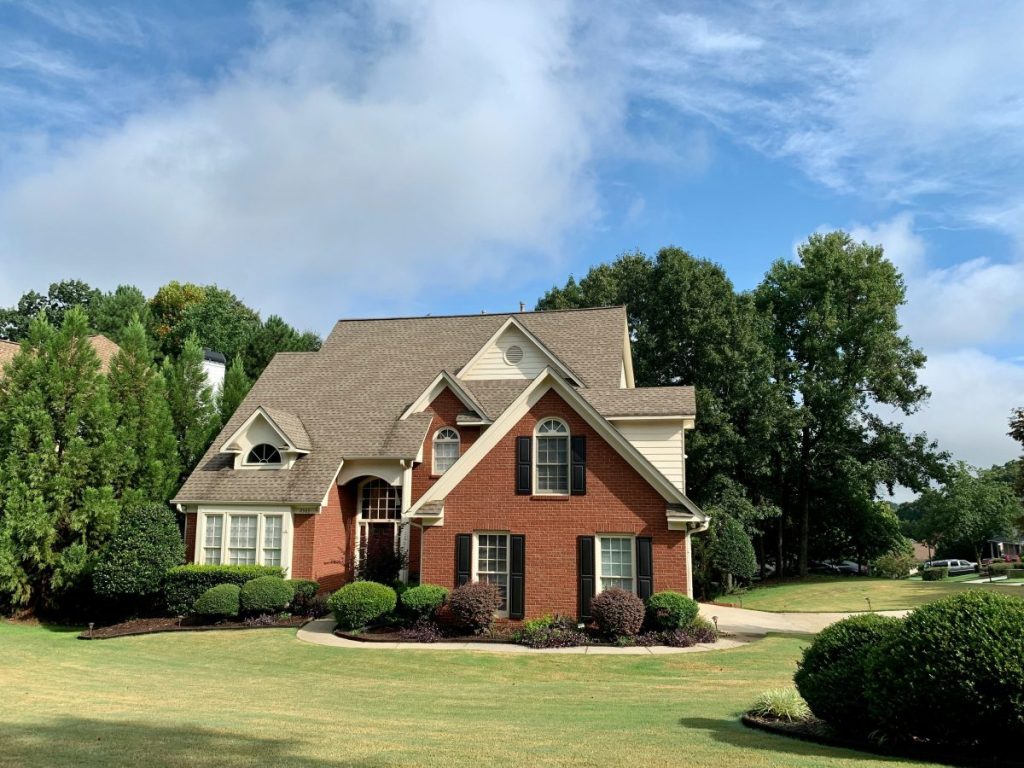
The exterior of a home is its first line of defense against weather, pests, and structural damage. Regular inspections and timely repairs are crucial for keeping these protective elements in top shape. The roof, in particular, requires close attention since it shields the entire home from water infiltration and temperature fluctuations.
Even small issues such as missing shingles, cracked flashing, or clogged gutters can lead to leaks that compromise insulation, walls, and foundations. Many homeowners choose to book a roof inspection at least once a year to identify and address potential issues before they escalate. Professional inspectors can spot problems that might not be visible from the ground, such as damaged underlayment or subtle sagging areas.
Regular cleaning of gutters and downspouts, sealing gaps in siding, and checking for signs of rot or pest damage are equally important. Investing time in exterior maintenance protects the structure and boosts curb appeal and property value.
Monitoring Plumbing and Water Systems
Water-related issues are among the most costly and disruptive problems a homeowner can face. Leaks, burst pipes, and poor drainage can damage floors, walls, and foundations if not caught early. Regularly inspecting visible pipes, checking for damp spots, and monitoring water pressure can help prevent surprises. Installing leak detectors near critical areas like water heaters and under sinks adds an extra layer of protection.
Plumbing maintenance includes paying attention to water quality. Mineral buildup from hard water can damage pipes and appliances, while hidden leaks can lead to mold growth that affects indoor air quality. Periodic servicing of water heaters, cleaning aerators, and inspecting sump pumps ensure that water systems function efficiently and safely throughout the year.
Caring for HVAC and Ventilation Systems
Heating, ventilation, and air conditioning systems play a vital role in maintaining indoor comfort and air quality. Neglecting them can lead to inefficiency, higher utility bills, and premature equipment failure. Regular filter changes, duct cleanings, and annual servicing by professionals keep these systems running smoothly. Clean filters improve airflow and reduce strain on equipment, extending its lifespan.
Ventilation matters just as much as temperature control. Proper airflow prevents humidity buildup, which can cause mold growth and structural damage. Homeowners should check vents and exhaust fans in kitchens, bathrooms, and laundry rooms to ensure they’re clear and functioning correctly. Scheduling seasonal tune-ups for heating and cooling units helps catch small issues before they turn into expensive repairs.
People often learn from Apollo Heating, Air, and Plumbing experts how optimized indoor air quality can drastically improve daily respiratory health and overall home comfort. By trusting these certified professionals for routine maintenance, you can extend the operational life of your HVAC systems while maximizing monthly energy savings.
Preserving Interior Finishes and Fixtures
While structural elements protect the home from external forces, interior finishes shape the living experience. Walls, floors, cabinetry, and fixtures require routine cleaning and inspection to maintain their appearance and integrity. Regularly repainting walls, refinishing wood floors, and sealing grout lines prevent deterioration and make spaces easier to clean.
Fixtures like faucets, light switches, and hardware should be checked for wear and tear. Replacing outdated or malfunctioning components improves both functionality and energy efficiency. Homeowners should pay attention to signs of moisture damage, such as peeling paint or soft spots in flooring, which can indicate underlying issues that need immediate attention.
Maintaining Landscaping and Drainage
Landscaping contributes to a property’s beauty, but it also plays a critical role in protecting the home. Overgrown trees and shrubs can damage siding, clog gutters, or interfere with power lines. Regular pruning keeps vegetation under control and prevents roots from compromising foundations or underground utilities. Lawns and gardens should be maintained with proper irrigation techniques that prevent water from pooling near the home’s perimeter.
Good drainage is crucial to avoid water damage. Downspouts should direct water away from the foundation, and grading should slope outward to encourage runoff. Regularly inspecting retaining walls, French drains, or other drainage systems ensures they function effectively during heavy rainfall. Thoughtful landscaping and drainage maintenance reduce the risk of structural damage and create a healthier outdoor environment.
Creating a Maintenance Schedule and Budget
Home maintenance can feel overwhelming without a clear plan. Creating a seasonal or annual maintenance schedule breaks tasks into manageable steps and ensures nothing is overlooked. Many homeowners use checklists to track activities like roof inspections, HVAC servicing, plumbing checks, and landscaping upkeep. Scheduling tasks at consistent intervals helps prevent last-minute emergencies and spreads costs throughout the year.
Budgeting for maintenance is just as important as scheduling. Setting aside a portion of income for regular upkeep prevents financial strain when unexpected repairs arise. Experts often recommend reserving one to three percent of a home’s value annually for maintenance costs. By planning ahead, homeowners can handle routine tasks and unforeseen issues without compromising their financial stability.
Photo by Michael Tuszynski
Maintaining a home requires consistent attention to both visible and hidden elements. By prioritizing exterior care, monitoring water systems, servicing HVAC units, preserving interiors, managing landscaping, and creating structured maintenance plans, homeowners can protect their investment and ensure a comfortable living space for years to come. A proactive approach prevents costly repairs, preserves property value, and supports a healthier, more enjoyable home environment.