7 Key Questions To Ask Before Considering Debt Restructuring
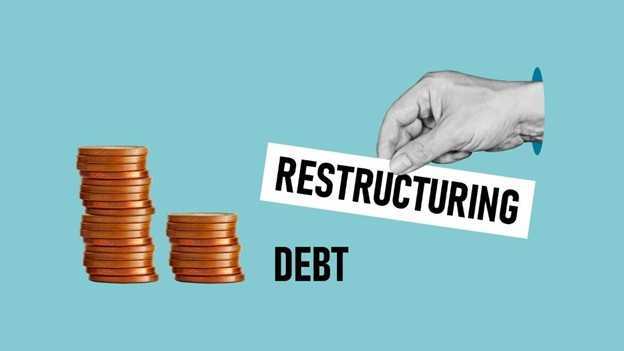
Debt restructuring often appears to be a simple fix, but the decision shapes more than payment terms. It affects stability, confidence, and how someone plans the next stage of their financial life.
Before making any choice, it helps to study what the situation truly needs. The points below offer the key questions to ask before considering any type of debt restructuring.
1. What Is Causing the Strain?
Financial pressure rarely appears without a pattern. Sometimes the issue comes from uneven income or slow customer payments. Spending may rise, or pricing may stall when sovereign debt trends affect broader financial conditions.
The cause may even come from habits that feel harmless. Many people delay reviewing their numbers when stress rises, which prevents clear decisions. Some people expect better cash flow even with past shortfalls and shifting credit card balances.
When rising bills or unstable income create pressure that feels unmanageable, many people wonder, ‘will debt reorganization ruin my credit score?‘. Debt restructuring may lower credit at first, and steady documentation supports growing financial stability. Borrowers who track credit scoring reactions gain clearer insight into early signs of financial distress.
2. Is the Problem Temporary or Ongoing?
Some situations improve once a short disruption passes. A late invoice, a contract delay, or a small emergency can strain debt obligations and cash flow for a month.
Long-term pressure looks different. When the same financial gap repeats each season or each billing cycle, the issue points to structure, not timing. Declining margins and slow inventory turnover can reflect sovereign debt pressure that shapes ongoing strain.
Debt restructuring may help in both cases, but debt reduction and the scale of change differ. A temporary problem needs a lighter adjustment. A deeper issue calls for structural repair that addresses the underlying pattern.
3. What Are the Non-Negotiables?
Every borrower has limits that protect daily function. Small businesses often protect needed equipment or credit lines as they prepare for debt negotiations. An individual may need to protect a vehicle used for work.
A useful step is to identify obligations that support income. These sit at the top of the priority list. Lower-value expenses may shift during restructuring when key financial obligations guide priority decisions.
Personal well-being matters here, too. A plan that drains energy or creates constant tension won’t hold. A borrower needs terms that support steady performance, not terms that drain it.
4. How Will the Decision Influence My Future?
Debt restructuring shapes more than the present moment. Lenders may ask for added reporting. Some agreements adjust insurance rules or restrict new credit under a long-term restructuring process, and bankruptcy laws can influence these conditions.
It helps to imagine your financial position a few years ahead. Picture how you want accounts, obligations, and cash flow to look. Consider whether restructuring supports your plans while guiding a debt repayment plan that fits your goals.
Not every borrower wants added oversight, but some appreciate the structure. Understanding this preference early prevents frustration later.
5. What Negotiation Paths Are Available?
Borrowers sometimes assume that creditors use one rigid system. In reality, many creditors study the borrower’s full picture, and creditor participation depends on how clearly that picture is presented. Strong records, steady communication, and solid planning help borrowers negotiate with a credit counseling agency.
Some lenders may consider seasonal payments. Others may respond to stronger budgeting controls or cleaner bookkeeping. Proven operational gains support fairer discussions and improve ongoing debt negotiations.
Debt restructuring works best when the borrower approaches the negotiation with reliable information. Lenders gain confidence when they see a borrower who knows their numbers and plans smartly.
6. What Changes Must Support the New Terms?
A new payment plan won’t hold unless supported by real adjustments. Planned adjustments may use pricing updates or billing changes that strengthen cash flow early in the process.
Individuals benefit from simple habits that bring clarity. Tracking spending more often helps identify unnecessary drift. A simple system for fixed and flexible expenses helps shape a restructuring process built on consistent habits.
It’s helpful to study strengths that haven’t been used fully. Some businesses have loyal clients who would accept a price correction. Some individuals hold skills that could create a modest income stream. Small improvements like these ease the load and strengthen any debt restructuring plan.

7. Does Restructuring Fit My Long-Term Direction?
A helpful method is to map two short forecasts. The first shows your path with restructuring. The second forecast shows your path with corrected habits shaped by recurring credit card use.
Compare the two side by side. Look for differences in stress levels, time demands, and overall resilience in each scenario, including how each path moves you closer to being debt free. Numbers matter, yet daily experience shapes financial stability during transitional periods.
Debt restructuring should support a healthier direction, not delay needed changes. The right choice feels steady, grounded, and aligned with the future you intend to build.
Conclusion
Debt restructuring works best when shaped by clarity, not urgency. Asking the right questions reveals patterns and guides choices that strengthen long-term stability.
Careful planning improves creditor communication and supports a clearer path forward. Strong planning relies on honest evaluation, and early guidance from a bankruptcy attorney may support decisions.