Why Homeowners Are Upgrading to Midea Air Conditioners
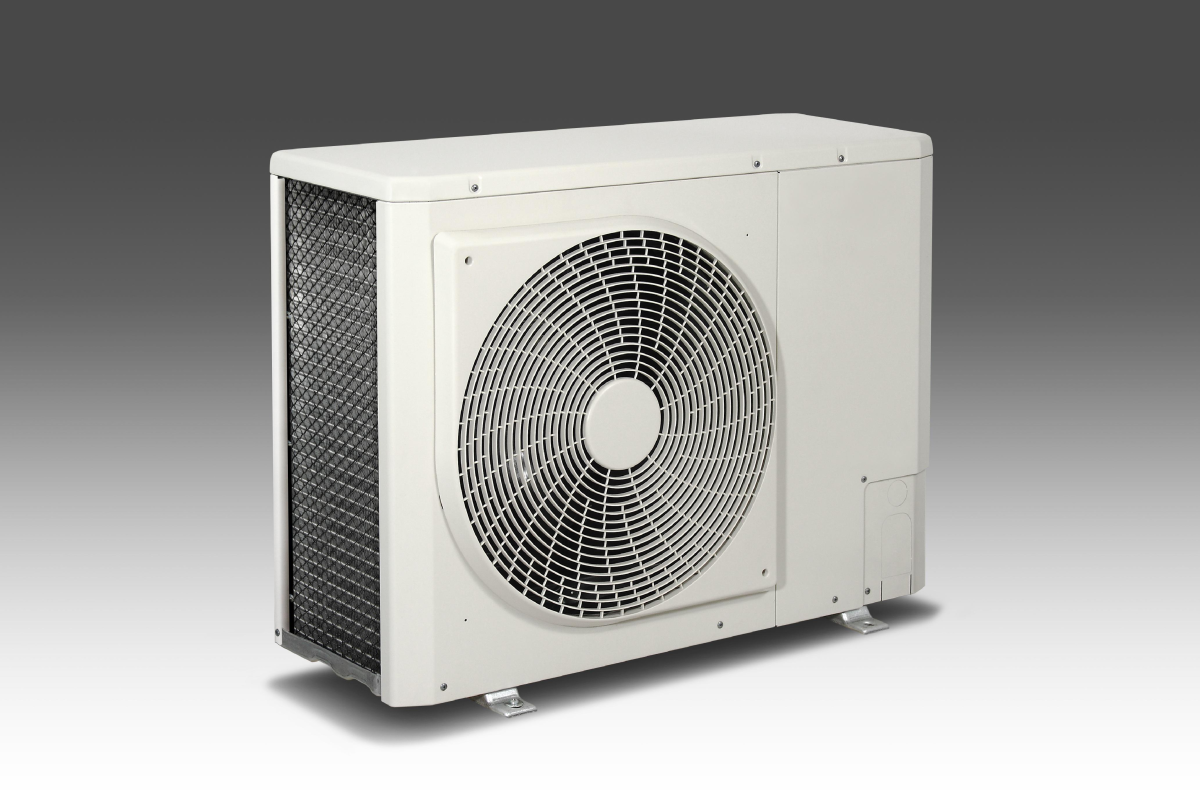
Home comfort often depends on how well your cooling system performs, especially in places where warm weather stays for much of the year. When temperatures rise indoors, productivity, sleep, and daily routines can quickly become uncomfortable. For many homeowners, this has led to a closer look at the type of air conditioner they rely on and whether it still meets their needs.
Cooling technology has improved significantly in recent years. Newer systems focus on practical performance, greater convenience, and dependable operation that fits modern households. Instead of settling for outdated equipment, many homeowners now look for solutions that better match their expectations for comfort and efficiency.
Because of these shifts, more households are upgrading to air conditioners from Midea. Read on to see why homeowners are making the switch and what makes these systems an appealing choice for modern homes.
Reliable Cooling at a Competitive Price
Cost plays a major role when choosing a cooling system for your home. Many homeowners want dependable performance that fits their budget without sacrificing comfort.
For buyers weighing cost and performance, Midea air conditioners offer a practical cooling option. They provide steady comfort for daily home use.
To understand why many homeowners see strong value in these systems, the following factors stand out:
- Strong cooling capacity: Consistent temperature control depends on dependable cooling capacity, especially during periods of high outdoor heat. Midea systems are designed to distribute air evenly throughout a room, helping maintain stable indoor temperatures. This steady airflow allows the unit to cool living spaces effectively without frequent temperature swings that can make rooms uncomfortable.
- Flexible options across the product line: The brand offers a wide product line designed to suit different home layouts and installation preferences. Homeowners can choose compact window air conditioner models for individual rooms or explore ductless mini splits for homes that require targeted cooling in specific areas. This variety allows you to select a system that matches your room layout, cooling needs, and available space.
- Dependable performance for everyday use: Reliable operation matters for homeowners who rely on their cooling system during long warm seasons. Midea designs its air conditioners with durable components that support steady operation across daily use. This focus on durability helps homeowners maintain comfortable indoor conditions while reducing concerns about frequent repairs or early equipment replacement.
These qualities make Midea a practical choice for homeowners who want reliable cooling at a reasonable cost.

Energy Efficiency That Lowers Utility Bills
Electricity costs influence many decisions about home cooling systems. Homeowners often look for equipment that maintains comfort while using less power. Many modern Midea systems address this need with designs that support long-term energy saving performance.
Below are several efficiency features that help reduce cooling expenses:
- Inverter compressor technology for consistent energy use: Inverter-driven compressors adjust their speed according to the room’s cooling demand instead of constantly turning on and off. This steady operation limits wasted electricity during temperature adjustments. As a result, homeowners often see noticeable cooling energy savings during long cooling periods because the system runs more efficiently throughout the day.
- Efficiency standards that support lower consumption: Many models meet recognized performance certifications such as Energy Star, which indicate strong efficiency performance compared with standard systems. These ratings also reflect improved seasonal energy efficiency, meaning the unit maintains effective cooling performance while reducing electricity use across different weather conditions.
- Operational modes designed for reduced power use: Several systems include dedicated eco settings designed to regulate cooling output when full power is unnecessary. These adjustments help control electricity usage during lighter cooling periods while maintaining indoor comfort. In some systems that include heat pump functions, similar efficiency features can support heating energy savings during cooler months.
These efficiency improvements help homeowners maintain comfortable indoor temperatures while keeping long-term energy costs more manageable.
Smart Features for Convenient Home Climate Control
Home climate systems now include digital tools that simplify everyday temperature control. Many modern units connect with mobile technology, allowing homeowners to adjust settings without needing to be physically near the system. This added flexibility helps homeowners stay cool while giving them more control over how and when cooling operates.
For example, mobile app connectivity allows temperature adjustments from almost anywhere. You can turn on cooling before arriving home, change the temperature while in another room, or switch off the unit if it was left running. This remote access helps homeowners manage indoor conditions more easily throughout the day.
In addition, programmable scheduling features allow cooling to match daily routines. The system can automatically increase cooling during warmer afternoon hours and reduce output late at night. These automated schedules help maintain consistent indoor comfort without requiring constant manual adjustments.
Quiet Performance for a More Comfortable Living Space
Noise levels often shape how comfortable a cooling system feels throughout the day. Older air conditioners frequently produce humming, rattling, or vibration that can interrupt sleep or quiet activities at home. Modern Midea systems reduce these disruptions through improved mechanical design and better airflow control.
For instance, newer compressor systems operate with smoother internal motion. This design reduces vibration during operation, which helps limit the mechanical noise often heard in older units. As a result, cooling cycles remain less noticeable even during extended use.
Moreover, fan design plays a major role in controlling sound levels. Carefully shaped blades move air more smoothly through the unit while limiting turbulence that typically causes extra noise. This balanced airflow supports consistent cooling without creating distracting background sounds.
Final Thoughts
Upgrading a cooling system often comes down to finding equipment that aligns with how modern households live and manage comfort. Homeowners increasingly prioritize systems that balance dependable operation, practical features, and long-term value. Midea air conditioners reflect this shift by offering solutions that support everyday comfort while adapting to changing expectations around efficiency, convenience, and indoor living conditions. As more households reassess older equipment, these systems continue to stand out as a sensible option for creating a cooler, more comfortable home environment throughout the warmer months.