Best Foods to Eat After a Tooth Extraction for Faster Healing

Your mouth feels tender, you’re not sure when to eat again, and conflicting advice from friends and family has left you wondering what’s actually safe. According to the American Dental Association’s 2024 guidelines, proper nutrition during the first 72 hours after extraction can reduce healing time by up to 30% — yet most patients receive only basic “eat soft foods” instructions without understanding why specific dietary choices matter.
As oral surgery techniques advance and same-day extractions become routine, the gap between optimal recovery and prolonged discomfort often comes down to what happens at home. Poor food choices can trigger dry socket, extend bleeding, or slow tissue regeneration in ways that turn a straightforward procedure into weeks of complications. For anyone facing the critical first days after an extraction — whether it’s a simple tooth removal or surgical wisdom tooth extraction — understanding how nutrition directly influences healing can mean the difference between smooth recovery and unnecessary setbacks.
How Nutrition Influences Tooth Extraction Recovery
Your body treats tooth extraction like any wound — it immediately begins mobilizing nutrients to rebuild damaged tissue and fight potential infection. The extraction site requires specific building blocks for blood clot formation, collagen synthesis, and new tissue growth, making your dietary choices during the first week fundamentally different from normal eating.
Protein becomes your primary healing currency. Your body needs amino acids to manufacture new tissue and repair the extraction socket. Within hours of surgery, specialized cells called fibroblasts begin producing collagen fibers to form the foundation for new gum tissue. Without adequate protein intake, this process slows dramatically, leaving the extraction site vulnerable to breakdown and infection.
Vitamin C and zinc act as healing accelerators. Vitamin C is essential for collagen production — the protein that gives your gums structure and strength. Meanwhile, zinc supports immune function and tissue repair at the cellular level. Research from the Journal of Oral and Maxillofacial Surgery shows that patients with optimal levels of both nutrients experience 40% faster socket healing compared to those with deficiencies.
Consider someone who underwent wisdom tooth extraction on a Friday and spent the weekend eating only ice cream and avoiding solid foods entirely. By Monday, their healing has stalled because their body lacks the raw materials for repair. Compare this to someone who chose protein-rich smoothies, soft eggs, and nutrient-dense soups — their extraction site shows clear signs of healthy tissue formation within 48 hours.
Hydration plays an equally critical role. Adequate fluid intake maintains blood flow to the healing area and helps transport nutrients where they’re needed most. Dehydration thickens blood, making it harder for your body to form the protective clot that shields the extraction site. This sets the stage for exploring which specific foods deliver these healing benefits most effectively.
Which Soft Foods and Fluids Are Best After Tooth Extraction
Recommended Soft Foods That Promote Healing
Greek yogurt tops the list for multiple reasons. Its high protein content provides essential amino acids for tissue repair, while probiotics support immune function during recovery. The cool temperature offers natural pain relief, and its smooth texture won’t disrupt the blood clot. Choose plain varieties to avoid added sugars that can feed harmful bacteria around the extraction site.
Scrambled eggs deliver complete protein in an easily digestible form. Cook them soft and avoid any crispy edges that might irritate the healing area. For patients managing post-extraction with comprehensive dental surgery care options, eggs provide sustained energy without requiring significant chewing effort.
Pureed soups offer both nutrition and comfort. Chicken or bone broth provides protein and minerals, while pureed vegetables add vitamins and antioxidants. Keep soups lukewarm rather than hot to prevent increased bleeding. Butternut squash, sweet potato, and carrot soups work particularly well because they’re naturally smooth and nutrient-dense.
Smoothies allow you to pack multiple healing nutrients into one meal. Blend protein powder, spinach, berries, and Greek yogurt for a combination that delivers protein, antioxidants, and vitamins. Avoid using straws — the suction can dislodge your blood clot. Instead, drink directly from a cup or use a spoon.
Optimal Fluids to Maintain Hydration and Comfort
Water remains your primary fluid choice throughout recovery. Room temperature water feels most comfortable against sensitive tissues and maintains proper hydration without any additives that might interfere with healing. Aim for consistent small sips rather than large gulps, which can create unwanted pressure in your mouth.
Herbal teas provide gentle comfort with healing benefits. Chamomile tea offers mild anti-inflammatory properties, while ginger tea can help settle any nausea from pain medications. Brew teas weak and let them cool to lukewarm before drinking. Avoid caffeinated varieties that might interfere with sleep during your recovery period.
Bone broth serves double duty as both nutrition and hydration. Its collagen content directly supports tissue repair, while minerals like calcium and phosphorus aid in healing. Sip it slowly while warm but not hot. Many patients find that bone broth feels soothing against the extraction site while providing substantial nutritional value.
Understanding what promotes healing naturally leads to recognizing what can undermine your recovery progress.
Foods and Habits to Avoid During Tooth Extraction Recovery
Dietary Choices That Can Slow Healing or Cause Dry Socket
Hard and crunchy foods pose obvious risks to your extraction site. Chips, nuts, crackers, and raw vegetables can lodge in the socket or physically disrupt the protective blood clot. Even small fragments can trigger infection or delay healing by creating irritation where new tissue is trying to form.
Spicy foods increase inflammation and discomfort. Capsaicin in hot peppers and strong spices can cause burning sensations in sensitive tissues and potentially increase bleeding. What feels like mild spice normally can become intensely painful when it contacts an extraction site.
The dairy controversy deserves clarification. While some sources suggest avoiding all dairy, the real concern is texture and temperature, not the dairy itself. Cold yogurt and soft cheeses are generally fine, but avoid chunks, curds, or anything that requires significant chewing. The key is choosing dairy products that support rather than challenge your healing process.
Sugary foods and drinks feed harmful bacteria. Cookies, candy, and sugary beverages create an environment where bacteria thrive around your extraction site. This increases infection risk and can slow the healing process. Natural sugars from fruit smoothies are acceptable in moderation, but avoid processed sweets entirely during the first week.
Behaviors and Foods That Increase Infection or Bleeding Risk
Alcohol interferes with healing on multiple levels. It dehydrates your body, thins your blood, and can interact dangerously with pain medications. Even one drink can disrupt the delicate healing process and increase your risk of complications. Most oral surgeons recommend avoiding alcohol completely for at least 72 hours, and longer if you’re taking prescription pain relievers.
Using straws creates dangerous suction that can dislodge your blood clot. This protective clot is essential for proper healing — losing it leads to dry socket, a painful condition that requires additional treatment. The suction from straws, aggressive rinsing, or even forceful spitting can pull the clot away from the extraction site.
Smoking represents the single greatest threat to extraction healing. Nicotine reduces blood flow to the healing area, while the physical act of smoking creates suction and introduces toxins directly to the wound. Research shows that smokers experience dry socket at rates five times higher than non-smokers. If you smoke, this recovery period offers an excellent opportunity to quit or at least pause until healing is complete.
These dietary restrictions work hand-in-hand with proper nutrition to manage pain and inflammation during recovery.
How Diet and Hydration Help Manage Pain and Swelling
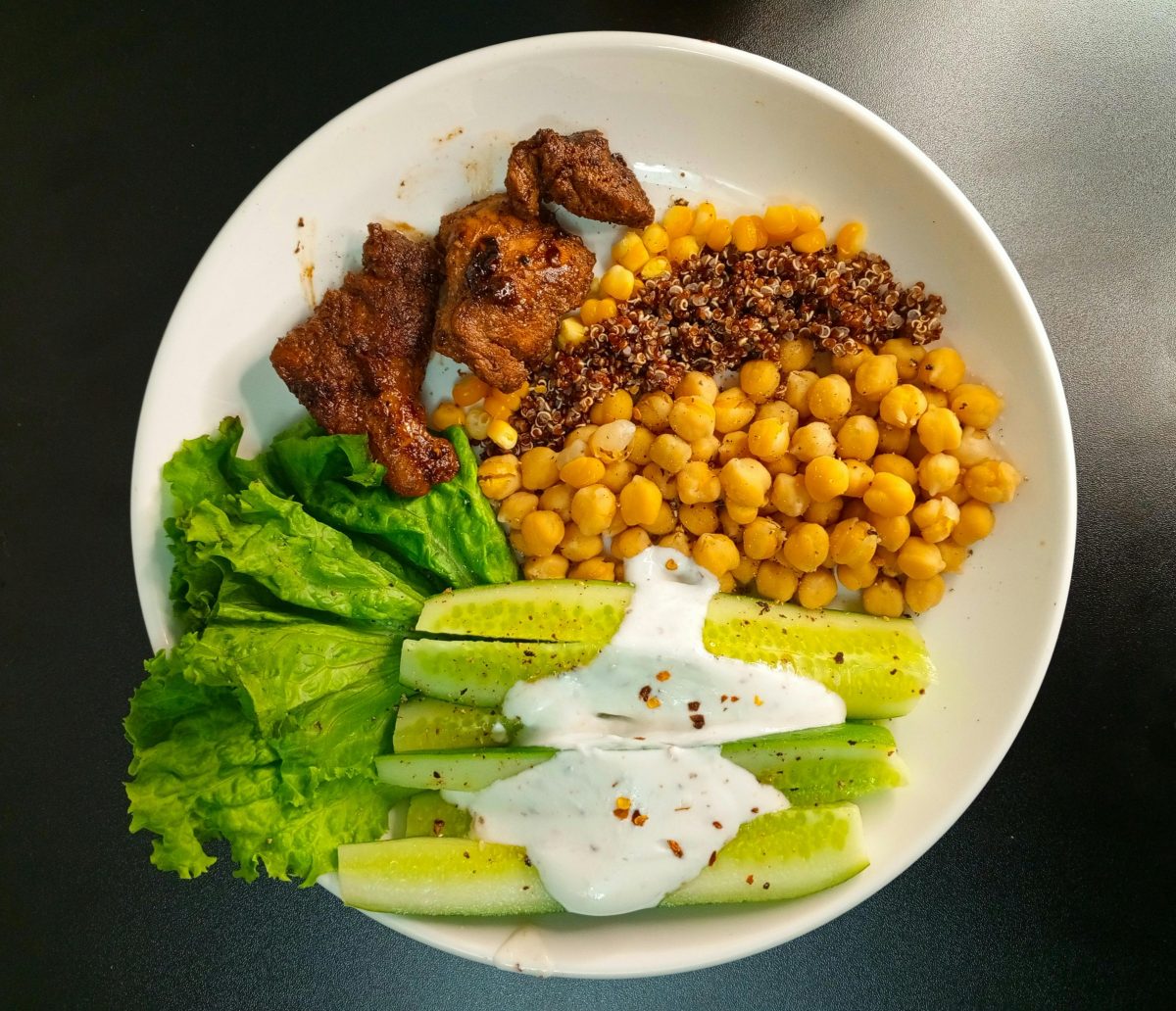
Your food choices can either amplify or reduce the discomfort following extraction. Anti-inflammatory foods work from the inside out, helping your body manage swelling and pain more effectively than relying solely on medications. This approach is particularly valuable for patients who prefer to minimize pharmaceutical pain relievers or experience side effects from them.
Cold foods provide immediate pain relief while delivering nutrition. The cooling effect naturally numbs sensitive tissues, offering the same benefits as ice packs but with added nutritional value. Cold Greek yogurt, chilled soups, and frozen fruit smoothies serve this dual purpose effectively. However, avoid anything so cold that it causes sharp pain — aim for refreshingly cool rather than ice-cold.
Anti-inflammatory foods actively reduce swelling at the cellular level. Berries contain anthocyanins, powerful compounds that help control inflammation. Leafy greens provide magnesium, which supports muscle relaxation and pain management. Fatty fish like salmon offers omega-3 fatty acids that naturally reduce inflammatory responses throughout your body.
Proper hydration amplifies your body’s natural pain management systems. When you’re well-hydrated, your blood flows more efficiently, delivering pain-fighting compounds your body produces naturally while removing inflammatory waste products. Dehydration can intensify pain perception and slow the removal of substances that cause swelling.
Timing your eating can optimize comfort levels. Many patients find that consuming cool, soft foods about 30 minutes after taking pain medication provides the best combination of comfort and nutrition. This timing allows medications to take effect while the cooling properties of food provide additional relief.
Consider someone managing extraction pain who chooses room-temperature water and soft foods every few hours versus someone who goes long periods without eating or drinking, then tries to consume normal-temperature foods when pain is at its peak. The first approach maintains steady comfort levels, while the second creates cycles of increased discomfort.
Certain nutrients directly support your body’s pain management mechanisms. Magnesium helps relax muscles and reduce nerve sensitivity. B vitamins support healthy nerve function during the healing process. These nutrients work synergistically with any prescribed pain medications, potentially reducing the amount needed while supporting natural recovery processes.
When and How to Resume Normal Eating and Oral Care After Extraction
The transition back to normal eating follows a predictable timeline, but individual healing rates vary based on extraction complexity, overall health, and how well you’ve followed aftercare guidelines. Understanding this progression helps you make informed decisions about when to advance your diet safely.
Days 1-3 represent the critical protection phase. During this period, your blood clot is forming and stabilizing. Stick strictly to soft, cool foods and avoid any chewing near the extraction site. Your mouth may feel tender, but you should notice gradual improvement in comfort levels. If pain increases or you develop new symptoms, contact your oral surgeon immediately.
Days 4-7 mark the beginning of tissue formation. You can begin introducing slightly more substantial foods like soft pasta, mashed potatoes, and tender fish. Test each new food carefully — if it causes pain or feels like it might disturb the healing area, return to softer options for another day or two. Your extraction site should appear less red and swollen compared to the first few days.
Week 2 typically allows for normal eating with caution. Most simple extractions heal sufficiently by this point to handle regular foods, though you should still avoid extremely hard or sticky items around the extraction site. Surgical extractions or wisdom tooth removals may require longer healing periods before returning to completely normal eating.
Oral hygiene integration requires special attention throughout recovery. For the first 24 hours, avoid brushing near the extraction site entirely. After that, you can gently brush other areas while carefully avoiding the healing socket. Begin salt water rinses 24 hours after extraction — mix half a teaspoon of salt in warm water and gently swish without forceful rinsing motions.
Your recovery eating plan should evolve based on actual healing progress rather than rigid timelines. Pay attention to your body’s signals: if a food causes discomfort or seems to irritate the extraction site, wait a few more days before trying it again. Successful recovery means balancing nutrition needs with protection of the healing tissues, ultimately leading to complete healing without complications.
The key insight many patients miss is that extraction recovery isn’t just about avoiding problems — it’s about actively supporting your body’s remarkable ability to heal and regenerate tissue through thoughtful dietary choices that work with, rather than against, the natural healing process.